POSTEDITOR OFFICE

How can drones be used for crop monitoring?

drones

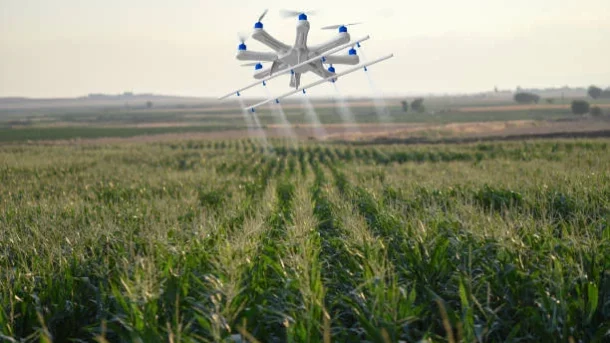
In crop monitoring, drones have proven to be an invaluable tool for giving farmers rapid access to accurate information about their farms. Drones are used in crop monitoring in the following ways:

Aerial imaging: Crop fields are captured in high-resolution by drones with cameras. By giving farmers a bird’s-eye view of the entire field, these photographs enable them to evaluate the health of their crops, spot anomalies, and spot patterns of variability. Crop stress, nutritional deficits, disease outbreaks, and insect infestations that may not be visible from the ground can be found via aerial imagery.

Vegetation indices: Drones can collect data to construct various vegetation indices, such as the Normalized Difference Vegetation Index (NDVI), by utilizing specialized cameras or sensors. These indexes offer numerical data on the health and vigor of plants. NDVI measurements show the density

Crop scouting: Drones with cameras or sensors can carry out focused reconnaissance missions to keep an eye on particular fields’ points of interest. A drone can be used to take precise pictures or thermal data, for instance, if a farmer fears a pest infestation in a particular area of the field. Drones can save farmers time and effort by promptly identifying agricultural problems and taking action.

Drones can be used to monitor agriculture fields for the first indications of disease or insect outbreaks. Drone can discover differences in plant health, find stress patterns, and locate infestation hotspots by taking high-resolution photos, thermal data, or multispectral data. This enables farmers to undertake timely pest control measures.
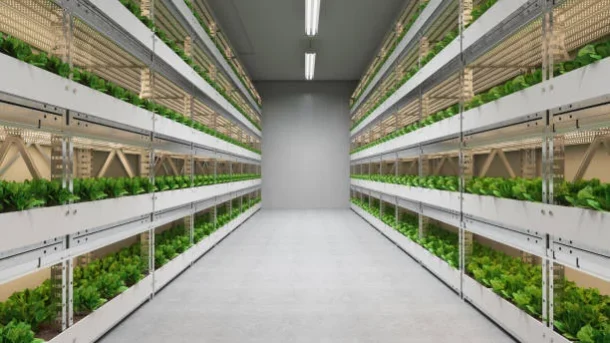
How does vertical farming conserve water compared to traditional agriculture?

How does vertical farming

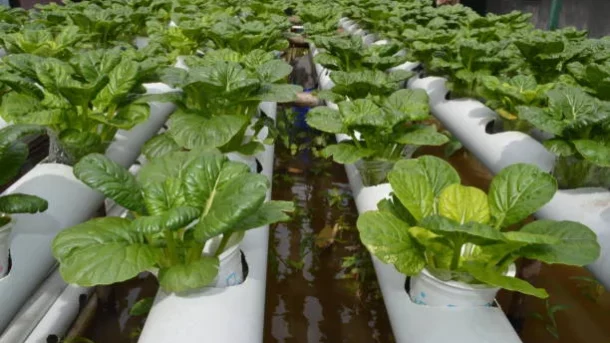
Reduced evaporation of irrigation water: In conventional agriculture, irrigation water is applied to the soil’s surface, where it is evaporated. Before the plants can absorb the water, this might result in severe water losses. Soilless growth methods like hydroponics and aeroponics are frequently employed in vertical farming. Direct water delivery to plant roots, reduction of evaporation losses, and efficient plant water uptake are all components of these techniques.

Water recirculation: Closed-loop irrigation systems, in which water is recycled inside the system, are frequently utilized in vertical farming systems. The plants receive nutrient-rich water, and any extra that is not absorbed by the roots is collected, filtered, and returned to the plants. When compared to conventional agriculture, this recirculating technology considerably reduces water use.

Watering that is exact and targeted: Water delivery can be managed with precision in vertical farming. Water can be applied in exact amounts and at specified times based on plant needs by employing sensors and automated systems. This method of targeted watering guarantees that plants get the ideal quantity of moisture needed for growth while minimizing water wastage.

Water-efficient growing mediums: Soilless growing mediums like rockwool, coco coir, or perlite are frequently used in vertical farming. These growing media offer high drainage capabilities and water-holding capacity, enabling for effective water use. They prevent waterlogging and provide a sufficient supply of oxygen to the roots by retaining moisture around the roots while also allowing excess water to flow.

What is vertical farming?

What is vertical farming

Vertical farming is a technique for growing plants in vertically stacked layers or structures, usually inside in places like warehouses, skyscrapers, or facilities made specifically for vertical farming. It entails using soilless growing media, artificial lighting, climate control, and other controlled environment agriculture (CEA) techniques to provide the best possible growing conditions for plants.

The following are some essential qualities and traits of vertical farming:

To make the most of the vertical space available, plants are cultivated in numerous stacked layers, frequently on shelves or racks. Compared to conventional horizontal farming techniques, this enables a substantially higher crop density.

Indoor farming: Vertical farming systems are frequently installed in climate-controlled indoor spaces that offer total control over variables like temperature, humidity, light intensity, and photoperiod. 

Artificial lighting systems, including light-emitting diodes (LEDs), are used in vertical farms to supply the appropriate light spectrum and intensity for photosynthesis because natural sunlight may be scarce in enclosed spaces. These lighting setups can be adjusted to a crop’s individual needs, encouraging optimum growth and development.

Hydroponics or aeroponics: Soilless growth methods like hydroponics or aeroponics are frequently used in vertical farming. While aeroponics involves suspending plant roots in the air and regularly spraying them with a nutrient solution, hydroponics includes growing plants in a nutrient-rich water solution. These techniques allow for accurate fertilizer delivery to the plants while also maximizing resource utilization and water efficiency.

 What are the key technologies used in precision agriculture?

precision

A variety of technologies are used in precision agriculture to collect information, make defensible judgments, and implement site-specific management techniques. Here are some crucial technologies that are frequently applied in precision agriculture:

Global Positioning System (GPS): GPS technology enables precise and accurate location tracking, allowing farmers to pinpoint the specific coordinates of their machinery, sensors, and crop monitoring equipment. GPS enables accurate mapping and geolocation data, which forms the basis for many precision agriculture applications.

Geographic Information System (GIS): GIS technology combines other agricultural data with spatial data, such as soil mapping, topography, and field borders. It enables site-specific decision-making and precision management techniques by enabling farmers to visualize, analyze, and manage data in a spatial context.

Using sensors on satellites, drones, or aircraft, remote sensing involves gathering information about crops and fields. Remote sensing techniques including thermal imaging, multispectral and hyperspectral imaging, and Light Detection and Ranging (LiDAR) can gather useful data on a variety of factors, including crop health, biomass, water stress, and nutrient content. Making targeted management decisions and spotting crop variability are both made easier by this data.

Drones, also known as unmanned aerial vehicles (UAVs) or drones, are being employed in precision agriculture more and more often. They can gather information on crop health, plant population, and other characteristics as well as high-resolution aerial photography. Monitoring crops, spotting anomalies, and evaluating field conditions may all be done effectively and economically with drones.

How does precision agriculture help increase crop yields?

agriculture

Site-specific management: Precision agriculture collects comprehensive data about particular fields using technology like GPS, sensors, and remote sensing. These details cover crop health, soil properties, moisture content, and nutrient levels. Farmers may apply inputs (such water, fertilizer, and pesticides) precisely where and when they are required, maximizing their use and reducing waste, with the help of this data. Farmers may ensure that crops grow in the best conditions possible, increasing yields, by adjusting inputs to the unique needs of various places within a field.

Application at a variable rate: Farmers using precision agriculture can alter the pace of inputs in different parts of their fields in response to variations in the soil and crop conditions. Instead of evenly dosing insecticides or fertilizers over.

Remote sensing and images: Cutting-edge tools like drones and satellite imagery give farmers up-to-the-minute details on the health, growth, and stress levels of their crops. Farmers can identify early indications of crop illnesses, nutrient deficits, or water stress by studying this data. Farmers can take immediate action to solve these problems, reducing yield losses and maximizing crop productivity, with fast intervention and focused management strategies.

Systems for making decisions: Precision agriculture uses sophisticated systems for making decisions that combine information from many sources, including crop models, soil moisture sensors, and weather forecasts. These systems give farmers useful information and suggestions so they may choose wisely when it comes to planning irrigation schedules, managing nutrients, controlling pests, and planting techniques. Farmers may improve their methods and reduce risks by depending on data-driven decision-making, ultimately.

Name a government program that aims to promote the cultivation of aromatic crops and essential oil extraction.

government

The “Aroma Mission” is one government initiative that seeks to encourage the growing of aromatic plants and the extraction of essential oils in India. The Government of India has established a program called the Aroma Mission with the goal of boosting the growing of fragrant crops including lavender, rose, lemongrass, vetiver, and other plants abundant in essential oils.

The following are the main objectives of the Aroma Mission:

Growing Aromatic Crops: The objective is to encourage the growth of aromatic crops by offering farmers technical advice, education, and financial help. To assure the production of high-quality aromatic crops, it promotes the adoption of sustainable farming techniques, including as organic farming.

Extraction of Essential Oils: By establishing essential oil extraction units and processing facilities, the Aroma Mission seeks to improve the extraction of essential oils from aromatic crops. This makes it easier to extract aromatic oils from plant matter, ensuring product value addition and improved marketability.

Research and Development: The mission promotes initiatives in the fields of essential oil extraction methods and aromatic crop research and development. This involves research on crop improvement, the creation of high-yielding cultivars, the improvement of extraction techniques, and the investigation of new opportunities and uses for aromatic oils.

Market Linkages and Promotion: The Aroma Mission helps farmers who grow aromatic crops and make essential oils connect with markets. It encourages the use of aromatic oils in a variety of fields, including aromatherapy, cosmetics, perfumery, and pharmaceuticals.

What is the main objective of the National Mission on Sustainable Livelihoods (NMSL)?

Livelihoods

It’s crucial to remember that several government initiatives, missions, and programs are frequently launched and revised to address the demands and difficulties associated with sustainable livelihoods. These programs frequently work to improve people’s quality of life through encouraging entrepreneurship, skill development, income production, and social welfare.

Referring to official government sources, pertinent ministries, or local development organizations would be advised in order to get the most latest information on any specific effort connected to sustainable livelihoods.

Which scheme provides financial assistance for the establishment of marketing infrastructure for organic products?

financial

The “National Program for Organic Production” (NPOP) is one program that offers financial support for the creation of a marketing infrastructure for organic products in India. NPOP is a government program run by the Ministry of Agriculture and Farmers Welfare that aims to support organic farming methods and the growth of the nation’s organic markets.

Financial support is given under the NPOP for a number of organic product marketing infrastructure-related components. The program seeks to aid in the development of effective and reliable marketing channels that guarantee fair prices, enhanced market accessibility, and enhanced market connections for organic farmers and producers.

The specific NPOP elements that support the organic product marketing infrastructure are as follows:

Development of Organic Value Chains: The program encourages the creation of organic value chains, which entail the construction of marketing infrastructure like collection points, processing units, cold storage facilities, grading and packaging facilities, and certification and quality control labs. The establishment and improvement of such facilities are encouraged through the provision of financial aid.

Development of Organic Markets: NPOP focuses on developing organic markets by offering assistance in opening organic stores, farmers’ markets, and retail establishments that are solely devoted to selling organic goods. To raise consumer knowledge and demand, financial aid is also provided for the advertising and branding of organic products.

Market Promotion and Linkages: In order to enhance direct marketing opportunities for organic farmers, the program promotes participation in organic trade shows, exhibitions, and buyer-seller gatherings. 

Certification and Traceability: NPOP offers financial support for organic certification procedures, covering certification fees as well as costs associated with adhering to organic standards. This ensures that organic products live up to the necessary criteria for quality and authenticity, boosting customer trust and commercial adoption.

What is the primary goal of the National Mission on Agricultural Extension and Technology (NMAET)?

Agricultural Extension

The National Mission on Agricultural Extension and Technology (NMAET)’s main objectives are to improve agricultural extension services in India and encourage farmers to adopt cutting-edge agricultural technologies. Through efficient extension and technology distribution, the objective is to increase agricultural productivity, increase farmers’ income, and ensure sustainable agricultural growth.

The National Mission on Agricultural Extension and Technology’s main goals are as follows:

Enhancing the quality and scope of extension services will help NMAET achieve its goal of strengthening the current agricultural extension system. Enhancing the knowledge and abilities of extension staff, creating efficient communication channels, and employing information and communication technology (ICT) are all necessary to make it easier for farmers to receive agricultural information.

Dissemination and acceptance of technology: The objective is to encourage farmers to adopt cutting-edge agricultural technologies and best practices. By easing the flow of technology and knowledge from research centers to the field, it seeks to close the knowledge gap between farmers and academic institutions. Promoting the use of enhanced seeds, effective irrigation methods, crop management practices, mechanization, post-harvest technologies, and other innovations that help raise agricultural productivity and sustainability are a few examples of this.

NMAET places a strong emphasis on training and capacity development programs for farmers in order to improve their knowledge and abilities in contemporary agricultural methods. These training courses cover a wide range of subjects, such as methods for crop production, management of soil and water quality, control of pests and diseases, farm mechanization, value addition, and marketing tactics.

Increasing farmer empowerment through Farmer Producer Organizations (FPOs): To increase farmer empowerment, increase their negotiating power, and promote collective decision-making, the mission supports the development and strengthening of Farmer Producer Organizations (FPOs). Farmers can access inputs, loans, technology, and markets through FPOs, which helps to improve their socioeconomic circumstances.

Name a scheme that aims to promote the cultivation of pulses and oilseeds in rainfed areas.

oilseeds

The “Pradhan Mantri Annadata Aay Sanrakshan Abhiyan” (PM-AASHA) is one program that tries to encourage the growing of pulses and oilseeds in rainfed areas of India. A government program called PM-AASHA was introduced in 2018 to support farmers’ prices for pulses and oilseeds grown in rainfed regions.

Price Support Scheme (PSS): As part of PM-AASHA, the PSS component intends to give farmers a minimum support price (MSP) for their goods. In the event that market prices drop below the MSP, the government steps in to buy the crops from the farmers at the MSP in order to guarantee that their products will be paid for fairly.

Price Deficiency Payment Scheme (PDPS): Under the PM-AASHA, this alternative mechanism pays farmers directly for the shortfall between the MSP and the real market price. This program gives farmers the freedom to sell their produce on the open market, and in the event that the market price is less than the MSP, they will be compensated with a price deficiency payment.

State governments and other private parties may buy pulses and oilseeds directly from farmers at the MSP thanks to the Private Procurement and Stockist Scheme (PPSS). This program intends to include private sector involvement in procurement, providing a vibrant and open market for agricultural products.

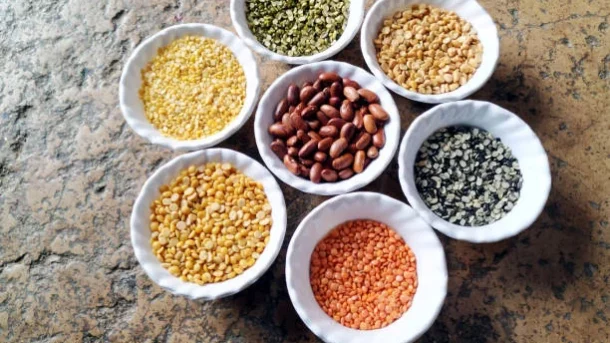
The PM-AASHA program primarily targets oilseeds (such peanut, mustard, and urad) and pulses (like gram, tur, moong, and urad).