POSTEDITOR OFFICE

What are the prospects for agricultural market development in Africa?

agricultural market

There are considerable chances for growth and change in the agricultural industry, which bodes well for the future of the African agricultural market. A large amount of arable land, a variety of climates, and a young, expanding population all contribute to Africa’s enormous agricultural potential. There are a number of variables that support the optimistic outlook for the future of the African agricultural market despite the continent’s numerous difficulties and quick changes, including:

Rising Demand for Food: It is anticipated that Africa’s population will continue to expand quickly, driving up demand for food and agricultural goods. Opportunities for increasing agricultural production and market expansion arise from meeting this growing need.

Urbanization and Changing Diets: As Africa’s population gets more urbanized, there is a rising demand for higher-value and processed agricultural products, which is changing dietary preferences. This change in consumption habits may encourage the diversification of the agriculturals market.

Foreign Investment and Partnerships: To expand their agricultural industries, African nations are enticing more foreign investment and establishing global partnerships. Advanced technologies, money, and knowledge can be introduced through foreign direct investment to increase agricultural output.

Government policies that are encouraging: A lot of African nations understand the value of agriculture for both economic growth and food security. Supportive measures including funding for rural infrastructure, agricultural extension services, and R&D can promote the expansion of the agricultural market.


How do food safety scandals impact consumer confidence in agricultural products?

food safety

Scandals involving food safety can have a major and long-lasting effect on consumers’ trust in agricultural products. These scandals include instances in which food products were tainted or adulterated, endangering the health of customers. When such occurrences take place, they undermine consumer confidence in the food supply chain and may influence their perceptions and behavior. The following list outlines some ways that food safety crises affect consumers’ trust in agricultural products:

Loss of Trust: Scandals around foods safety erode consumers’ faith in the reliability and safety of the agricultural products they buy. Customers can have doubts about the accuracy of food labeling, quality assurance, and regulatory monitoring.

A foods safety crisis may cause consumers to change their buying habits and steer clear of certain goods or brands that were linked to the incident. For producers who are impacted, this may result in decreased sales and financial losses.

Consumers may seek out items with certifications and labels that denote greater safety standards and quality assurance, such as organic, non-GMO, or particular food safety certifications, following a food safety scandal.

Impact on Brand Reputation: Companies involved in foods safety crises may suffer severe and long-lasting brand reputation damage. Consumer trust may require a lot of work and money to rebuild.

Reduced Consumption of Affected Products: When a food safety incident affects certain agricultural products, consumers may reduce or stop consuming them, which could diminish demand and cause market disruptions.

What are the challenges in implementing precision agriculture techniques in the market?

precision agriculture

There are a number of obstacles to implementing precision agricultural techniques in the market, and these obstacles might change based on the size of the farming operations, availability to technology, and regulatory environment. While there are many advantages to precision agriculture, such as enhanced productivity, less resource consumption, and higher yields, the following issues must be resolved for widespread adoption:

High Initial Investment: Hardware, software, and training are frequently required for precision agriculture systems. The initial cost can be a significant deterrent to adoption for small-scale farmers or people with low financial resources.

Data Management and Analysis: Satellite imaging, soil data, meteorological data, and crop performance measurements are just a few of the many types of data that precision agriculture creates. Farmers who might lack the appropriate knowledge or access to advanced data management technologies may find it difficult to handle and analyze this data properly.

Technology literacy: Many farmers, especially those who are older, may not be conversant with cutting-edge technologies or may only have limited access to help and training. For the successful installation and efficient use of precisions agriculture equipment, technology literacy is essential.

Precision agriculture entails gathering and keeping sensitive data on farming practices, which raises privacy and security concerns. Particularly if they are exchanging information with outside service providers, farmers may be worried about data privacy and the possibility of data breaches.

How does consumer behavior influence agricultural market trends?

consumer behavior

Consumer behavior, which defines what agricultural products are wanted, how they are consumed, and the factors that influence purchasing decisions, is crucial in shaping agricultural market trends. Consumer preferences, decisions, and shifting patterns of behavior can have a direct impact on market dynamics, supply chains for goods and services, and agricultural output. Agricultural market trends are influenced by consumer behavior in the following ways:

Demand for Particular goods: The demand for particular agricultural goods is influenced by consumer preferences. An increase in the demand for fruits, vegetables, and organic goods, for instance, could be a result of a preference for healthier eating.

Trends in dietary Choices: The demand for specific crops and agricultural goods can be affected by shifting dietary trends, such as plant-based diets or gluten-free options.

Consumers with greater purchasing power might be more inclined to pay more for specialized or niche agricultural products, such as organic or locally produced goods.

Environmental Concern: Increasing environmental concern may increase customer demand for sustainably produced agricultural goods and promote the use of environmentally friendly farming methods.

Health and Wellness: Consumer interest in one’s physical and mental well-being can affect the demand for certain nutritional qualities in food products, which in turn can affect agricultural production decisions.

Concerns about food safety: Food safety-related incidents can have a substantial effect on consumer demand and behavior, affecting particular agricultural sectors or areas.

What are the potential impacts of biotechnology on the agricultural market?

biotechnology

By providing new tools and procedures that improve agricultural production, sustainability, and product quality, biotechnology has the potential to have a large impact on the agricultural industry. The use of biotechnology in agriculture entails the genetic engineering and manipulation of livestock and crops to enhance desired qualities. A few potential effects of biotechnology on the agriculture market are listed below:

Increased Crop Yields: Genetically modified (GM) crops with better tolerance to pests, diseases, and unfavorable environmental conditions may be developed as a result of biotechnology. These crops have the potential to boost agricultural productivity overall and yield greater production levels.

Enhanced Pest and Disease Resistance: Plants can be genetically modified to incorporate features that give them a higher level of resistance to pests and diseases. As a result, farmers and the environment gain from a decrease in the demand for chemical pesticides.

Improved Crop Nutritional Content: By boosting the levels of vital vitamins and minerals in staple crops, for example, biotechnology can help combat hunger in disadvantaged communities.

Drought and Stress Tolerance: By using biotechnology’s, it is possible to create crops with enhanced resistance to drought and stress, enabling their production in marginal lands and areas with difficult environmental circumstances.

Reduced Environmental Impact: By lowering the need for chemical inputs, biotechnology can help create a more environmentally friendly agricultural system with fewer negative effects, such as less soil erosion and less pesticide use.

How does the fluctuation in oil prices affect the agricultural market?

oil prices

Due to the intimate ties between energy and agriculture, fluctuations in oil prices can have a considerable impact on the agricultural market. Changes in oil prices can affect production costs, transportation costs, and overall market dynamics because oil is a crucial component in agriculture. Here are a few ways that changes in the price of oil impact the agricultural market:

Costs of input: Oil, which is needed to power tractors, irrigation systems, and other machinery, is a key input in agriculture. Farmers’ production expenses increase as a result of rising oil prices, which may have an effect on their profitability and production choices.

Prices of fertilizers: The manufacture of synthetic fertilizers, which are extensively utilized in contemporary agriculture, requires a lot of energy and is reliant on oil and natural gas. Consequently, changes in the price of oil might have an impact on the price of fertilizer, which

Transporting agricultural goods from farms to markets and customers requires the use of trucks, ships, and airplanes, all of which run mostly on oil. Increased transportation expenses brought on by higher oil prices may be passed on to consumers as higher food prices.

Global commerce and Food Security: Changes in the price of oil can have an impact on the cost of international shipping and the commerce in agricultural products worldwide. Agricultural exports and imports may become less competitive as a result of rising transportation costs, which may have an impact on the availability and security of food in importing nations.

What is the significance of land tenure systems in agricultural markets?

land tenure systems

As they specify the rights and arrangements by which people or organizations can access, use, and control land resources for agricultural purposes, land tenure systems play a vital role in agricultural markets. Land tenure systems have a significant impact on farmers, investors, agricultural production, rural development, and overall food security. Their role in agricultural markets is varied. The following are some important facets of the importance of land tenure systems:

Incentive for Investment: Farmers have the confidence to invest in long-term improvements to their property, such as irrigation, soil conservation, and infrastructure development, thanks to secure and well defined land tenure rights. As a result, agricultural output is encouraged, and sustainable land management techniques are promoted.

Access to Credit and Financing: Farmers with secure land tenure can use their property as security to get credit and financing for equipment, agricultural supplies, and other investments. Credit availability can increase agricultural output and support rural development.

Land tenure security gives farmers a sense of stability and confidence in their farming endeavors. It promotes risk-taking and long-term planning, which boosts agricultural output.

Different land tenure systems, such as private ownership, community land, and leasing agreements, cater to various farming practices and cultural norms. Land Allocation and Tenure Diversity. The optimal use of land resources and equal access to land for various types of farmers are both guaranteed by proper land allocation.

How are emerging economies influencing the global agricultural market?

emerging economies

Emerging economies, usually referred to as developing or recently industrialized nations, are exerting more and more influence on the world agricultural market. Rapid economic expansion, growing wages, and shifting consuming habits in these economies have a considerable impact on the demand for, supply of, and trade in agricultural goods. Following are a few examples of how developing economies are affecting the world agriculture market:

Demand for Agricultural Products is Growing: As populations in emerging economies are growing and incomes are rising, there is a rapid increase in demand for food and agricultural products. Not only are fundamental food staples driving this demand, but also consumers’ increasing desire for more expensive and processed agricultural goods.

Consumers in emerging economies frequently vary their diets and want more meat, dairy, and processed foods as their wages rise. The demand for feed crops and animal products is impacted by this change in dietary habits, which has an impact on the world’s commodity markets.

Urbanization and Changing consumer Patterns: In growing economies, the process of urbanization causes changes in consumer habits. Urban customers have diverse dietary habits and are more prone to purchase imported items, processed foods, and convenience foods, which has an effect on supply chains and trade flows.

Investments in Agriculture: To improve food security and lessen reliance on imports, certain rising economies are boosting their investments in domestic agricultural output. By changing supply and demand dynamics, these investments may have an impact on international agricultural markets.

What are the key factors driving the demand for organic agricultural products?

organic agricultural

Recent years have seen a steady increase in the demand for organic agricultural goods, which is being fueled by a mix of consumer preferences, environmental concerns, health issues, and shifting market dynamics. The demand for organic products is rising as a result of several important factors, including:

Consumer awareness of the potential health dangers linked to synthetic chemicals and pesticides used in traditional agriculture is growing, raising questions about their safety and health. As they are produced without the use of synthetic pesticides, herbicides, and genetically modified organisms (GMOs), organic products are seen as safer and healthier.

Environmental Concerns: Customers are increasingly looking for organic goods due to worries about environmental sustainability and the effects of conventional agriculture on ecosystems, soil health, and water quality. Organic agricultural methods put an emphasis on preserving soil biodiversity and using fewer chemicals.

Food Quality and Nutritional Value: According to certain research, organic foods may contain more antioxidants and specific nutrients than foods cultivated conventionally. The belief that organic foods are of higher quality and nutritional worth may increase consumer demand for them.

Concerns regarding food safety have been raised by the use of antibiotics and growth hormones in conventional animal agriculture. These additives are not used in the production of organic animal products, such as organic meat and dairy, making them more appealing to consumers who are concerned about their health.

Natural and non-GMO foods are preferred by customers, therefore organic products are produced without the use of genetically modified organisms (GMOs), which is in line with their tastes.

How does the use of pesticides and herbicides affect agricultural market dynamics?

pesticides and herbicides

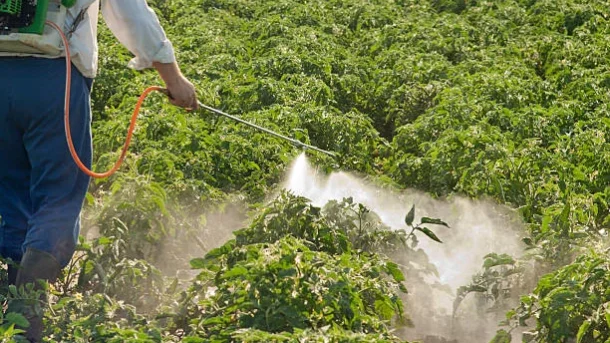
The dynamics of the agricultural market can be significantly impacted by the usage of pesticides and herbicides. While these pesticides are essential for boosting agricultural output by weeding and controlling pests, their use also has a number of market-related ramifications. The following are some ways that the usage of pesticides and herbicides impacts the dynamics of the agricultural market:

Higher Crop Yields: By helping to protect crops from pests and weeds, pesticides and herbicides can enhance crop yields and productivity. This production surplus has an impact on supply dynamics and market prices.

Price Stability: The use of pesticides and herbicides can help maintain prices in the agricultural market by decreasing crop losses brought on by weeds and pests. A consistent crop supply helps reduce price swings brought on by

Market Access and Export Possibilities: Agricultural products’ market access, particularly in international trade, can be improved through increased crop quality and decreased pest and weed contamination. Accessing international markets requires meeting strict quality standards.

Consumer Demand and Safety: Using pesticides and herbicide can cause consumers to worry about the safety of the food being produced. Growing customer preference for organic or pesticide-free goods could result from increased knowledge of pesticide residues, which would affect market demand.

Environmental Impact: Pesticides and herbicides can have harmful environmental effects, such as soil degradation, water pollution, and harm to organisms that aren’t their intended targets. Increasing consumer and market demand may be impacted by environmental challenges.