By providing new tools and procedures that improve agricultural production, sustainability, and product quality, biotechnology has the potential to have a large impact on the agricultural industry. The use of biotechnology in agriculture entails the genetic engineering and manipulation of livestock and crops to enhance desired qualities. A few potential effects of biotechnology on the agriculture market are listed below:
Increased Crop Yields: Genetically modified (GM) crops with better tolerance to pests, diseases, and unfavorable environmental conditions may be developed as a result of biotechnology. These crops have the potential to boost agricultural productivity overall and yield greater production levels.
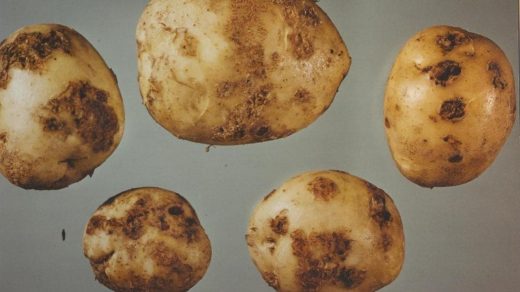
Enhanced Pest and Disease Resistance: Plants can be genetically modified to incorporate features that give them a higher level of resistance to pests and diseases. As a result, farmers and the environment gain from a decrease in the demand for chemical pesticides.
Improved Crop Nutritional Content: By boosting the levels of vital vitamins and minerals in staple crops, for example, biotechnology can help combat hunger in disadvantaged communities.
Drought and Stress Tolerance: By using biotechnology’s, it is possible to create crops with enhanced resistance to drought and stress, enabling their production in marginal lands and areas with difficult environmental circumstances.
Reduced Environmental Impact: By lowering the need for chemical inputs, biotechnology can help create a more environmentally friendly agricultural system with fewer negative effects, such as less soil erosion and less pesticide use.