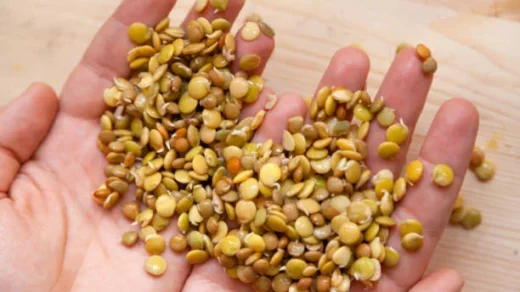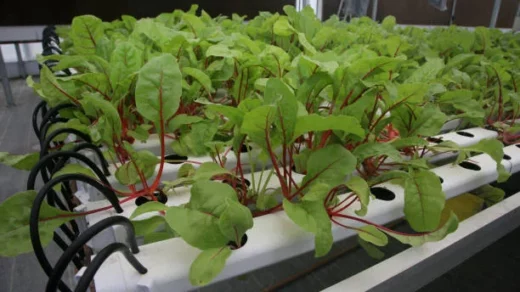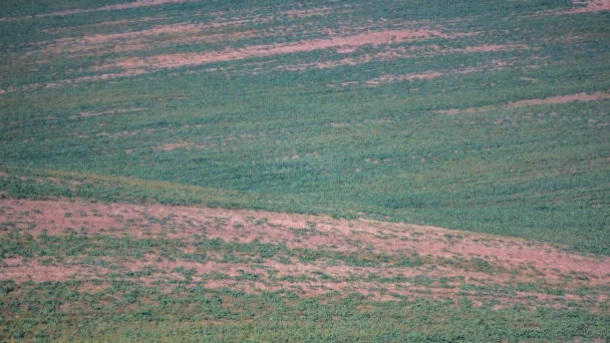
Genetic erosion: Traditional crop varieties frequently have a diverse genetic makeup, which is crucial for preserving the resilience, adaptation, and productivity of agricultural systems. There is a loss of distinctive genetic features and priceless genetic resources when traditional varieties are lost, whether as a result of being replaced with contemporary high-yielding varieties or traditional farming practices being abandoned. Agriculture becomes more susceptible to pests, illnesses, and shifting environmental circumstances as a result of this genetic erosion, which decreases the genetic variety pool available for crop improvement.
Reduced adaptability: In agriculture, biodiversity offers innate adaptability to environmental pressures including pests, diseases, drought, and climate change. Traditional crop varieties have changed over the years to accommodate certain regional requirements, such as varied climatic conditions, soil types, and pests.
Loss of cultural heritage: Local cultures and customs are frequently firmly ingrained in traditional crop varieties. They transport accumulated wisdom, legends, and customs from previous generations. Traditional crop varieties are disappearing, which reduces cultural variety and separates people from their agricultural roots. In addition to reducing traditional knowledge and practices related to crop management and consumption, this loss also has an impact on cultural identity.
Nutritional variety is lessened: Traditional crop types frequently have a wide range of nutritional qualities, such as varied flavors, colors, and nutritional profiles. The selection of diversified and nutrient-rich foods is reduced as a result of the loss of traditional types.