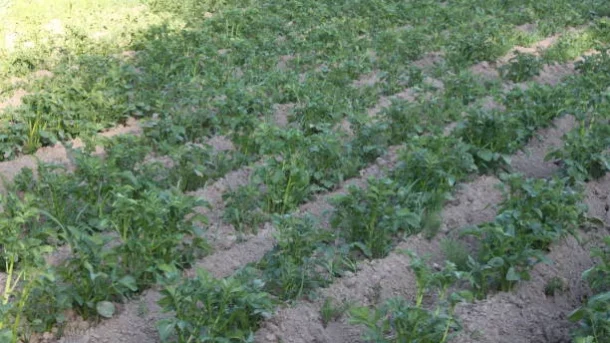
Plan your nutrient management strategies by regularly testing the soil to determine its pH and nutrient content. Create nutrient management strategies based on test results that take local laws, crop nutrient needs, and soil conditions into account. Soil testing reduces the possibility of overapplication and nutrient imbalances by ensuring focused and exact fertilizer application.
Site-Specific Nutrient Management: Take into account the differences in soil fertility between several fields or regions within a field. To pinpoint regions with various nutrient requirements, use precision agriculture techniques including remote sensing, yield mapping, and assessments of the electrical conductivity of the soil. This makes it possible to apply fertilizer specifically to a certain area, maximizing nutrient usage and reducing waste.
Apply fertilizers at the proper time to coincide with the crop’s nutrient uptake and to reduce nutrient losses. To match nutrient delivery with the plant’s growth stages, use split applications. Use effective application techniques to increase fertilizer effectiveness and minimize interaction with non-target areas, such as banding or targeted placement.
Consider utilizing controlled-release or slow-release fertilizers, which release nutrients gradually over an extended period of time. These fertilizers support the prevention of nutrient runoff, supply nutrients to plants when they require them, and lessen nutrient losses through leaching and volatilization.