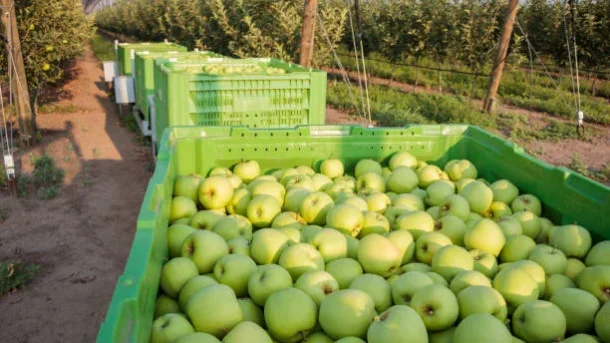
Poor handling techniques: Farmers and traders frequently adopt subpar handling techniques in the absence of suitable infrastructure, such as warehouses, sorting facilities, and transportation networks. Inadequate protection against physical damage and contamination, inappropriate loading and unloading, and rough handling are a few examples of this. These procedures can cause post-harvest losses since the produce will bruise, rot, and degrade.
Lack of storage space: Food losses may result from a lack of storage space in silos, cold storage facilities, and warehouses. Agriculture items that degrade quickly are more prone to pests, illnesses, and improper storage. Lack of temperature and humidity management can hasten the deterioration of stored product in areas with high temperatures and humidity.
Value addition and processing are limited; hence, post-harvest infrastructure is essential for these operations. The processing and preservation of agricultural goods are hampered by a lack of facilities, including processing plants, drying facilities, and packing facilities. This may restrict the potential to turn raw produce into value-added goods like processed foods, which have a greater market value and a longer shelf life. Without these resources, farmers could be forced to sell their harvest right away, which could result in losses if there is little market demand or if pricing are poor.
Systems of transportation that are insufficient: Timely and safe delivery of agricultural products from farms to markets or processing facilities depends on effective transportation.