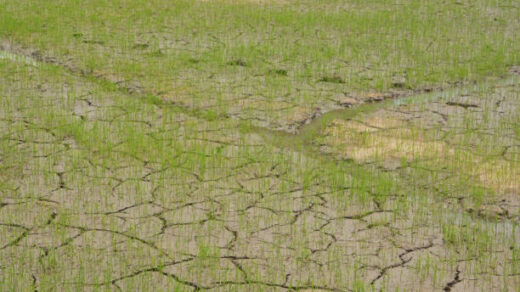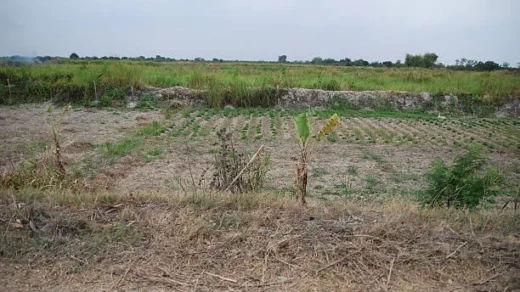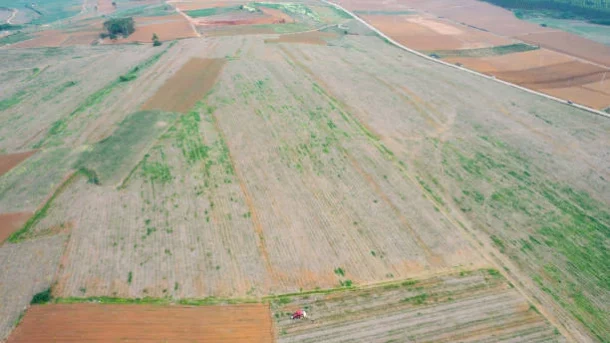
Agricultural fields may become fragmented or intermingled with non-agricultural activity in the absence of land-use planning and zoning regulations. Fertile farmland may be turned into residential, commercial, or industrial zones due to encroaching urbanization, industrialization, and infrastructure development. Farming operations are disrupted by fragmented agricultural landscapes, which also make it harder for farmers to transport their goods and face logistical difficulties.
Land-use planning and zoning regulations can aid in preventing soil erosion and loss on agricultural properties. In the absence of such rules, unsustainable land use practices, including deforestation, overgrazing, excessive pesticide use, and incorrect land management, can impair soil fertility, deteriorate soil quality, and jeopardize long-term agricultural output. Zoning regulations can assist in designating agricultural land for particular uses.
Resource competition: Land-use planning and zoning regulations are vital in controlling conflicting demands for resources and land. Conflicts between agricultural activities and other land uses, such residential, commercial, or industrial growth, may arise in the absence of these rules. Such rivalry may result in land fragmentation, the loss of arable land, and greater demand on water and other natural resources, which may result in unsustainable use and resource depletion.
Loss of biodiversity and ecosystem services: Agricultural lands are significant habitats for biodiversity and ecosystem services in addition to being productive places for food production. The conversion of environmentally significant regions, such as wetlands, woods, or grasslands, into agricultural lands or non-agricultural uses can happen in the absence of land-use planning and zoning rules.