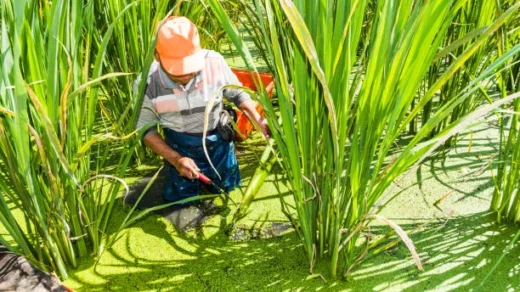
The agriculture industry is implementing a variety of actions to address the serious environmental problems of water contamination, nutrient runoff and fertilizer runoff. Here are some crucial strategies:
Best Management practices (BMPs): BMPs are rules and methods intended to lessen nutrient runoff and water pollution from agricultural activities. Precision nitrogen management, cover crops, conservation tillage, buffer strips, and the use of vegetative filters are some of these techniques. BMPs work to reduce nutrient runoff by minimizing the use of fertilizers and pesticides, reducing soil erosion, and improving water infiltration.
Planning for nutrient use: Planning for nutrient use includes determining the nutrients that crops will need and applying fertilizers in a targeted and effective way. Farmers should minimize the danger of extra nutrients seeping into water bodies by optimizing fertilizer application rates and timing while taking soil conditions, crop nutrient requirements, and nutrient cycling into account.
Setting up conservation and riparian buffer zones alongside water bodies aids in capturing and filtering nutrients before they reach streams and rivers. These vegetated regions serve as a buffer, preventing soil erosion, removing surplus nutrients, and encouraging water infiltration.