Crop Yields: Crop yields can vary as a result of climate variability, which includes changes in temperature and precipitation. The timing of planting, flowering, and harvesting can be messed up by inconsistent or unusual weather patterns, which can hinder crop development and lower yields. Extreme weather conditions including droughts, floods, heat waves, and storms can seriously harm crops and reduce yields.
Water Availability: The availability of water for agriculture is impacted by climate change. Water scarcity and drought situations can result from altered precipitation patterns and higher evaporation rates brought on by rising temperatures. Irrigation systems, crop water needs, and general water management practices are all impacted by decreased water availability. By using effective irrigation methods, water-saving strategies, and water-storage systems, farmers may need to adjust.
Outbreaks of pests and illnesses: In agricultural systems, climate variability affects the frequency and severity of pests and diseases. The life cycles, geographic distribution, and quantity of pests and disease vectors can all be impacted by changes in temperature and humidity patterns. Variations in the dynamics of pests and diseases can raise the danger of outbreaks, leading to crop losses and damage. According to shifting climatic conditions, farmers must keep an eye on and manage pests and illnesses.
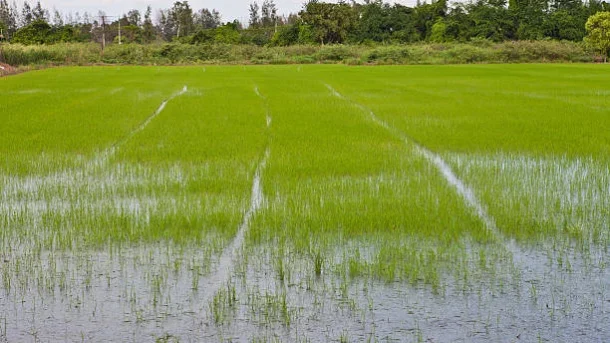
Extreme weather conditions, such as prolonged periods of heavy rain and storms, can result in soil erosion, which depletes nutrients and reduces soil fertility. Flooding can also cause waterlogging and soil saturation, which can harm roots and reduce their ability to absorb nutrients. Crop productivity is adversely affected by soil erosion and deterioration, necessitating soil conservation.