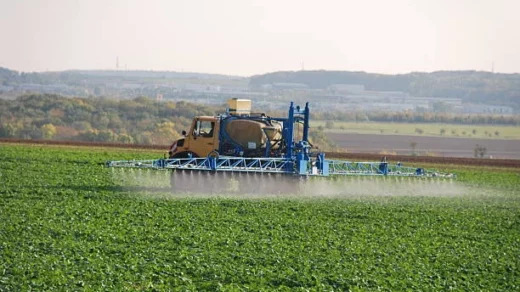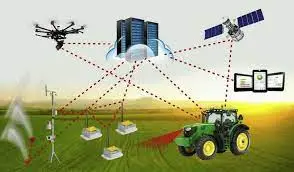
Field activities: For field activities like plough, till, plant, seed, spray and harvest, autonomous tractors and equipment are used. These cars have computer vision systems, sensors, and GPS technology, allowing them to function independently in the field. They are able to complete activities precisely and effectively, navigate around obstacles, and follow predetermined courses. Autonomous field operations enable round-the-clock farming, minimise the need for labour, and increase precision.
Crop monitoring and imaging: Unmanned aerial vehicles (UAVs) or drones are used to photograph and monitor crops from the air. They take high-resolution pictures and gather information on the health of the crop, its growth patterns, and any pest infestations. Farmers can take targeted action by using these photos and data to find fields with stress or unpredictability.
Farmers may gain the ability to more accurately spread fertilizer and herbicides, or apply what is necessary only to the crops that need it most, rather than all of them. Using a combination of GPS, sensors, and imaging, they would presumably have a better handle on how to deploy the robotic vehicles tilling the land.