Carbon and nitrogen are important chemical elements that are present in the organic matter. The ratio of mass of carbon to nitrogen is called C:N ratio. A C:N ratio of 10:1 means there are ten units of carbon (C) for each unit of nitrogen in the soil. This ratio plays an important role in the functioning of soil. C:N ratio helps in crop residue decomposition and crop nutrient cycling. Soils with a carbon-to-nitrogen (C:N) ratio of 24:1 have the optimum ratio for soil microorganism to stimulate release of nutrients like nitrogen , phosphorous and zinc to the crops. It is very important to understand C:N ratio while planting cash crops and cover crops. C:N important in composting because microbes need a good balance of carbon and nitrogen to stay active. High C:N ratio results in long duration for composting and enhanced nitrogen loss happens due to low C:N ratio.
Soil
What is No-till farming?
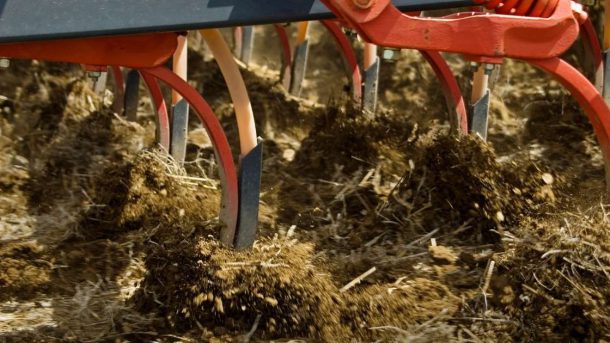
No-till farming also known as zero-tillage or direct drilling is an agriculture technique for growing crops without disturbing the soil through tillage. No-till farming reduces the amount of soil erosion caused by tillage practices. This technique also helps in increasing water infiltration rate , nutrient cycling and soil retention of organic matter. Furthermore, it helps in maintaining population of living organism in the soil. Organic no-till system uses combination of strategies such as use of cover crops to suppress weeds while conventional system used herbicides for weed control.
What is soil organic matter?
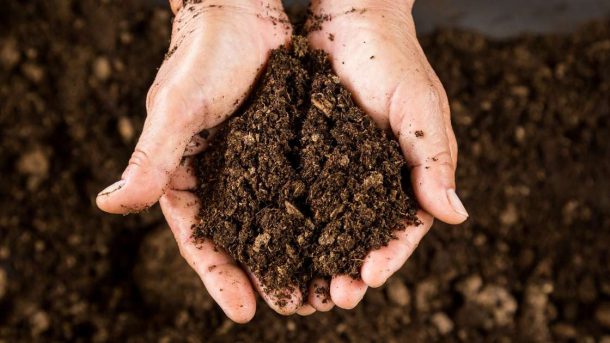
Soil organic matter (SOM) is the mix of plant and animal matter in different stages of decay. Soil organic matter plays a key role in biological, physical, and chemical function in soil. Soil organic matter is the organic component of soil, consisting of three primary parts including small (fresh) plant residues and small living soil organisms, decomposing (active) organic matter, and stable organic matter (humus). Organic matter serves as a reservoir of nutrients and water in the soil, aids in reducing compaction and surface crusting, and increases water infiltration into the soil.
What is the importance of soil pH?
Soil pH is of utmost importance in plant growth as it influences nutrient availability, toxicities and the activity of soil organisms. Soil pH regulates plant nutrient availability by controlling the chemical forms of the different nutrients and also influences their chemical reactions. As a result, soil and crop productivities are linked to soil pH value. Though soil pH generally ranges from 1 to 14, the optimum range for most agricultural crops is between 5.5 and 7.5. However, some crops have adapted to thrive at soil pH values outside this optimum range. Soil pH is affected by the mineral composition of the soil parent material and the weathering reactions undergone by that parent material.