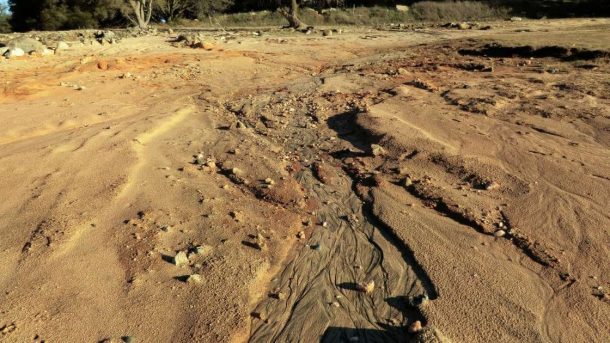
Soil surface is protected from wind erosion with a cover of vegetation or vegetative residues. Wind erosion can be managed by producing or bringing to the surface soil aggregates or clods which are large enough to resist the wind force. Wind velocity is reduced by roughening the soil and drifting soils are trapped. Establishing barriers or trap strips at intervals helps in reducing wind velocity and soil drifting.
Soil
How earthworm increases soil fertility ?
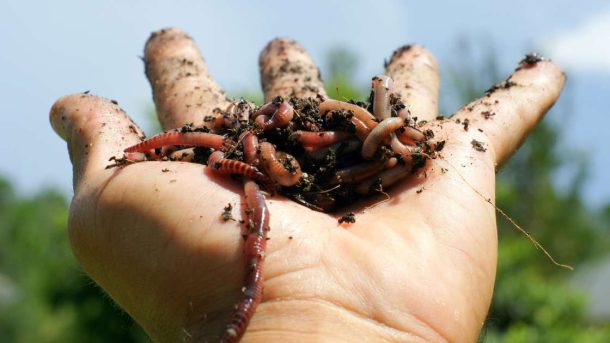
Earthworms are one of the most important organic matter decomposers. Earthworm burrows enhance soil porosity, allowing more air and water to penetrate the soil. Porosity improves root development while lowering bulk density. Because it contains nitrogen, phosphate, potassium, and magnesium, earthworm faeces or castings improve soil fertility.
What is the role of Rhizobium?
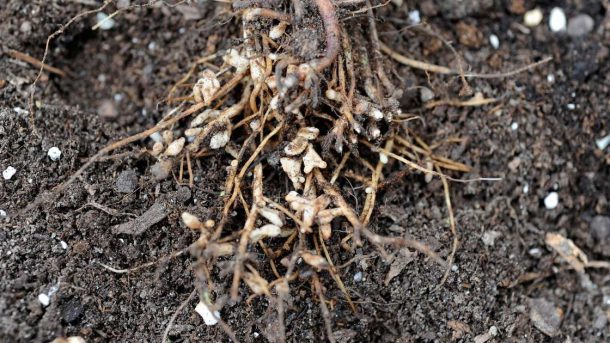
Rhizobium is a bacteria that dwells in the root nodules of leguminous plants in a symbiotic relationship. They fix nitrogen from the air and turn it into soluble nitrates, nitrites, and ammonium compounds. Increased soil production and fertility are aided by nitrogen fixing. The nitrogen gas is captured from the atmosphere and used in their growth and development. When legumes die, the nodules break down and are incorporated into the soil, making it more fertile. Rhizobium is relatively more effective and widely used biofertilizer.
What are the characteristics of sandy soils?
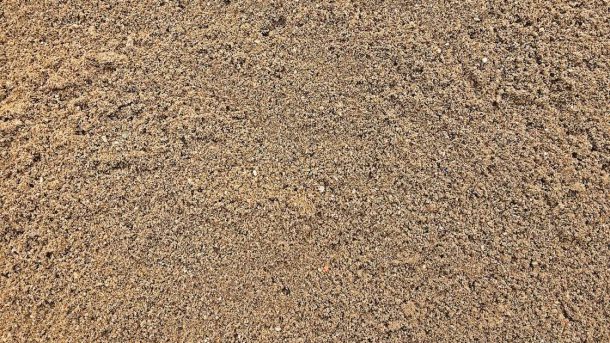
Sandy soils are characterized by less than 18% clay and more than 68% sand in the first 100 cm of the solum. Sandy soils are characterized by a lack of structure or that it is weakly developed. Sandy soils are often dry, nutrient deficient and fast-draining. They have little (or no) ability to transport water from deeper layers through capillary transport. Therefore, tillage of sandy soils in the spring should be kept to a minimum in order to retain moisture in the seedbed. The nutrient- and water-holding capacity of sand soils can be improved through adding organic material.
How to improve soil organic matter?
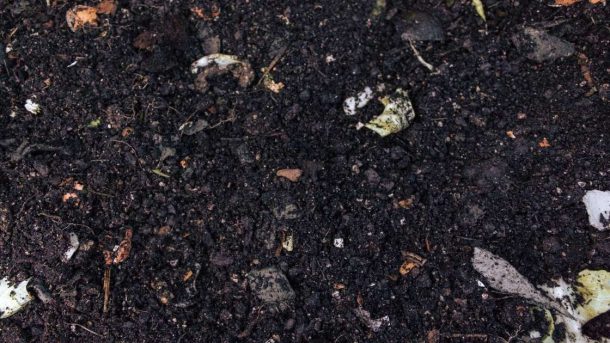
There are various methods to improve soil organic matter . This can be achieved by recycling the crop residue back to field without wasting and burning, by applying compost , by applying various organic manures, by mulching organic wastes, by using green manures and cover crops, by practicing suitable crop rotation, by reducing soil tillage and by avoiding soil erosion.
What is the principle of soil sampling?
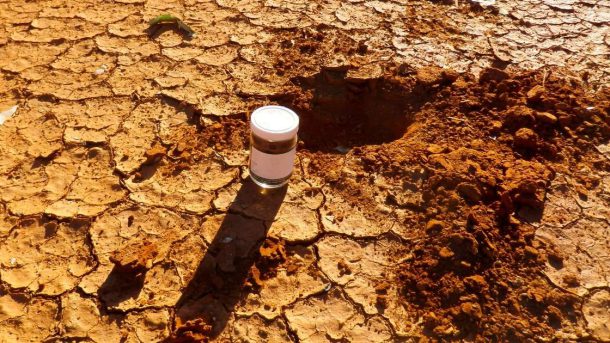
Soil testing is a significant part of soil resource management. Each sample collected act as representative of the area being sampled. Utility of the results obtained from the laboratory analysis depends on the sampling precision. In order to obtain sample of desired size by sub-sampling collection of large number of samples is advisable. Sampling is done at the rate of one sample for every two hectare area in general. For a maximum area of five hectares at-least one sample should be collected . Samples are collected from a soil profile representative to the soil of the surrounding area for soil survey work .
What is soil fertility?
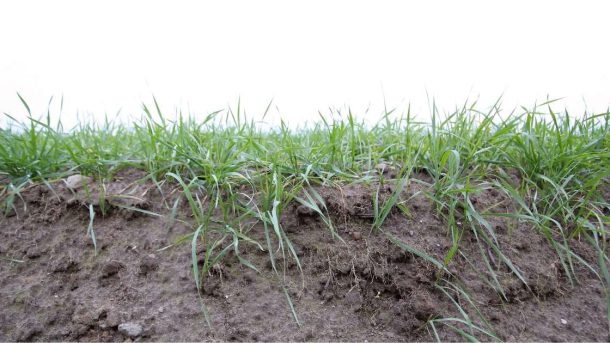
Soil fertility is generally defined as “ability of soil to supply plant nutrients”. Soil structure, soil texture, temperature, water, light and air also play an important role in maintaining soil fertility. Plant nutrients include the macronutrients nitrogen, phosphorus and potassium, sulfur, calcium and magnesium. Micronutrients are essentially boron, chlorine, copper, iron, manganese, molybdenum and zinc. Soil scientists that focus on soil fertility are interested in managing nutrients to improve crop production. They focus on using commercial fertilizers, manures, waste products, and composts to add nutrients and organic matter to the soil. Sometime they also add chemicals that change the pH to a more optimum level for nutrient availability to plants.
What is the role of gypsum in agriculture?
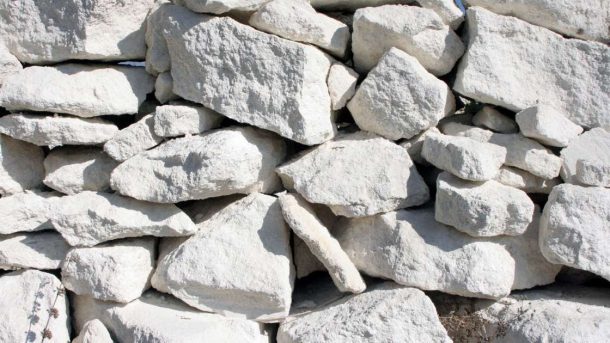
Gypsum is an excellent source of sulfur for plant nutrition and improving crop yield. One of gypsum’s main advantages is its ability to reduce aluminum toxicity, which often accompanies soil acidity, particularly in subsoils. Gypsum can improve some acid soils even beyond what lime can do for them, which makes it possible to have deeper rooting with resulting benefits to the crops. Surface-applied gypsum leaches down to to the subsoil and results in increased root growth. Gypsum has been used for many years to improve aggregation and inhibit or overcome dispersion in sodic soils. Gypsum also improves the ability of soil to drain and not become waterlogged due to a combination of high sodium, swelling clay and excess water.
What does soil color indicates?
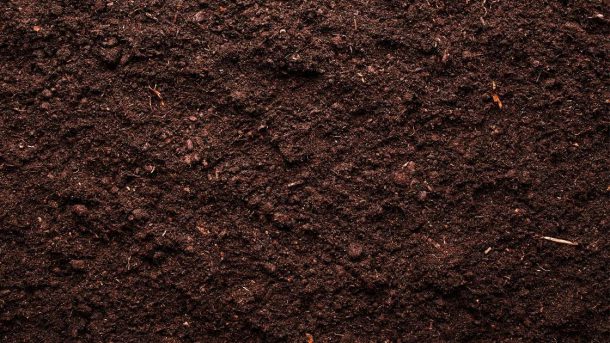
Dark color indicates usually medium to high fertility due to high amount of organic matter. These soils have usually high amount of nutrients, good water holding capacity and structure and are well aerated. Light color indicates medium to low fertility. These soils may have leaching issue (water makes organic matter and other nutrients move
downward faster).
What is Soil Sterilization?
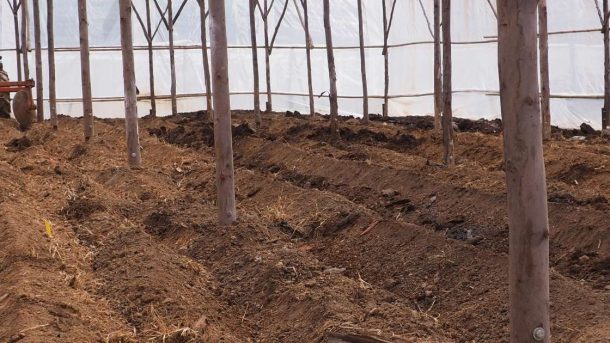
Soil sterilization is a farming technique that sterilizes the soil using chemical or physical means. Sterilization helps in suppression of weed and helps in killing fungi , nematodes and bacteria present in the soil. Chemical means include use of herbicides and fumigants and physical method include use of steam and solar energy. Soil sterilization is used in greenhouse operations, open field and the production of high-value or specialty crops. The use of sterilized soil produces healthier plants, saves time and money, and can benefit the environment.