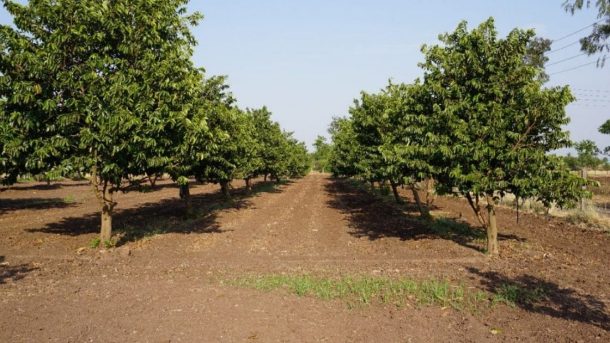
When it comes to growing conditions of this fruit, the soursop fruits can be grown in a wide range of soils. However, it prefers loose, deep loamy soil with ideal pH ranging from 6.0 to 6.5. Commercial growers of this fruit can go for the soil test to find out the suitability and soil fertility. Any nutrient and micronutrient deficiencies can be supplemented while preparing the soil.
Land preparation
How soil preparation is done for organic sorghum farming?
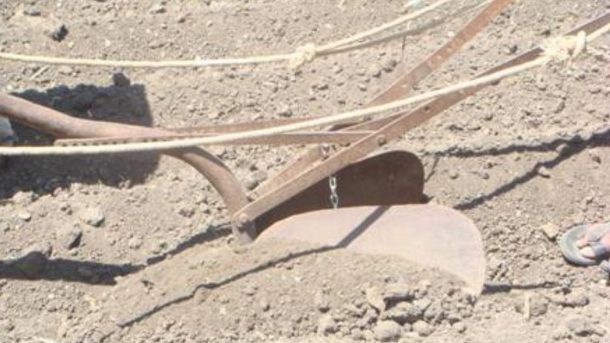
The various soil types namely vertisols, entisols, inceptisols or alfisols are suitable for growing sorghum. Vertisols with better cation exchange capacity, higher nutrient status and water retention support the good crop. The crop is grown successfully on soil with pH ranging from 5.5 to 8.5. It tolerates salinity and alkalinity. Under good climatic conditions, Sorghum does best on deep fertile soils. It is adapted to poor soils and can grow well on soil where many other crops would fail.
Soil fertility is a crucial factor in the success of Sorghum yield. Factoring in the soils crop history, what was planted in the previous year, is crucial, especially if the previous crop was a legume like alfalfa or soybeans. Knowing the manure application history can also help you understand your soils fertility. Soil nutrient testing is critical in determining the number of nutrients to add by fertilizing. Soil testing starts with proper soil sampling. If the precision application of fertilizer is an option, consider grid sampling. Once soil test results are available, it is important to understand how to interpret the results to best help in maintaining good soil health.
What is Minimum mechanical soil disturbance?
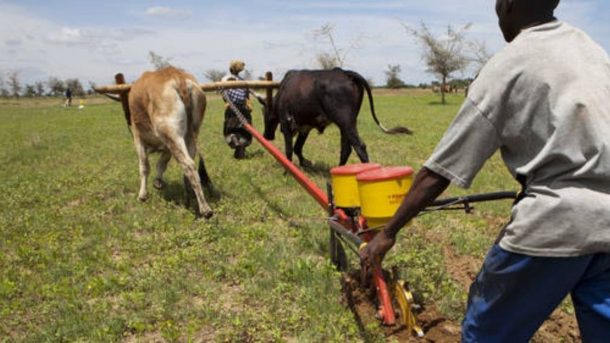
Generally, soil biological activities are supposed to produce stable soil aggregates as well as variant sizes of pores which allows proper aeration and infiltration of water. With mechanical soil disturbance by tillage or cultivation practices, the biological soil structuring processes fade away. Minimum soil disturbances are responsible for maintaining the optimum composition of respiration gases, appropriate porosity for soil water movement, and germination of weed seeds. The minimum mechanical soil disturbances indicate permanent low soil disturbance, no tillage, and then involves no till direct seeding along with no till weeding.
Which soil is suitable for Ivy gourd cultivation and how land preparation is done?
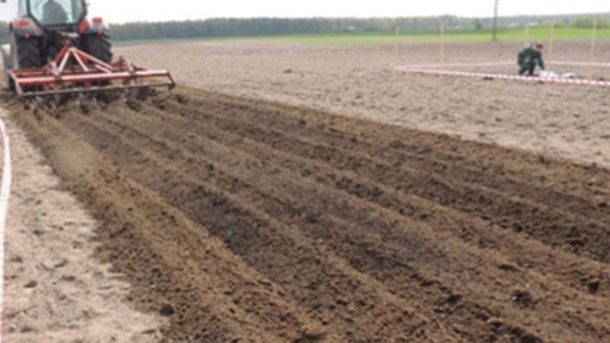
Well drained rich sandy loam soils are best suitable for its cultivation. Heavy clay soils, acidic and alkaline soils should be avoided. The soil pH of 6.0-6.5 results in the best yield and quality of the vegetable.
Plough the land or soil until fine tilth is achieved and to kill any weeds. Apply any well-rotted manure along with micronutrients.
How do you prepare the soil for growing carrots?
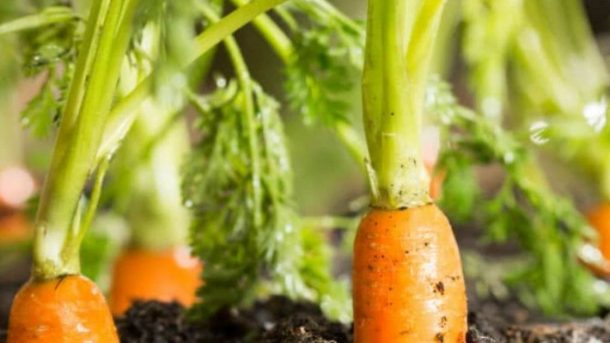
Simple method to prepare the soil for growing healthy carrot is:
Create a deep soil bed with a depth of 10-12 inches. Fertilize the soil with phosphorus. Balance the pH of the soil (6.2-6.8). Keep the soil moist enough for the plants to perform better. Cover the exposed part of the carrots with mound soil or mulch. Treat the soil with recommended fungicides to avoid the occurrence of soil pests.
How land preparation is done for groundnut cultivation?
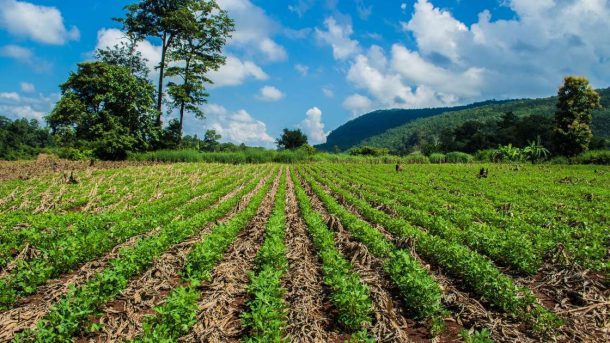
Plough with tractor disc followed by harrow, once or twice with iron plough or three to four times with country plough, until all clods are broken and a good tilth is achieved. Once every three years, chisel the soils with hard pan formation at shallow depth using a chisel plough, first in one direction and then in the direction perpendicular to the previous one. In addition to chiselling, apply 12.5 t/ha FYM or composted coir pith.
How land preparation is done for rainfed rice ?
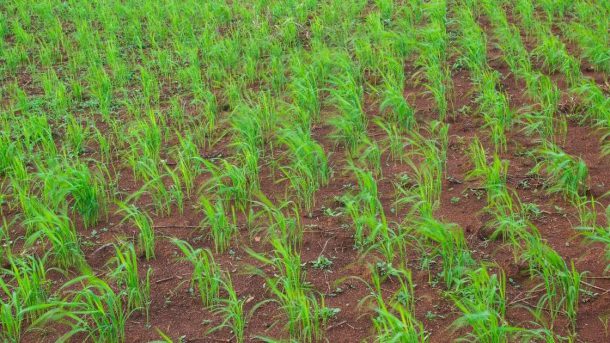
Prepare the field with the first summer rains. Plough the field thoroughly. Use the disc harrow a total of two times. Apply 10 t/ha of farmyard manure. Lime should be applied every three years. After soil testing, determine the dosage. Lime will be applied in the furrows, which will lower the amount of lime required. Before sowing, make sure the field is properly levelled. Make 25cm-distance rows that are uniform. To make shallow furrows, use a row marker (rows). Before planting, mix in a base dose of fertiliser (20 kg N, 60 kg P, 40 kg K/ha) and carbofuran granule (1 kg a.i./ha) in the furrows.
What is No-till farming?
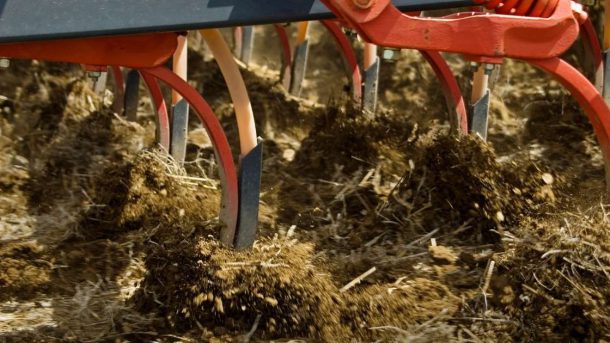
No-till farming also known as zero-tillage or direct drilling is an agriculture technique for growing crops without disturbing the soil through tillage. No-till farming reduces the amount of soil erosion caused by tillage practices. This technique also helps in increasing water infiltration rate , nutrient cycling and soil retention of organic matter. Furthermore, it helps in maintaining population of living organism in the soil. Organic no-till system uses combination of strategies such as use of cover crops to suppress weeds while conventional system used herbicides for weed control.