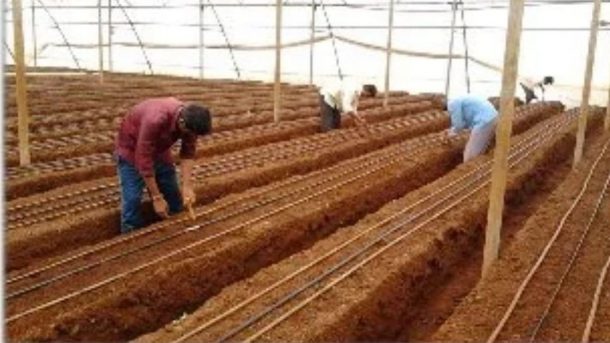
Land preparation

How to make soil more soft for root growth?

wheat

There are several ways to make soil more soft for root growth, including:

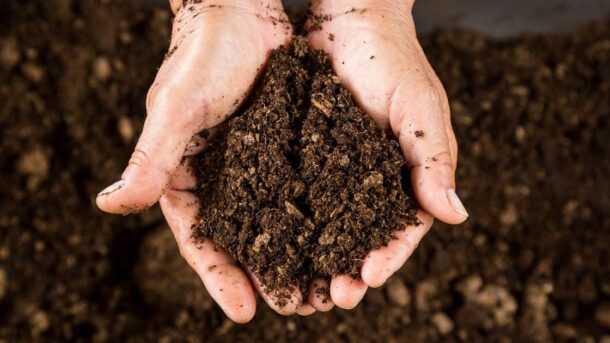
  1. Adding organic matter: Incorporating organic matter such as well-decomposed farm yard manure, compost, or vermi-compost can improve soil structure and water-holding capacity, making it easier for roots to penetrate.
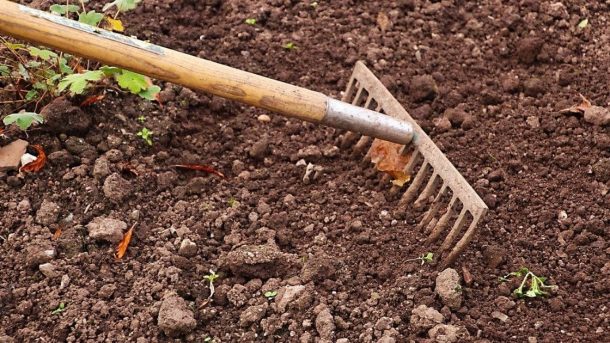
  2. Loosening soil: Use a rake or cultivator to loosen the soil and break up any clumps. This will make it easier for roots to penetrate the soil and increase soil aeration.
  3. Improving drainage: Make sure the soil has good drainage to prevent waterlogging, which can make it difficult for root growth. If the soil is heavy clay or sandy, adding organic matter can help improve drainage.
  4. Adjusting pH: Adjust the pH of the soil to the optimal range for the plants you’re growing. Most plants prefer soil that is slightly acidic (pH 6.0-6.8), but some plants, such as blueberries, prefer more acidic soil (pH 4.5-5.5).
  5. Cover cropping: Planting cover crops such as clover, alfalfa, or rye can help to improve soil structure and fertility, and prevent erosion.
  6. Mulching: Mulching with organic materials such as straw, grass clippings, or leaves can help to keep soil moist, suppress weeds, and protect soil from erosion.

It’s important to note that the timing of these steps can vary depending on the region and climate, and that soil conditions also change over time so regular monitoring and maintenance is important.
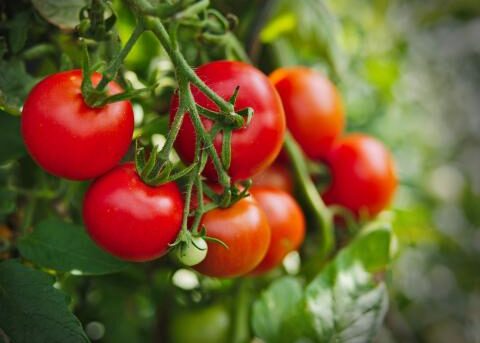
How to prepare the soil for tomato crops?

the soil

Preparing soil for planting tomato crops typically involves several steps:

  1. Test soil: Have the soil tested for pH, fertility, and other factors to determine if any adjustments need to be made. Tomato plants thrive in slightly acidic soil with a pH between 6.0 and 6.8.
  2. Clear the field: Remove any debris or weeds from the field, as these can compete with the tomato plants for nutrients and water.
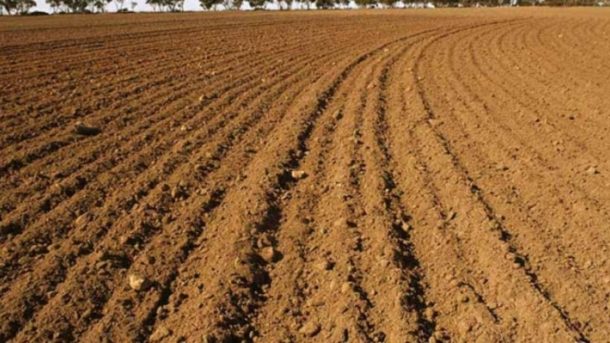
  3. Till the soil: Use a tiller or cultivator to turn over and break up any clumps. This will also help to bury any leftover debris or weeds.
  4. Apply organic matter: Incorporate organic matter such as well-decomposed farm yard manure, compost or vermicompost to improve soil fertility, structure and water-holding capacity.
  5. Apply fertilizer: Apply fertilizer according to the test results and the specific needs of the tomato crop. Tomatoes need a balanced amount of nitrogen, phosphorus, and potassium for optimal growth.
  6. Irrigation: Tomato plants need a consistent supply of water, but too much water can lead to disease, so proper drainage is important.

It’s also important to note that the timing of these steps can vary depending on the region and climate. In some areas, it may be necessary to perform these steps several weeks or months before planting, while in others they can be done just before planting.

How to prepare the soil for wheat crops in India?

wheat

Preparing soil for planting wheat in India typically involves several steps:

  1. Test soil: Have the soil tested for pH, fertility, and other factors to determine if any adjustments need to be made.
  2. Clear the field: Remove any debris or weeds from the field, as these can compete with the wheat for nutrients and water.
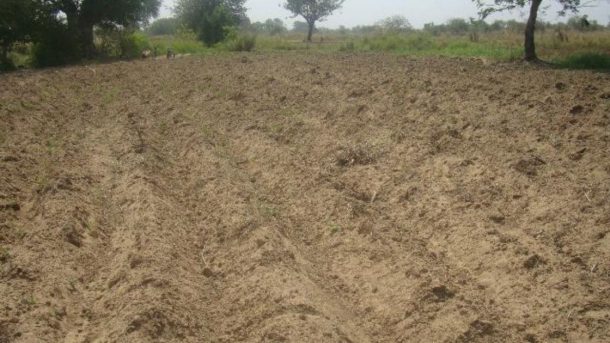
  3. Plough and harrow: Use a plough or cultivator to turn over the soil and break up any clumps. This will also help to bury any leftover debris or weeds.
  4. Apply organic matter: Incorporate organic matter such as well-decomposed farm yard manure, compost or vermicompost to improve soil fertility, structure and water-holding capacity.
  5. Apply fertilizer: Apply fertilizer according to the soil test results and the specific needs of the wheat crop.
  6. Irrigation: Wheat needs to be planted in well-drained soil. Irrigation should be done in such a way that the soil is moist but not waterlogged.

It’s also important to note that the timing of these steps can vary depending on the region and climate. In some areas, it may be necessary to perform these steps several weeks or months before planting, while in others they can be done just before planting.

How Soil Preparation is done for Growing Tulsi Organically?

Tulsi

Sandy loam soil with good organic matter is considered ideal for the Tulsi plants. Fertile and well-aerated soil is ideal for the Tulsi plant. If you are planning to plant outdoors, make sure that the soil is well-dug. Though, mixing organic compost or cow dung is a good method to make the soil fertile and facilitate proper aeration. And, make sure that the soil and the compost are weed free.

Tulsi plant thrives well on a variety of soils. For Tulsi cultivation, rich loam to poor laterite, saline, and alkaline to moderately acidic soils are well suitable. Well-drained soil helps better vegetative grown. The waterlogged condition can cause root-rot and result in stunted plant growth. This plant can be grown under partially shaded conditions but with low oil contents. This plant flourishes well under fairly high rainfall and humid conditions. Tropical and subtropical climate (at altitudes up to 900m.) is suited for its cultivation.

How land preparation is done for growing Holy Basil?

land

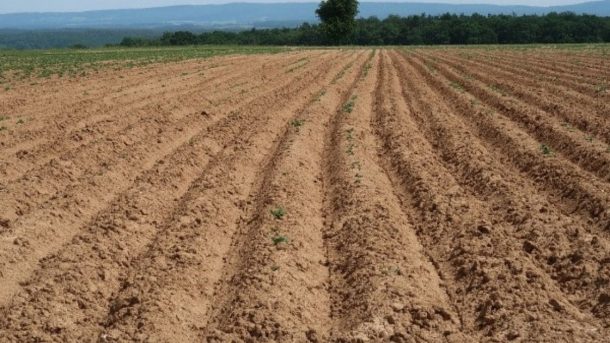
The main planting field should be prepared with drainage channels between rows. The soil should be given couple of ploughings and harrowings till it attains the fine tilth stage.  Level the field and mix well decomposed farm yard manure of 15 to 20 tons/ha (basal dose) like cow dung at the time of last plough. Once the fine seedbeds are prepared in the field, land will be ready for Tulsi transplantation.

How Soil Sterilization is done for Gerbera Flower Farming?

Gerbera

To save the crop from soil borne diseases, soil disinfection must be carried out well before gerbera cultivation. There are three main soil borne pathogens like Fusarium, Phytophthora and Pythium which would destroy the entire crop if the soil disinfection is not done. The prepared soil beds should be fumigated with Methyl Bromide (30 grams/square meter area) solution (or) 2% of formaldehyde (100 ml Formalin in 5 liter of water/square meter area) solution or Methyl Bromide (30 grams/square meter area) solution. Cover the fumigated beds with a plastic sheet for minimum period of 3 to 4 days. To drain out the chemicals from the beds, watering should be done.

How Land Preparation and Planting is done in Cherry Fruit Cultivation?

Planting

 In India, the ideal planting time for cherry is Dec to Jan and this fruit cultivation carried mainly on hilly areas on sloppy lands. Usually contour or terrace system is practiced. However, square system is practiced in valley regions. The spacing of plants depends on the rootstock used. However, a spacing of 6 x 6 meter is preferred for plants raised in seedlings. Land should be given couple of ploughings to make the soil fine tilth and weed free.

Pits size of 1 x 1 x 1m should be dug and filled with a mixture of 45 kg of well rotten farm yard manure (FMY) and 1/2 kg of super phosphate just 4 weeks before planting. Pits should be filled 15 cm above the ground level.