Seed

What are the most significant challenges faced by farmers in the agricultural market?

farmers

Agricultural producers encounter a variety of difficulties that can seriously harm their lives and output. These difficulties can change depending on variables including geography, farm size, type of agriculture performed, and market conditions at the time. The following are some of the most important difficulties that farmers face:

Extreme weather events and climate change: Droughts, floods, heat waves, and storms are just a few of the unpredictable weather patterns that farmers must contend with. These occurrences may result in crop failure, lower yields, and higher production expenses.

Agricultural commodity prices can fluctuate on the market because of things like supply and demand mismatches, weather-related problems, and generalized economic situations. The revenue and profitability of farmers can be impacted by price changes.

Farmers frequently experience difficulty obtaining credit and financing at reasonable rates, which restricts their capacity to spend money on cutting-edge machinery, tools, and inputs.

Costs of inputs: Farmers may experience financial hardship due to rising prices for seeds, fertilizer, pesticides, and fuel, which may hinder their capacity to remain competitive in the market.
How does the use of drones in agriculture reduce operational costs?

drones

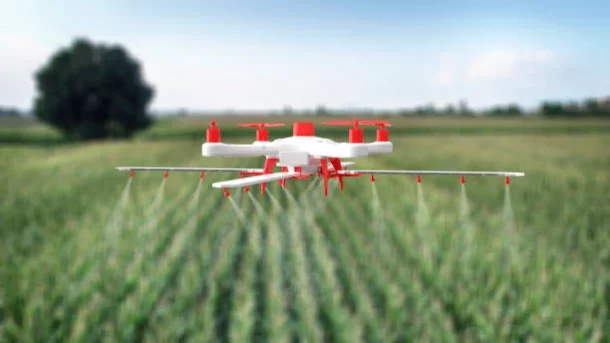
Drones use in agriculture can cut expenses in a variety of ways, including:

Effective data gathering: Drones with cameras, sensors, and other data-gathering equipment may quickly and effectively gather a variety of data kinds, including aerial pictures, multispectral or thermal imaging, and LiDAR data. Drones can quickly cover enormous regions and collect high-resolution data at a fraction of the cost and time of conventional manual data collection methods. This effectiveness lowers the need for labor and related expenses.

Precision mapping and monitoring: Drones make it possible to precisely map and keep an eye on livestock, crops, and fields. Drone-collected aerial imagery and sensor data can give precise information about the health of crops, their growth patterns, soil moisture levels, and pest infestations. Farmers can focus on specific regions by identifying those that need care.

Crop health evaluation: Drones with specific sensors may take multispectral or thermal photos, which offer important information about the state of a crop’s health. Early indications of stress, food deficiency, or disease outbreaks that might not be evident to the naked eye can be found using these photos. Farmers can avoid the need for lengthy scouting, eliminate yield losses, and use fewer chemical inputs by quickly recognizing and resolving these problems.

Drones can be fitted with seed spreaders or sprayers to enable the exact application of inputs such as seeds, fertilizer, or pesticides. Drones eliminate waste, minimize chemical use, and maximize resource use by applying inputs just where they are required. This focused strategy aids in lowering input costs and lessens the environmental damage caused by excessive application.

 How can nanotechnology enhance crop production and protection?

protection

Numerous approaches to improve crop protection and yield are provided by nanotechnology. The following are some significant ways that nanotechnology can advance these causes:

Enhanced Nutrient distribution: The exact and targeted distribution of nutrients to plants is made possible by nanotechnology. Nutrient utilization efficiency can be increased by using nanoscale nutrient carriers or nanofertilizers that release nutrients gradually and in response to plant needs. In order to promote optimal growth, production and protection, and nutrient uptake, this targeted delivery makes sure that plants receive nutrients in the proper amount and at the proper time.

Controlled Release of Pesticides and Herbicides: Nanotechnology makes it easier to create pesticide and herbicide nanoformulations. These nanoformulations safeguard the active components, increase their solubility, and allow for regulated release. Pesticides or herbicides are progressively released using controlled-release devices, assuring continuous efficacy and minimizing the need for repeated treatments. 

Nanotechnology improves seed treatments to promote improved germination and crop establishment. Seed treatments like biostimulants, growth regulators, or advantageous microbes can be protected and released gradually by being nanoencapsulated. This encourages stronger seedling growth, healthier seed germination, and better crop establishment.

Diagnostic instruments and sensors based on nanotechnology are better at identifying and diagnosing diseases. Rapid and sensitive detection of particular pathogens or disease markers is made possible by nanobiosensors and nanoprobes. These nanoscale tools enable precise and rapid disease identification, enabling quick response and focused disease management techniques.

What are the challenges and benefits of adopting climate-smart agriculture practices?

climate-smart agriculture

Adopting climate-smart agricultural techniques has advantages and disadvantages. The following are some of the main drawbacks and advantages of adopting climate-smart agriculture:

Challenges:

Knowledge and Awareness: Making sure farmers have access to the information they need regarding climate-smart practices is one problem. Understanding the effects of climate change, effective adaptation measures, and the potential advantages of implementing climate-smart agriculture are all included in this.

Financial Resources: Putting climate-smart strategies into effect frequently necessitates investments in new infrastructure, technologies, or training. For farmers, especially small-scale farmers, a lack of financial resources can be a major obstacle to implementing climate-smart agriculture.

Technical Capacity: Using climate-smart activities may call for learning new abilities, using new tools, and having new technical knowledge. It can be difficult to give farmers the instruction and support they need to improve their technical proficiency, particularly in areas with few extension services or sources of agricultural advances.

For farmers to successfully apply climate-smart practices, they require access to quality seeds, fertilizer, water supplies, and other inputs. Particularly in isolated or underdeveloped locations, a lack of access to these resources can impede the implementation of climate-smart agriculture.

Benefits:

Climate Resilience: Climate-smart agriculture makes farming systems more resistant to the effects of climate change. It consists of steps to adapt to shifting climatic conditions as well as activities that reduce greenhouse gas emissions. Farmers can overcome climate-related hazards and keep up agricultural productivity thanks to their resilience.

Productivity Gains: Climate-smart farming techniques frequently boost agricultural output. Conservation agriculture, agroforestry, and precision farming are examples of practices that maximize resource usage, boost soil health, and improve water management. These methods help to increase crop yields, crop quality, and farm income.

What are the different types of CEA systems?

CEA systems

The term “controlled environment agriculture” (CEA) refers to a variety of structures and technologies that offer plants regulated settings for growth. Here are a few examples of the various CEA systems types:

Greenhouses: A controlled environment for plants is provided by enclosed structures made of glass or other transparent materials that enable sunlight to enter. In order to control temperature, humidity, and airflow, they use ventilation, heating, and cooling systems as well as natural light, supplemented when necessary by artificial lighting. A flexible and popular kind of CEA systems that can accommodate a variety of crops and production methods is provided by greenhouses.

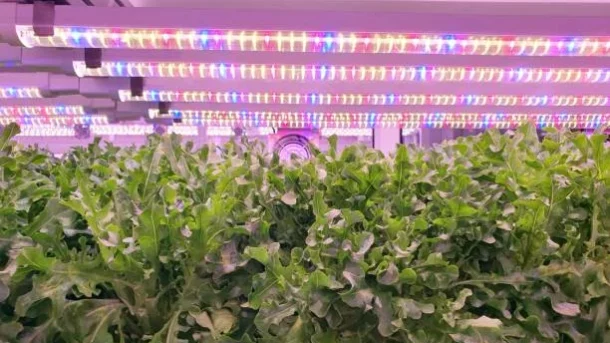
Indoor vertical farms: Indoor vertical farms use artificial illumination to grow plants vertically in stacked layers or shelves. These farms frequently employ hydroponic or aeroponic systems, making effective use of available space in crowded cities.

Container farms indoors: Container farms are independent structures often housed inside of shipping containers. These small systems come complete with hydroponic or aeroponic systems, lighting, and climate control. Urban farming, rural farming, or farming in areas with limited space can all benefit from container farms’ mobility and adaptability.

Plant factories, also referred to as growth chambers, are completely regulated indoor spaces where plants are grown with the help of artificial lighting, temperature control, and exact nutrition supply. These systems, which offer the best conditions for plant growth, are frequently employed in research, seedling propagation, and the growth of crops with high market value.

What is the main objective of the Interest Subvention Scheme for agricultural loans?

Interest Subvention Scheme

The Interest Subvention Scheme for Agricultural Loans’ primary goal is to assist farmers financially by lowering the cost of borrowing for agricultural endeavors. Governments or agricultural organizations often adopt the plan in order to advance agricultural growth, boost farm productivity, and enhance farmers’ general well-being.

The granting of interest rate subsidies on loans for agriculture is the centerpiece of the Interest Subvention Scheme. Under this plan, the government or the designated agency will pay for a portion of the interest on agricultural loans. Depending on the nation or region where the program is implemented, the precise percentage of the interest subsidy and other specifics may change.

Access to affordable credit: Thanks to the program, farmers can now obtain loans with lower interest rates, which lowers the cost of agricultural loans. This aids farmers in making investments in a range of agricultural endeavors, including the acquisition of seeds, fertilizers, machinery, equipment, and livestock.

A reduction in borrowing costs encourages farmers to invest in agricultural operations, such as innovative farming methods, cutting-edge technology, and enhanced infrastructure. This enhances agricultural competitiveness, production, and efficiency.

Timely payback and financial security: The program’s goal is to increase farmers’ capability to make repayments by easing their financial load. This lowers the possibility of loan defaults and improves farmers’ financial security.

Which scheme aims to promote the cultivation of oil palm and provide support for oil palm processing units?

cultivation

The Palm Oil cultivation and Promotion Scheme is one program that tries to support oil palm processing facilities and encourage the growth of oil palm plantations. Governments or agricultural organizations usually carry out this plan in nations where oil palm production is an important business.

Subsidies and financial aid: In order to encourage farmers to grow oil palm, the program may offer them cash incentives, subsidies, or low-interest loans. This can aid in defraying the price of planting seeds, seedlings, fertilizer, and other oil palm cultivation-related inputs.

Technical support and training: The initiative can provide farmers with technical assistance and training programs to help them advance their oil palm farming techniques. This can include advice on planting procedures, insect control measures, irrigation strategies, and environmentally friendly farming methods.

Infrastructure development: The plan may include projects to create the infrastructure needed for growing and processing oil palm. To facilitate the expansion of the sector, this may entail constructing or improving irrigation infrastructure, highways, processing plants, and storage facilities.

Research and development: The plan may include funding for initiatives to improve oil palm cultivation, such as the creation of high-yielding strains, disease-resistant kinds, and effective processing methods. This improves the sector’s quality and production.

Name a government initiative that provides financial assistance for the establishment of seed banks.

financial assistance

The “National Seed Project” (NSP) is one government program that offers financial assistance for the creation of seed banks in India. The Department of Agriculture, Cooperation & Farmers Welfare, Ministry of Agriculture and Farmers Welfare, Government of India, is in charge of implementing the National Seed Project.

The National Seed Project’s primary goals and initiatives typically consist of:

Creation of Seed Banks: The project aims to aid in the creation of seed banks at many levels, including village, block, and district levels. These seed banks act as storage facilities for high-quality seeds of various crop kinds, assuring their accessibility for upcoming planting seasons.

Plant genetic resource preservation: The National Seed Project prioritizes the creation of seed banks in order to protect and conserve plant genetic resource diversity. To protect agricultural biodiversity, it strives to gather, conserve, and manage a variety of crop germplasm, including traditional and native crop varieties.

Seed Quality Control: The initiative places a strong emphasis on methods to ensure that farmers have access to high-quality seeds for financial assistance. In order to preserve the genetic purity, viability, and germination ability of seeds kept in seed banks, it promotes the strengthening of seed testing labs, quality control systems, and certification procedures.

Which government initiative focuses on promoting the cultivation of aromatic rice varieties?

aromatic rice varieties

The “National Mission on Sustainable Agriculture” (NMSA), a government program, aims to encourage the production of fragrant aromatic rice varieties in India. The Department of Agriculture, Cooperation & Farmers Welfare, Ministry of Agriculture and Farmers Welfare, Government of India, is in charge of implementing the National Mission on Sustainable Agriculture.

Distribution of Seeds: The NMSA is in favor of providing farmers with high-quality seeds of aromatic rice types. In order to guarantee greater yields, better quality, and genetic integrity of aromatic rice crops, it stresses the use of certified and upgraded seeds.

Technical Assistance: The mission helps farmers grow aromatic rice varieties by offering advice and technical support. In order to promote optimal agricultural practices, water management, nutrition management, pest and disease control, and post-harvest management specifically for the cultivation of aromatic rice, this also involves training programs, demonstrations, and capacity building efforts.

Infrastructure Development: The NMSA is focused on creating the infrastructure required for the production of fragrant rice. To support the cultivation and post-harvest management of aromatic rice crops, this entails the establishment of irrigation systems, water management infrastructure, storage facilities, and other crucial infrastructure elements.

Market Linkages: The mission enables farmers who grow aromatic rice to connect with markets and gain access to markets. For aromatic rice varieties, it encourages value addition, market diversification, branding, and market intelligence, providing better market pricing and enhanced market opportunities for farmers.

Which government program focuses on promoting the cultivation of saffron in India?

cultivation of saffron

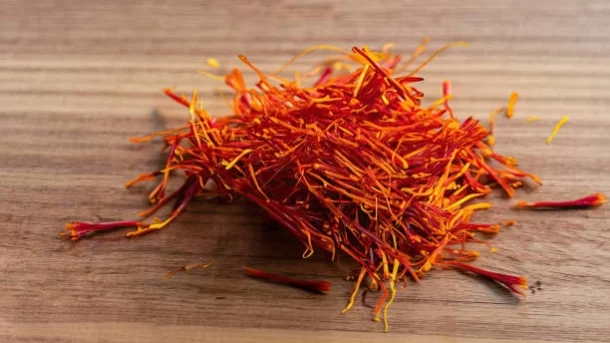
The “National Saffron Mission” (NSM) is a government initiative that seeks to encourage saffron farming in India. The Department of Agriculture, Cooperation & Farmers Welfare, Ministry of Agriculture and Farmers Welfare, Government of India, is responsible for carrying out the National cultivation of saffron Mission.

The National Saffron Mission’s primary goals typically consist of:

Saffron Cultivation Promotion: The NSM seeks to advance cultivation of saffron and raise saffron output in India. It encourages farmers to use saffron production strategies, such as saffron-specific pest control techniques, seed selection, irrigation management, and management of nutrient levels.

Technology Transfer and Training: The goal of the mission is to teach farmers the most effective methods for growing saffron through technology transfer and training initiatives. It offers saffron training.

The NSM places a strong emphasis on research and development operations to improve saffron production methods and address the difficulties saffron producers encounter. It aids in the production of enhanced saffron types with greater yields and improved resistance to pests and diseases, as well as research projects and breeding programs.

Development of Infrastructure: The mission encourages the creation of the infrastructure required to enable of saffron. To assist the cultivation, processing, and sale of saffron, this includes the development of irrigation systems, saffron processing facilities, drying and grading facilities, and other relevant infrastructure elements.