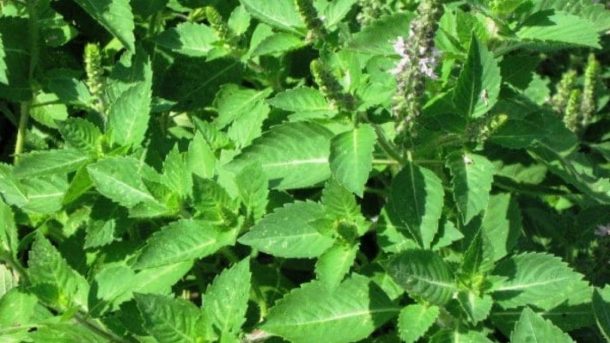
Generally, neem spray is a viable option for controlling basil pests like thrips, beetles, whiteflies, and aphids. To control some Basil pests, insecticidal soaps are available in ready-to-use spray bottles or as a concentrate. Neem Spray Insecticide is one of the most common and viable options is neem spray. It is an effective deterrent against insects and pests. The pungent aroma of garlic spray is effective in repelling bugs and pests away. Pepper spray is a potent repellent that knocks numerous pests effectively.
pest management
How Whiteflies are identified and controlled in Tulsi organically?
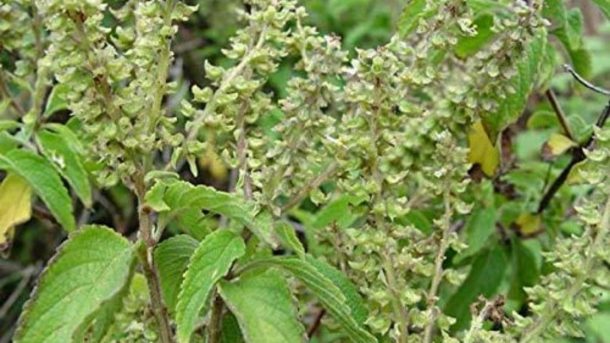
White flies are sap-sucking insects that are visible to the naked eye, slender white bodies and wings and tend to congregate on the undersides of plant leave to feed. Some botanical sprays such as pyrethrum, rotenone, and horticultural oil sprays.
How Leafhoppers are identified and controlled in Tulsi organically?
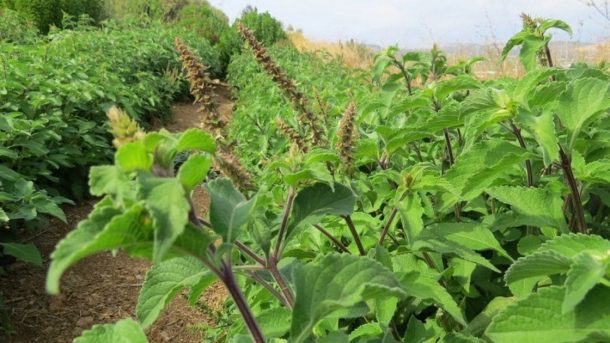
Leafhoppers are a common problem for field growers and identifiable by their light green bodies. Leafhoppers can be detected by the presence of white or pale-yellow spots on Tulsi leaves. The damage caused is not solely cosmetic since these insects are known to transmit viral diseases.
Some botanical sprays like neem, pyrethrum, and horticultural oil sprays are best for controlling leafhoppers.
What are Aphids and how it can be controlled organically?
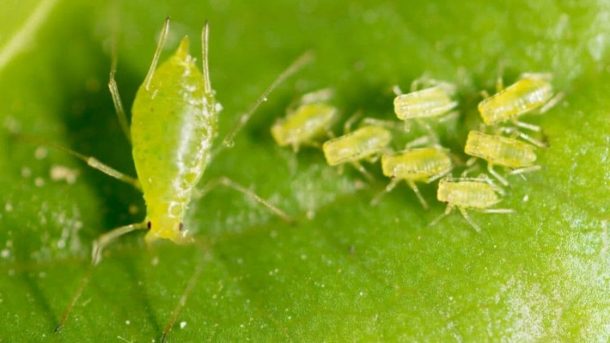
Aphids are small, soft-bodied insects that are commonly green and black colors. There are numerous methods of aphid control, including botanical sprays like insecticidal soap, pyrethrum, rotenone, and horticultural oils. Beneficial insects like ladybugs will also help to eradicate the pest.
How Pests and Diseases are Controlled for Growing Tulsi Organically?
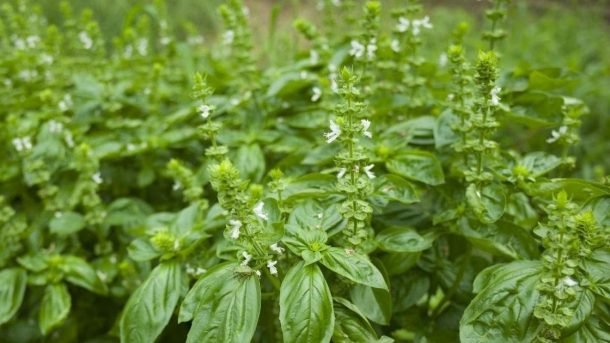
Some medicinal plants like Tulsi require production involving minimal or no usage of chemical pesticides. Some organic practices include control measures using neem-based formulations. Fish oil resin soap can be used to manage such sucking pests in Tulsi plants. Tulsi crop is generally free from pests and diseases. However, when grown in poor conditions, the Tulsi plant can be attacked by some common pests like mealy bugs, aphids, spider mites, and sometimes whiteflies. For treating Tulsi pests, use organic pesticides or insecticidal soap.
What are the Manures and Fertilizers required for sesame Farming?
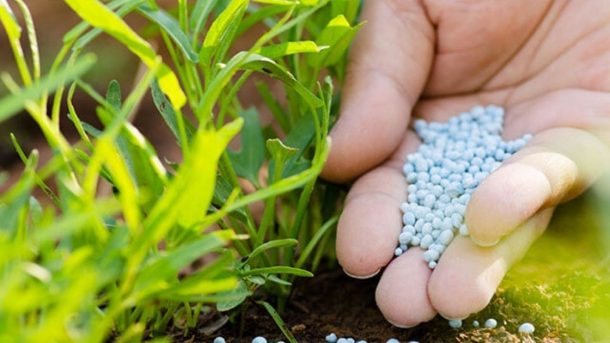
Add 5 to 6 tonnes of Farm Yard Manure (F.M.Y) or well rotten compost at the time of soil preparation. Fertilizers for rainfed and irrigated conditions are as follows. For rainfed crop ½ basal, N 40 kg/hectare, P 60 kg/hectare (30 to 35 days after sowing) and K 40 kg/hectare. For irrigated crop ½ basal, N 60 kg/hectare. P 61 kg/hectare (30 to 35 days after sowing). K 40 kg/hectare.
How allelopathic effect control pests in marigold?
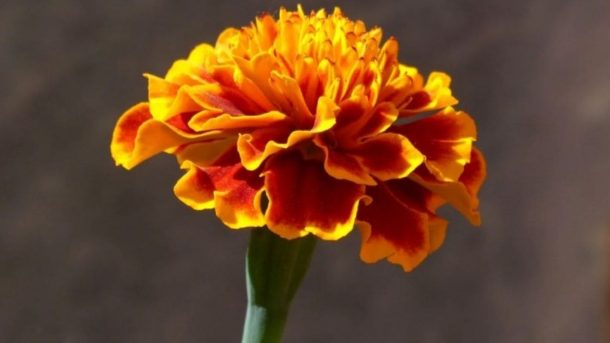
Allelopathy is the ability of an organism to produce chemicals that are toxic to other organisms. Marigold roots release the chemical alpha-terthienyl, one of the most toxic naturally occurring compounds. This compound is nematicidal, insecticidal, antiviral, and cytotoxic. The presence of alpha-terthienyl inhibits the hatching of nematode eggs. However, if in a field setting, it is unclear if marigolds producing alpha-terthienyl inhibit development because of the alpha-terthienyl itself or because marigolds are a non-host for certain nematodes.
What are the damage symptoms of Hairy caterpillar in moringa and how it can be controlled?
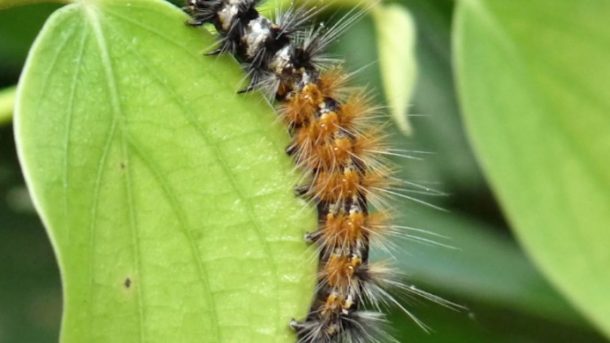
This is a common pest of Moringa that can also become serious. The larvae defoliate the trees quickly, and then collect on tree trunks and branches in groups. They can be killed with a burning torch, spray of fish oil, rosin soap, methyl parathion, chlorpyrifos or quinalphos can also control the pest.
What are the damage symptoms of bud worm in moringa and how it can be controlled?
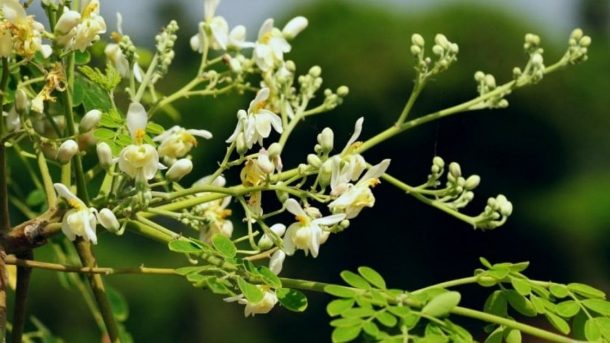
This is a destructive specialist pest only recorded on Moringa. The larvae bore into the flower buds and can cause shedding of up to 78 percent. This infestation is highest during summer. It lays eggs on flower buds which makes the larvae enter the soil and transform into a cocoon, and thus increasing their population, destroying the flower and the pods. It can be controlled by collecting the infected flowers and buds from the topsoil and destroy them completely.Spray 1 litre of Malathion per hectare of the field.
What are the damage symptoms of fruit fly in tomato and how it can be controlled?
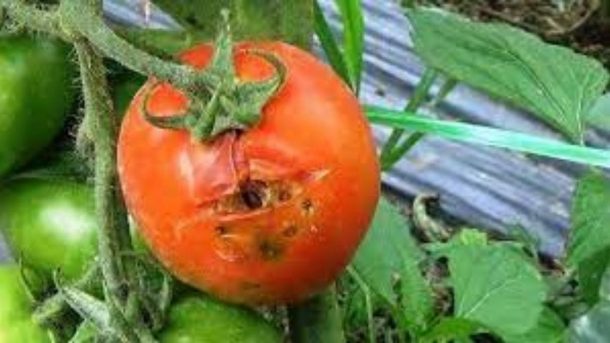
The maggots (larvae) after hatching feed on pulp of the fruits and render them unfit for human consumption. It can be controlled by field sanitation i.e., removal and destruction of dropped fruits and infested fruits daily to minimize the pest intensity. Use of pheromone traps (Palam trap @ 25/ha) for monitoring pest population. Application of malathion (0.05%) cover spray which kill the insects on contact or a bait spray that attracts and kill the adults. Bait spray is prepared by adding 50 g gur + 10 ml malathion in 10 L water.