Organic Inputs

Seaweed- As Biomass for fuel

sea weed

Macroalgae, commonly referred to as seaweed, has the potential to be used as a source of biomass for the manufacture of fuel. It can be burned as a solid fuel to produce energy or processed into biofuels like bioethanol and biodiesel.

Fast growth rates, high biomass yields, and the capacity to grow in salty conditions are just a few of its many benefits as a biomass source. It also doesn’t compete with food crops for freshwater and land resources.

Seaweed farming also has the potential to reduce carbon dioxide emissions and enhance water quality. Seaweeds of the Laminaria, Gracilaria, and Sargassum species were among the types utilized to make biofuel.

In Macrocystis, the seaweed’s mannitol and alginate contents were key factors in the good gas output. If the concentration of mannitol was high, a high percentage of gas was created. In Gracilaria, the output of methane was strongly related to the amount of carbohydrates. Sargassum generated low gas.

Seaweed can be used to produce fuel, but there are drawbacks as well. For example, effective harvesting and processing techniques are required, and seaweed-based biofuels are more expensive to produce than conventional fossil fuels.
What are oilcakes?

oilcakes

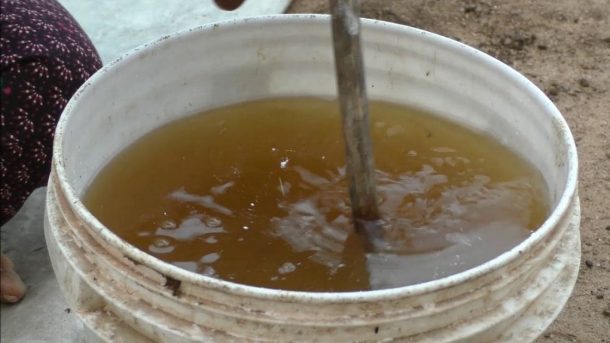
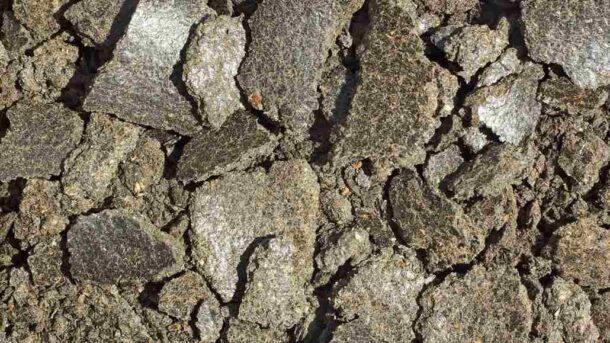
Oilcakes are a byproduct of oil extraction, which is the extraction of oil from seeds or nuts. The remaining solid matter is referred to as oilcake or meal. It is a high-protein source that is used as animal feed or as a fertilizer. Oilcakes, which are both edible and non-edible, are used as manure.

Mustard cakes, Neem Cakes, and Groundnut Cakes are excellent examples of oil cakes. Certain oil cakes made from poisonous seeds such as castor beans and tung nuts are used as fertilizers instead of animal feed.

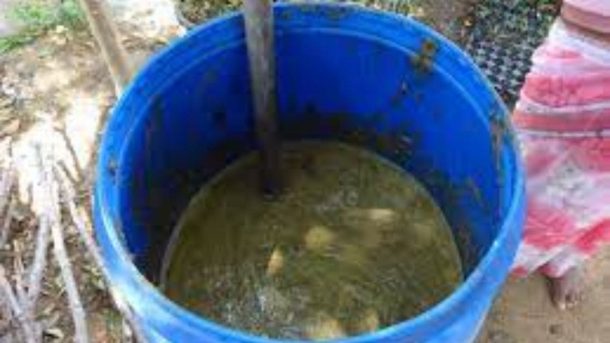
How to make ghana jivamrut?

prepare

To make Ghana Jivamrut, you will need the following ingredients:

  • 1 cup fresh coriander leaves (cilantro)
  • 1/2 cup fresh mint leaves
  • 3 green chilies
  • 2 inches of fresh ginger
  • 3 cloves of garlic
  • 1 lime, juiced
  • 1/2 teaspoon cumin seeds
  • 1/2 teaspoon salt
  • 1/4 teaspoon black pepper
  • 1/4 teaspoon sugar
  • 1/2 cup water

Instructions:

  1. Wash and chop the coriander and mint leaves.
  2. In a blender, combine the coriander, mint, green chilies, ginger, garlic, lime juice, cumin seeds, salt, pepper, sugar, and water.
  3. Blend everything until it forms a smooth paste.
  4. Serve the Jivamrut with roti, rice, or use it as a marinade or dipping sauce.

Enjoy your homemade Ghana Jivamrut!

Role of cow urine in Agriculture practice

Beejamrutha

Cow urine is also used in agricultural practices as a natural fertilizer and pest repellent. It is believed to contain nutrients such as nitrogen, phosphorus, and potassium, as well as hormones and enzymes that can promote plant growth. In Ayurvedic medicine, cow urine is also used as a disinfectant and treatment for various ailments.

It is used as a natural pesticide by mixing it with neem oil and other botanical extracts, this mixture is called ‘Panchagavya’ and is used for spray on crops to protect them from insects and pests.

Additionally, cow urine can be used as a soil conditioner, as it can help to improve the pH balance of the soil and increase the availability of nutrients for plants. It is also used as a growth promoter and to increase the yield of the crops.

Overall, cow’s urine is a valuable resource in agriculture and can provide a number of benefits when used as a fertilizer, pest repellent, and soil conditioner. However, it is important to note that more research is needed to fully understand the effects of cow urine on crop growth and yields.

Cowdung mannure is revolutionary for the farming practice

parthenium

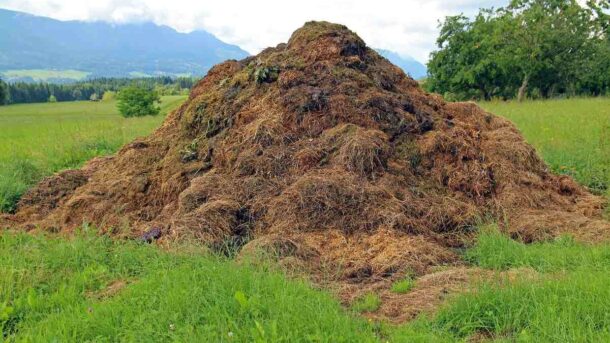
Cowdung manure is a valuable resource for farmers as it is a natural fertilizer that improves soil fertility and plant growth. It is rich in nutrients, including nitrogen, phosphorus, and potassium, and can be used as a substitute for chemical fertilizers. Additionally, cow dung manure can also be used as a source of fuel and can be converted into biogas. Overall, cow dung manure is a sustainable and cost-effective solution for improving crop yields and reducing the use of chemical fertilizers.

How Azotobacter biofertilizer make soil more fertile?

Azotobacter

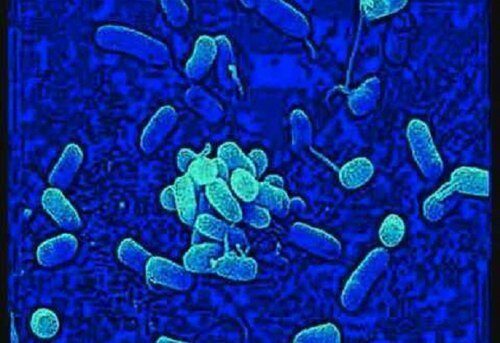
Azotobacter bacteria produce enzymes called nitrogenases, which convert atmospheric nitrogen (N2) into ammonia (NH3), which can be used by plants as a source of nitrogen. This process is known as nitrogen fixation. By fixing nitrogen in the soil, Azotobacter can help to reduce the need for synthetic nitrogen fertilizers and improve the overall health of the soil.

Azotobacters also provides other benefits to the soil such as phosphorous solubilization, production of plant growth promoting hormones and biocontrol of plant pathogens.

Azotobacters can be applied to the soil in various forms, such as liquid or granular, and can be used in combination with other biofertilizers, like Azospirillum and phosphate solubilizing bacteria, to create a more complete and balanced soil ecosystem.

It’s important to note that the growth and survival of Azotobacter in soil depend on soil conditions such as water, pH, temperature, organic matter, and other microorganisms. So, care should be taken to maintain optimal soil conditions for the growth of Azotobacter.

How to make FYM Farmyad Mannure for best result?

Farmyad Mannure

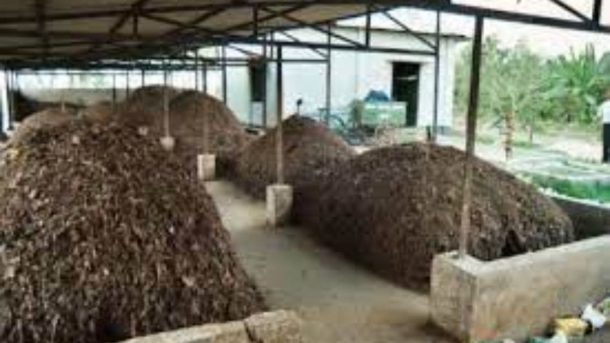
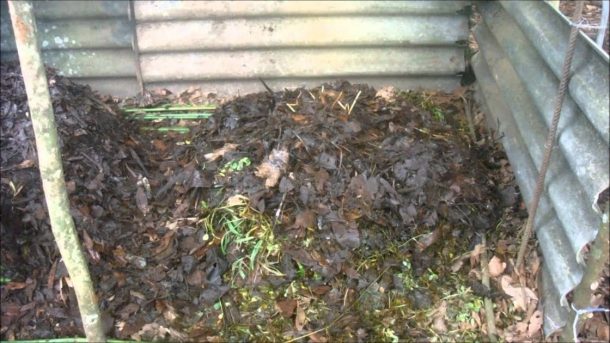
Farmyad Mannure (FYM) is a type of organic fertilizer that is made by composting a mixture of animal waste and bedding material, such as straw or sawdust. FYM is an excellent source of nutrients for plants and can improve soil structure and fertility. Here are some steps to make FYM for best result:

  1. Collect and mix together the materials for the compost pile. This can include animal manure, bedding material, and any other organic materials that are available, such as kitchen scraps or yard waste.
  2. Create a pile or bin that is at least 3 feet wide and 3 feet tall. The pile should be kept moist but not waterlogged, so it’s essential to check the moisture content of the pile regularly.
  3. Turn the pile regularly, at least once a week, to aerate it and ensure that all the materials are well mixed. This will help to speed up the decomposition process.
  4. Maintain the appropriate temperature range for the decomposition of organic matter, which is between 130°F to 150°F.
  5. After 4-6 weeks, the materials should be fully decomposed and ready to use as Farmyad Mannure (FYM). It’s important to let the compost sit for a couple of weeks before using it so that it can cool down.
  6. Store the FYM in a dry place, protected from the rain, until you are ready to use it. FYM can be applied to the soil as a top dressing or incorporated into the soil before planting.

It’s important to note that some materials like human waste, meat, dairy, and pet waste should be avoided when making FYM as they can contain pathogens and parasites that can be harmful to human and animals.

What is Coir pith composting technology ?

Coir pith

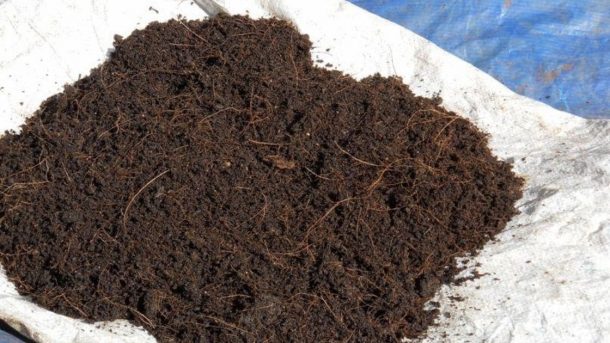
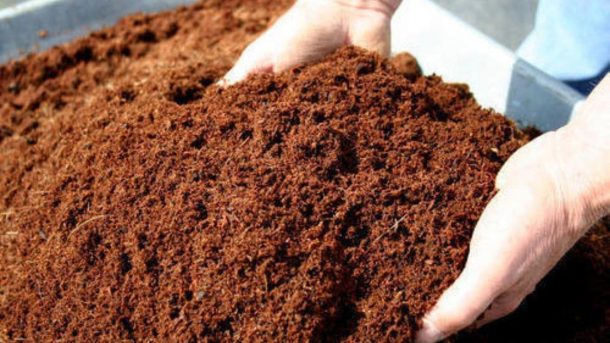
Coir pith is collected from the coir industry without any fiber. If fibrous materials are present, it is removed by sieving at the source itself. Otherwise, it has to be removed at the end of composting at the compost yard. These fibrous materials will not get composted and it will hinder with composting process. It is advisable to bring fibre free coir pith for composting.

What is Coir Pith Compost?

Coir Pith

The largest by products of coconut is coconut husk from which coir fibre is extracted. This extraction process generates a large quantity of dusty material called coir dust or coir pith. Large quantity of coir waste of about 7.5 million tonnes is available annually form coir industries in India. In Tamil Nadu state alone 5 lakh tons of coir dust is available.

Coir pith has gained importance owing to its properties for use as a growth medium in Horticulture. Because of wider carbon and nitrogen ratio and lower biodegradability due to high lignin content, it is still not considered as a good carbon source for use in agriculture. It is composted to reduce the wider C:N ratio, reduce the lignin and cellulose content and also to increase the manorial value of pith. Composting of coir pith reduces its bulkiness and converts plant nutrients to the available form.