Organic Inputs

What are the recent developments in urban-rural linkages and food system integration?

recent

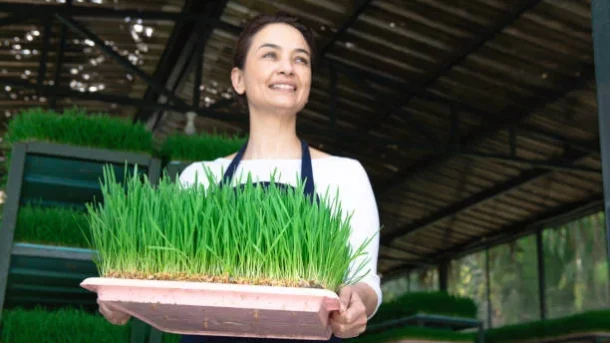
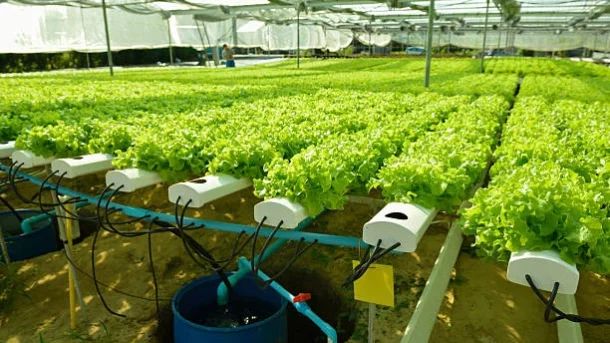
Local Food Production and Urban Agriculture: In recent years, urban agriculture has grown significantly. Urban farming efforts, such rooftop gardens, community gardens, and vertical farming, reduce transit distances and support local food supply by bringing food production closer to urban areas. These programs improve food security, give urban residents access to fresh produce, and support the circular economy by composting urban organic waste.

Direct marketing and short food supply chains have grown in popularity. Examples include farmers’ markets, farm-to-table programs, and community-supported agriculture (CSA). Urban consumers can acquire fresh, locally produced food through these direct marketing channels while also assisting small-scale farmers in rural areas. They promote openness, develop trust, and present business prospects.

Urban-Rural Partnerships and Cooperation: To increase the connections between these areas, collaboration between urban and rural stakeholders is being encouraged. Partnerships between urban and rural areas seek to promote innovation, knowledge sharing, and group decision-making in order to improve the integration of the food system. Participants in these partnerships come from a range of industries, including the government, universities, farmers, agribusinesses, and civil society groups.
What are the challenges and opportunities in agricultural water management?

water management

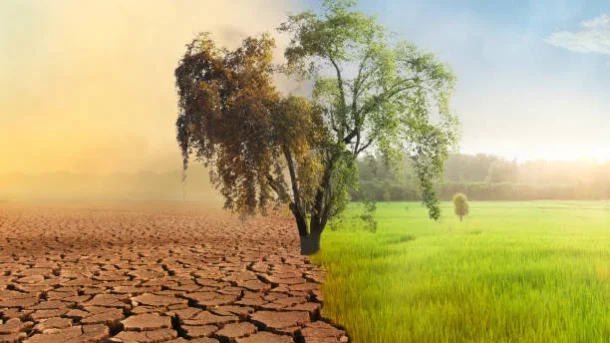
Water Scarcity: Managing water use in agriculture is difficult due to water scarcity, which is caused by variables including population growth, climate change, and competition for water supplies. Particularly in arid and semi-arid areas, a lack of water can reduce agricultural productivity and increase farmers’ susceptibility.

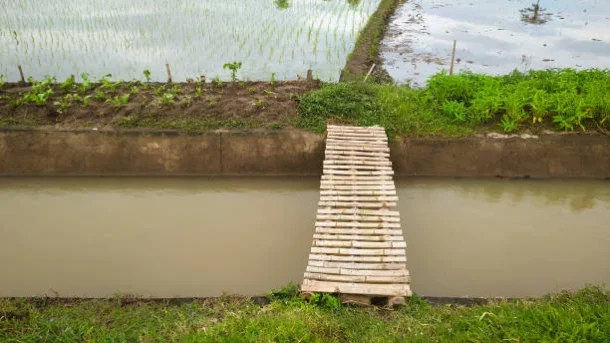
Efficiency of Irrigation: Irrigation is a key component of many agricultural systems, and poor irrigation techniques can waste water and make it less available for other uses. Low irrigation efficiency and potential water scarcity are caused by subpar irrigation methods, old infrastructure, and inefficient water management.

Water Pollution: The runoff of fertilizers, pesticides, and animal waste into water bodies is one way that agricultural activities can contribute to water pollution. The quality of the water, aquatic ecosystems, and human health may all be negatively impacted by this.

Impacts of climate change include increased frequency of extreme weather events, altered hydrological cycles, and uncertainty and variability in rainfall patterns. These adjustments present difficulties for agricultural water management, necessitating adaptation tactics like better water storage, effective irrigation methods, and water saving practices.

What are the current discussions on the impact of agriculture on climate change?

agriculture

Greenhouse Gas Emissions: Agriculture is a major source of greenhouse gas (GHG) emissions, particularly through the production of nitrous oxide (from fertilizers and manure management) and methane (from cattle and rice agriculture). Strategies to lower these emissions are discussed, including better fertilizer management, the adoption of low-emission livestock systems, and the promotion of more environmentally friendly rice growing methods.

A considerable amount of carbon dioxide is released into the atmosphere as a result of deforestation and land use change caused by agriculture, particularly the expansion of agricultural land. The discussions center on stopping deforestation, safeguarding forests and other natural ecosystems, and encouraging climate change mitigation strategies including agroforestry and replanting.

Discussions have focused on how agriculture has the ability to store carbon in soils, which can reduce greenhouse gas emissions. Improved soil health can aid in carbon sequestration and increase agricultural sustainability through techniques including cover crops, conservation tillage, and organic matter additions.

Adaptation and Resilience: Agricultural systems face difficulties as a result of climate change effects such as altered precipitation patterns, an increase in the frequency of extreme weather events, and temperature swings. The adoption of climate-resilient crop varieties, water management techniques, and system diversification are just a few examples of how resilience and adaptive ability are being built into agricultural practices and systems.

How is the use of biodegradable and compostable materials being promoted in agriculture?

biodegradable

In an effort to lessen its negative effects on the environment and to promote sustainability, agriculture is encouraged to employ biodegradable and compostable materials. The following are some strategies for promoting the use of such materials:

Films for packaging and mulching: In place of conventional plastic films, biodegradable and compostable materials are utilized for packaging and mulching in agriculture. Long-term environmental damage can be avoided and plastic waste reduced by using these materials, which can naturally decompose over time. They can be produced using a variety of materials, including bioplastics created from naturally occurring materials like plant starch, cellulose, or polylactic acid (PLA).

Planting Containers and Pots: For the growth of seedlings, biodegradable containers and pots composed of materials like coconut coir, wood fibre, or moulded plant-based polymers are employed.

Crop coverings and Tunnels Made of Biodegradable Materials: Crop coverings and tunnels are made of decomposable materials, such as bioplastic or natural fibers. These materials offer defense against insects, severe weather, and temperature swings. They gradually disintegrate naturally, obviating the need for removal and disposal and lowering waste production.

Biodegradable Mulches: biodegradable mulches derived from substances such as starch, cellulose, or decomposable polymers are becoming more and more well-liked. Similar to conventional plastic mulches, these mulches reduce weed development, preserve soil moisture, and enhance crop performance. However, they organically decompose after the growth season, negating the requirement for removal and disposal of plastic.

What are the efforts to promote agricultural biodiversity and conservation?

biodiversity

For agricultural systems to remain robust and sustainable, conservation and promotion of agricultural biodiversity are crucial. Here are some important programmes and techniques in this area:

Landraces, traditional crop varieties, and wild relatives of cultivated crops are among the genetic resources that must be conserved in order to protect agricultural biodiversity. To gather, store, and catalogue these genetic resources for later use, seed banks, gene banks, and germplasm repositories are set up. The fair and equitable distribution of genetic resources is additionally supported by programmes like the International Treaty on Plant Genetic Resources for Food and Agriculture.

Using natural pest management, crop rotations, and agroforestry systems, organic and agroecological agricultural practices place a priority on biodiversity preservation. These techniques increase ecosystem resilience and decrease the need for synthetic inputs by generating a variety of habitats that support beneficial insects, pollinators, and natural predators.

In order to support biodiversity, efforts are made to repair and establish habitats within agricultural landscapes. This entails creating wildlife-friendly ponds, wetlands, and meadows in addition to planting hedgerows, field margins, and buffer zones. These environments give beneficial insects, birds, and other species food, cover, and places to reproduce.

How is the concept of circular economy being applied in the agricultural sector?

circular economy

The agricultural industry is rapidly using the idea of a circular economy to support sustainability, resource efficiency, and waste reduction. Here are some examples of how the circular economy’s ideas are being applied to agriculture:

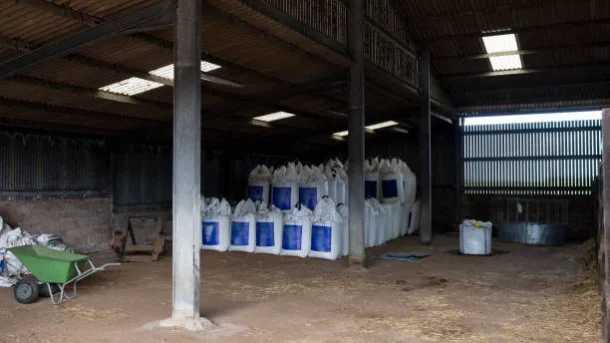
Recycling Organic Waste: Agricultural systems produce a lot of organic waste, including food waste, animal manure, and crop residues. These wastes can be seen as useful resources rather than as a nuisance. Organic waste can be recycled and converted into nutrient-rich fertilizers, biogas for energy production, or animal feed through the use of bioconversion techniques like composting, anaerobic digestion, and other processes. This ends the nutrient cycle, lessens the demand for synthetic fertilizers, and minimizes greenhouse gas emissions.

Precision agriculture technology, such as soil testing, remote sensing, and variable rate application systems, aid in the optimization of nutrient management in farming. Farmers can minimize excessive nutrient consumption, lower runoff and pollution, and increase nutrient uptake efficiency by carefully directing the application of fertilizers. This strategy stops nutrient loss, saves resources, and encourages long-term soil fertility.

Agriculture is a large user of water resources, hence water recycling and effective irrigation are important. Utilizing circular economy principles, water recycling technologies, such as rainwater collection and reuse, irrigation runoff treatment and reuse, and efficient irrigation techniques (such as drip irrigation), can help save water and lessen dependency on freshwater sources. This strategy reduces agricultural water waste and promotes the management of water resources, especially in areas with limited water supplies.

What are the recent developments in sustainable packaging for agricultural products?

sustainable packaging

Aiming to lessen the environmental impact of packaging materials, increase recyclability, and support more sustainable supply chain practices, recent advancements in sustainable packaging for agricultural products. These significant changes are listed below:

Packaging materials that are biodegradable and compostable are being developed and used more frequently. These materials are made from renewable resources. These materials provide alternatives to conventional plastic packaging, such as bioplastics derived from plant-based ingredients like corn starch or sugarcane. In natural settings, they decompose more quickly, preventing the buildup of plastic trash.

Packaging that is recycled and recyclable: Many businesses use recycled materials in their packaging, such as cardboard, paper, or plastic. Utilizing recycled materials lessens the need for new resources and aids in preventing waste from ending up in landfills. Additionally, efforts are being made to provide packaging with clear labelling and disposal instructions that is simple to recycle.

Innovative Materials: Exploring fresh sustainable packaging materials is the focus of research and development. This includes switching from conventional paper or plastic to fibers derived from plants, such as bamboo or bagasse. Other advances include the use of mycelium (packaging made from mushrooms), films made from seaweed, or edible coatings that can increase the shelf life of goods while requiring less packing.

How are governments and organizations addressing food waste and loss?

organizations

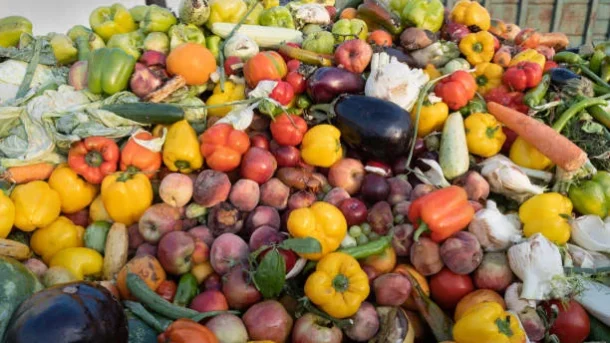
Through a variety of initiatives and tactics, governments and organizations from all over the world are actively tackling the problem of food loss and waste. Here are a few typical methods:

Awareness and Education: Through campaigns, educational initiatives, and community outreach, governments and organizations are educating the public about the effects of food loss and waste. They seek to raise awareness of the value of waste reduction and the adoption of sustainable practices among people, organizations, and communities.

Many governments have put rules and regulations in place to address food loss and waste. Setting waste reduction goals and timelines, enacting landfill restrictions on organic waste, encouraging food donations, and promoting sustainable packaging techniques are a few examples.

Food Recovery and Redistribution: Efforts are underway to recover surplus food from various stages of the supply chain and redistribute it to those in need. Governments and organizations are partnering with food banks, non-profit organization, and food rescue initiatives to facilitate the collection, storage, and distribution of excess food.

How is the use of pesticides and fertilizers being regulated and monitored?

pesticides

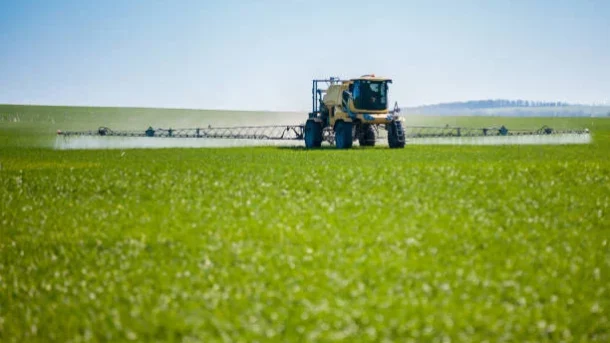
Through a combination of national and international regulatory frameworks, enforcement tactics, and monitoring programmes, the use of pesticides and fertilisers is controlled and monitored. Here are some essential components of the regulation and oversight of pesticides and fertilisers.

Regulatory frameworks: To regulate the registration, resale, and use of pesticides and fertilisers, various nations have put in place regulatory frameworks. These frameworks commonly consist of laws, rules, and policies that establish requirements for product safety, labelling specifications, application procedures, and allowable levels of pesticide residues or nutritional content in agricultural goods. The execution of these regulations is supervised by regulatory authorities, such as the Environmental Protection Agency (EPA) in the United States.

Pesticides and fertilisers must go through a rigorous registration process in order to be marketed and used legally. The provision of scientific data on product effectiveness, safety, and environmental impact is expected from manufacturers and distributors. These data are evaluated by regulatory bodies to ascertain if the products comply with the requirements for registration. Identifying suitable circumstances of usage and evaluating potential dangers connected to product use are both part of the registration procedure.

Labelling requirements: Labelling laws apply to pesticides and fertilisers in order to give users crucial information about how to use them safely and effectively. Application instructions, cautions, handling and storage recommendations, safety information, and environmental danger alerts are frequently found on labels. Additionally, labels may contain details on suggested application rates, scheduling, and targeted pests .

What are the recent advancements in agricultural biotechnology?

advancements in agricultural

Recent advancements in agricultural biotechnology have the potential to drastically alter agricultural practices. These significant changes are listed below.

Genome editing: The world of biotechnology has undergone a transformation thanks to genome editing tools like CRISPR-Cas9. These techniques make it possible to precisely alter an organism’s genetic makeup, allowing for targeted modifications to particular genes. Genome editing in agriculture has the potential to produce crops with enhanced features, such as higher yields, better nutritional value, disease resistance, and resistance to environmental pressures.

Gene stacking is the process of integrating several advantageous genes into a single crop variety. Using this method, it is possible to simultaneously incorporate several advantageous qualities into a single crop, such as insect resistance, herbicide tolerance, and disease resistance.

Synthetic biology: To develop and build novel biological components, technologies, and systems, advancements in agricultural in synthetic biology blends biology, engineering, and computer science. Synthetic biology has the potential to produce bio-based chemicals, enzymes, and other substances with added value in the field of agriculture. It also provides chances to modify microorganisms and crops for better nutrient uptake, greater productivity, and environmental sustainability.

RNA-based vaccinations: With the introduction of COVID-19 vaccines, RNA-based vaccines have attracted a lot of attention recently. RNA-based vaccinations in agriculture have the ability to manage and prevent livestock diseases like foot-and-mouth disease or avian influenza. Compared to conventional vaccine production techniques, this strategy has advantages in terms of speed, scalability, and adaptability.