Organic Inputs

How does the growing interest in organic farming impact market dynamics?

market dynamics

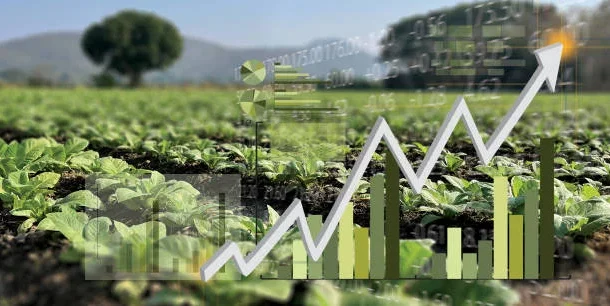
The market’s dynamics are significantly impacted by the rising popularity of organic farming, which also affects consumer behavior and different elements of the agricultural industry. Organic farming prioritizes soil health, biodiversity, and animal welfare while avoiding the use of synthetic fertilizers, pesticides, and genetically modified organisms (GMOs). Here are some ways that the growing demand for organic agriculture is influencing market dynamics:

Market Development: The demand for organic food and produce is rising as consumer knowledge of the environmental and health benefits of buying organic products rises. This rise in demand energizes the organic farming industry, increasing production and the range of organic goods on the market.

Price Premiums: Due to the perceived value of their sustainable and environmentally friendly production processes, organic products typically fetch higher costs in the market compared to conventional alternatives. Farmers are encouraged to switch to organic farming practices thanks to this price advantage.

Consumer Preferences: The interest in organic farming reflects evolving consumer preferences for food that is produced in a way that is healthier, more sustainable, and ethical. Customers are willing to spend more for organic goods that adhere to their ideals, which affects the market and the items available.

Market segmentation: The growing popularity of organic farming has given rise to a separate market for organic goods. Increased market segmentation results from retailers and food producers providing more organic products in response to this demand in market dynamics.


How do consumer preferences for non-GMO products affect the agricultural market?

non-GMO

The agriculture market may be considerably impacted by consumer preferences for non-genetically modified organism (GMO) products in a number of different ways. GMOs are organisms whose genetic makeup has been modified through the use of genetic engineering methods in order to add particular features, including improved nutrient content or insect resistance. There is a demand for non-GMO products as a result of certain consumers’ worries about the potential health and environmental effects of GMOs. On the agriculture market, the following effects of customer preferences for non-GMO products can be seen:

Market Demand and Price Premium: Farmers and food producers can fill a market niche due to the demand for non-GMO products. Due to consumer willingness to pay for perceived health and environmental benefits, non-GMO products may command a higher price than traditional or GMO counterparts.

Changes in Planting Decisions: Farmers may react to customer preferences by focusing on non-GMO or organic crops instead of GMO crops. Changes in crop acreage and production patterns may result from this.

Supply Chain & Segregation: To protect the quality of non-GMO products, GMO and non-GMOs crops must be kept apart. Separate handling, storage, and transportation facilities might be required as a result, which would complicate and increase the price of the supply chain.

Labeling and Transparency: Labeling initiatives and certification schemes have been sparked by consumer demand for non-GMOs products. Labeling that is accurate and clear promotes market transparency and assists consumers in making informed decisions.

What are the key factors driving the demand for organic agricultural products?

organic agricultural

Recent years have seen a steady increase in the demand for organic agricultural goods, which is being fueled by a mix of consumer preferences, environmental concerns, health issues, and shifting market dynamics. The demand for organic products is rising as a result of several important factors, including:

Consumer awareness of the potential health dangers linked to synthetic chemicals and pesticides used in traditional agriculture is growing, raising questions about their safety and health. As they are produced without the use of synthetic pesticides, herbicides, and genetically modified organisms (GMOs), organic products are seen as safer and healthier.

Environmental Concerns: Customers are increasingly looking for organic goods due to worries about environmental sustainability and the effects of conventional agriculture on ecosystems, soil health, and water quality. Organic agricultural methods put an emphasis on preserving soil biodiversity and using fewer chemicals.

Food Quality and Nutritional Value: According to certain research, organic foods may contain more antioxidants and specific nutrients than foods cultivated conventionally. The belief that organic foods are of higher quality and nutritional worth may increase consumer demand for them.

Concerns regarding food safety have been raised by the use of antibiotics and growth hormones in conventional animal agriculture. These additives are not used in the production of organic animal products, such as organic meat and dairy, making them more appealing to consumers who are concerned about their health.

Natural and non-GMO foods are preferred by customers, therefore organic products are produced without the use of genetically modified organisms (GMOs), which is in line with their tastes.

How are consumer preferences for organic and locally sourced products affecting the market?

organic and locally sourced

The agricultural sector has been significantly impacted by consumer demands for organic and locally sourced goods, which have changed how food is produced, marketed, and distributed. These choices are a reflection of consumers’ rising interest in sustainable and healthier food options. Here are some significant ways that the market is being impacted by consumer demand for organic and locally sourced goods:

Rising Consumer Demand for Organic Products: Organic product demand has been rising over time. Due to its alleged advantages for human health and the environment, organic agriculture, which forgoes the use of synthetic pesticides and fertilizers, is becoming more and more popular. As a result, the market for organic produce, dairy, meat, and processed meals is expanding.

The cost of organic certification, reduced yields, and constrained economies of scale frequently result in organic products being more expensive than their conventional counterparts. Farmers have been encouraged to adopt organic methods because consumers are willing to pay more for them.

Organic farming is becoming more prevalent as a result of the increased demand for organic goods. In order to satisfy customer demand, more farmers are switching to organic farming methods, and new organic farms are being founded.

Sustainable Agriculture Practices: Aside from organic farming, other agricultural practices have been influenced by consumer demand for organic goods. Farmers, even those that do not pursue organic certification, may use eco-friendly and sustainable techniques to appeal to customers who care about the environment.

How are organic and conventional agricultural products priced differently in the market?

organic and conventional

Due to numerous aspects of their production methods, demand-supply dynamics, and customer preferences, organic and conventional agricultural products are priced differently on the market. Here are some major justifications for why prices for conventional and organic goods differ:

Production expenses: When compared to conventional farming, organic farming frequently has higher production costs. Natural fertilizers, more labor-intensive approaches, and more expensive pest control techniques are often used by organic farmers.

Certification and Regulation: To meet certain organic standards and regulations, organic products need to be certified, which comes at an additional expense to farmers. There might not be the same certification standards for conventional products.

Productivity and Yields: Compared to conventional farming practices, organic farming operations may result in somewhat lower yields, which can have an impact on the market’s supply and pricing.

Market Demand: Since organic products are frequently linked to health and environmental advantages, consumer demand for them is stronger. Pricing for organic goods may increase as a result of increased demand.

Consumer Perception: Some consumers believe organic products to be safer or of greater quality, which can justify a market premium for them.

 How can agri-robotics assist in soil sampling and analysis?

agri-robotics

By automating and improving the procedure, agri-robotics can play a crucial role in soil sampling and analysis. How agri-robotics can help with soil collection and analysis is as follows:

Precision sampling instruments can be fitted on agricultural robots to enable systematic and standardized collection of soil samples. Using GPS or other positioning technologies, these robots may move around fields while adhering to pre-established sample patterns. The capacity to take samples at specified depths and locations guarantees accurate and representative soil data for examination.

High-volume sampling: Agri-robots are capable of collecting a lot of soil samples fast and effectively. They can collect samples across large regions of land while requiring less time and labor than manual sampling does. This capacity for high-volume sampling allows for greater.

Real-time data gathering: Agri-robots can be fitted with sensors and tools to capture data in real-time while collecting soil. These sensors can gauge many aspects of the soil, including its pH, nutrient content, organic matter concentration, moisture content, and compaction. Robotic data collection allows for fast feedback on the state of the soil, allowing farmers to make informed decisions about best methods for soil management.

Agri-robots can use remote sensing and imaging techniques, such as multispectral or hyperspectral imaging, to evaluate soil properties. These sensors are able to take precise photographs of the soil’s surface and identify changes in the soil’s organic matter distribution, moisture level, or composition. The use of remote sensing and imaging technologies allows for specialized soil management practices and important insights into the health of the soil.

How can agroecology contribute to sustainable agriculture?

agroecology

As an ecological method of farming, agroecology makes numerous contributions to sustainable agriculture. The following are some ways that agroecology might support sustainable agriculture:

Conservation of biodiversity: Agroecology highlights the significance of biodiversity in farming systems. Agroecology aids in biodiversity preservation by encouraging different cropping systems, crop rotations, intercropping, and the preservation of natural habitats on and around farms. Maintaining biodiversity promotes the health of ecosystems generally and the resilience of beneficial insects, pollinators, and natural pest control.

Agroecologies promotes soil health and fertility through techniques including the integration of organic matter, cover crops, crop rotation, and reduced tillage. Through these techniques, soil structure is improved, organic matter content is raised, water infiltration is improved, and erosion is decreased. Long-term production is increased by nutrient availability to plants and nutrient cycling in healthy soils.

Conservation of natural resources: Agroecology encourages the effective and sustainable use of resources such as water and energy. Water conservation strategies include rainwater collection, agroforestry systems that improve water retention and lessen runoff, and water-saving irrigation techniques. To reduce the carbon footprint of agricultural operations, agroecologies also promotes the use of renewable energy sources and energy-efficient practices.

Reduction of synthetic chemical inputs, such as pesticides and fertilizers: Agroecology encourages the reduction and prudent use of synthetic chemical inputs. Agroecology reduces dependency on chemical pesticides by applying ecological pest management techniques like biological control, crop rotation, and habitat diversification. The requirement for synthetic fertilizers is further lessened by techniques like organic fertilization, nutrient recycling, and nitrogen-fixing cover crops.

What are the advantages of using biodegradable mulch films?

biodegradable mulch films

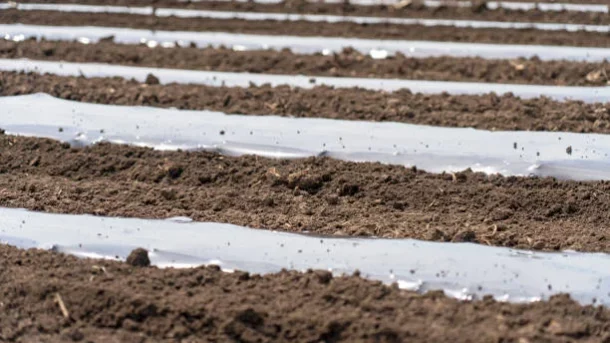
Comparing biodegradable mulch films to conventional plastic mulch films, there are a number of benefits for agricultural use. The following are the main gains of use biodegradable mulch films:

Sustainability in terms of the environment: Biodegradable mulch films are made to decompose naturally over time, preventing the buildup of plastic waste in the environment. Biodegradable mulch films break down into non-toxic, environmentally beneficial components as opposed to traditional plastic mulch films, which can linger in the soil for years. This encourages more environmentally friendly agriculture methods and lessens the harm that plastic pollution causes to the ecosystem.

Fertility and soil health: Biodegradable mulch film encourage the assimilation of organic matter and nutrient cycling, which improve soil health. These films add organic carbon to the soil as they decompose, enhancing soil structure, moisture retention, and nutrient availability. 

Biodegradable mulch film reduce the need for manual removal and disposal at the conclusion of the growing season, saving time and money. There is no need for time-consuming and expensive removal procedures because they organically decompose in the soil. This makes managing plastic mulch film less expensive for farmers because it saves time, labor, and disposal costs.

Water management: By lowering evaporation and preventing weed development, biodegradable mulch film help preserve soil moisture. These films assist preserve soil moisture by serving as a barrier between the soil and the atmosphere, which lessens the need for regular irrigation. Crop development is aided by maintaining proper soil moisture levels, particularly in dry or arid areas, and this helps agriculture conserve water.

How can agroforestry systems benefit both crops and the environment?

agroforestry systems

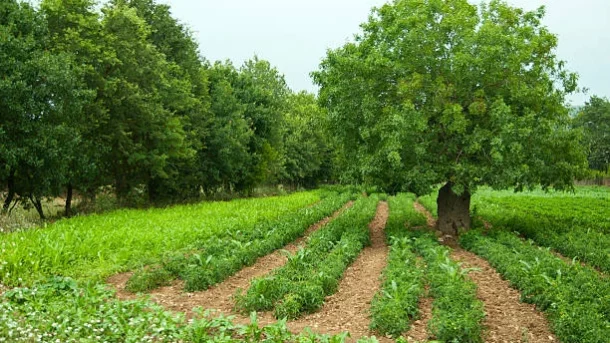
Agroforestry systems, which cultivate trees alongside agricultural crops or livestock, have several advantages for both the environment and crops. The following are some advantages of agroforestry systems:

Increased crop productivity: In agroforestry systems, trees can offer shelter, act as windbreaks, and control the microclimate, all of which promote the growth of crops. Higher yields are produced as a result of the better microenvironment, which increases agricultural productivity and lowers plant stress.

Soil fertility and conservation: Trees’ large root systems help to stabilize the soil, act as windbreaks, and reduce water runoff, all of which help to prevent soil erosion. Their organic content and fallen leaves help to promote soil fertility and the cycling of nutrients, which benefits crop growth.

Increased crop diversity introduced by agroforestry systems can increase resistance against pests, diseases, and extreme weather events. Trees can act as a barrier against climatic changes, minimizing the effects of drought or heavy rainfall on crops.

Trees in agroforestry system assist control the availability and use of water. Their root systems enhance groundwater recharge and water infiltration, lowering the possibility of crop-damaging soil moisture shortages. Additionally, trees have the ability to function as living pumps that can extract water from deeper soil layers and deliver it to crops.

What are the benefits of using biological fertilizers in agriculture?

biological fertilizers

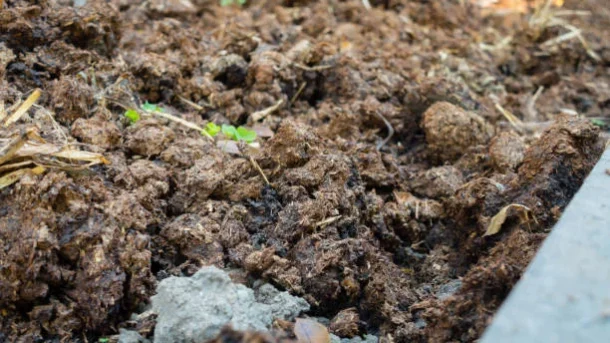
Biological fertilizers, usually referred to as biofertilizers, have a number of advantages in agricultural methods. Some of the main advantages of employing organic fertilizers are as follows:

Increased Nutrient Availability: Biological fertilizers contain helpful microorganisms that increase the availability of nutrients in the soil, such as nitrogen-fixing bacteria, phosphate-solubilizing bacteria, or mycorrhizal fungi. These microbes transform or saturate nutrients so that plants can access them more easily. Therefore, biological fertilizer encourage improved crop nutrient uptake and utilization.

Biological fertilizer aid in the management of nutrients in agriculture in a sustainable way. They lessen the reliance on synthetic fertilizers, which may have detrimental effects on the environment, by utilizing natural processes and biological interactions. Biological fertilizer encourage long-term soil health and fertility while supporting the natural nutrient cycling.

Environmentally Friendly: Biological fertilizers are safer than chemical fertilizers for the environment. They minimize the possibility of nutrient leaching or runoff, which can lead to water contamination, by releasing nutrients gradually and under controlled conditions. Additionally, the risk of environmental pollution is decreased by the absence of dangerous chemicals or heavy metals in biological fertilizer.

Improved Soil Health: By encouraging beneficial microbial activity and soil biodiversity, biological fertilizers enhance soil health. The microorganisms found in biofertilizers help improve soil structure, nutrient cycling, and organic matter breakdown. Because of the improved soil fertility, moisture retention, and general soil health, crops grow and produce more effectively.