As an ecological method of farming, agroecology makes numerous contributions to sustainable agriculture. The following are some ways that agroecology might support sustainable agriculture:
Conservation of biodiversity: Agroecology highlights the significance of biodiversity in farming systems. Agroecology aids in biodiversity preservation by encouraging different cropping systems, crop rotations, intercropping, and the preservation of natural habitats on and around farms. Maintaining biodiversity promotes the health of ecosystems generally and the resilience of beneficial insects, pollinators, and natural pest control.
Agroecologies promotes soil health and fertility through techniques including the integration of organic matter, cover crops, crop rotation, and reduced tillage. Through these techniques, soil structure is improved, organic matter content is raised, water infiltration is improved, and erosion is decreased. Long-term production is increased by nutrient availability to plants and nutrient cycling in healthy soils.
Conservation of natural resources: Agroecology encourages the effective and sustainable use of resources such as water and energy. Water conservation strategies include rainwater collection, agroforestry systems that improve water retention and lessen runoff, and water-saving irrigation techniques. To reduce the carbon footprint of agricultural operations, agroecologies also promotes the use of renewable energy sources and energy-efficient practices.
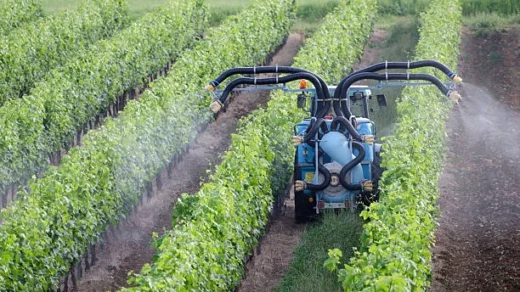
Reduction of synthetic chemical inputs, such as pesticides and fertilizers: Agroecology encourages the reduction and prudent use of synthetic chemical inputs. Agroecology reduces dependency on chemical pesticides by applying ecological pest management techniques like biological control, crop rotation, and habitat diversification. The requirement for synthetic fertilizers is further lessened by techniques like organic fertilization, nutrient recycling, and nitrogen-fixing cover crops.