Bio Fertilizer

Can biofertilizers be used in combination with soil amendments like gypsum?

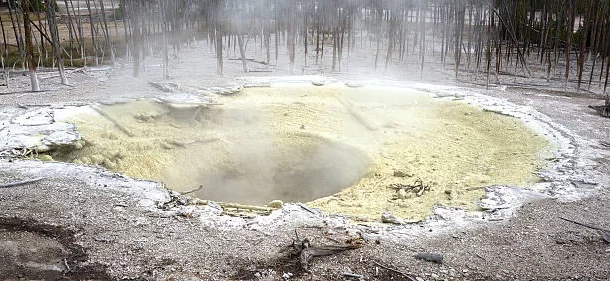
gypsum

The use of gypsum, a popular soil amendment, in conjunction with biofertilizers can be advantageous in the following ways:

Gypsum is frequently used to enhance soil aggregation and reduce compaction in order to improve soil structure. It aids in the flocculation of clay particles, facilitating improved root penetration and water infiltration. By encouraging microorganisms to produce polysaccharides and glue, which aid in soil aggregation, biofertilizers can further help the improvement of soil structure.

Gypsum can increase the availability of several minerals, especially calcium and sulfur, without directly supplying those elements. By improving nutrient solubilization and nutrient uptake efficiency, biofertilizers can complement this impact and make nutrients more available to plants.

Nutrient imbalances can occasionally be brought on by the excessive use of particular fertilizers or the presence of unfavorable soil conditions. Gypsum can help correct particular nutritional imbalances by raising soil pH and enhancing nutrient uptake. Through their interactions with plants and the soil microbial population, biofertilizers can help to promote a more balanced nutrient profile.

Gypsum can assist plants in surviving in salty or sodic soils, which are characterized by high sodium levels. Gypsum can increase the stress tolerance of plants by improving soil structure and lowering salt toxicity. When used in conjunction, biofertilizers can improve root development and nutrient uptake, making plants more resistant to environmental stresses and boosting stress tolerance.


What are the differences between biofertilizers and bioinoculants?

biofertilizers and bioinoculants

The biological compounds known as biofertilizers and bioinoculants are both used in agriculture to improve soil fertility and plant growth. Although biofertilizers and bioinoculants are parallels between the two, there are also clear differences:

Definition:

Biofertilizers: Biofertilizers are organic compounds that have living microorganisms such as bacteria, fungi, or algae in them. These living organisms interact with the soil, plants, and plants’ ability to absorb nutrients, making them more available to plants and promoting their overall growth. By enhancing soil health and minimizing reliance on artificial fertilizers, they support sustainable agriculture.

organisms that are present:

Plant growth-promoting rhizobacteria (PGPR), phosphate-solubilizing bacteria, potassium-solubilizing bacteria, and nitrogen-fixing bacteria are just a few of the helpful microorganisms that may be present in biofertilizers.

Process of action:

Biofertilizers: By enhancing nutrient availability and uptake, fixing atmospheric nitrogen, resolving inaccessible nutrients, and encouraging beneficial microbial activities in the rhizosphere, biofertilizers improve soil fertility and plant growth.

Application strategy

Biofertilizers: Applied directly to the soil or seed, biofertilizers offer a wide range of advantages to numerous plants nearby.

Target plants:

Biofertilizers: In a variety of agricultural and horticultural settings, biofertilizers can be used to promote nutrient availability and growth in a wide range of crops and plants.

Bioinoculants: In general, bioinoculants are intended for particular crop types. For instance, although mycorrhizal bioinoculants are suitable for a variety of crops, trees, and shrubs, rhizobium bioinoculants are intended exclusively for leguminous plants.

How do biofertilizers influence the plant’s root development?

influence

Through a number of processes, biofertilizers can influence plant root development favorably. Different kinds of biofertilizers, like mycorrhizal fungi and certain bacteria that promote plant growth, are crucial in fostering root growth and branching. Here is how biofertilizers affect the growth of plant roots:

Mycorrhizal associations: Mycorrhizal fungi collaborate symbiotically with plant roots to form mycorrhizae, a mutualistic interaction. These fungi efficiently extend the plant’s root system by extending their hyphae (fine filaments) into the soil. Plants can influence more nutrients and water thanks to the assistance of mycorrhizae, especially those that are less mobile or readily available to the plant.

Facilitating nutrient uptake: Mycorrhizal fungi have a special capacity to acquire and absorb nutrients from the soil and transmit them to the plant.

Production and control of hormones: Some biofertilizers, notably a few microorganisms that promote plant development, create plant hormones like auxins and cytokinins. These hormones are essential for root development because they encourage root elongation, branching, and the general structure of the root system.

Increased nutritional availability: Some biofertilizers, such as nitrogen-fixing bacteria, transform atmospheric nitrogen into forms that plants can use, increasing the plant’s access to vital nutrients. Root growth is encouraged to support higher nutrient uptake with an enhanced nutrient supply.

Stress resistance: Biofertilizers can increase a plant’s resistance to certain abiotic conditions, like salinity and drought. Root growth is less hindered and root systems stay healthy and active even under stressful situations when plants are better able to handle stress.

Can biofertilizers be used in large-scale agricultural practices?

agricultural

Several factors make biofertilizers suitable for use in industrial agricultural, including the following:

Environmental advantages: Large-scale agricultural enterprises frequently struggle with issues including fertilizer runoff, degraded soil, and greenhouse gas emissions. These negative effects on the environment can be lessened by employing biofertilizers, which encourage nutrient cycling, decrease the demand for synthetic fertilizers, and enhance soil health.

Reduced reliance on synthetic chemical fertilizers, which can be expensive and have negative environmental effects when used excessively, is possible with the use of biofertilizers. The use of chemical fertilizers can be decreased by incorporating biofertilizers into industrial farming, which will result in financial savings and a smaller environmental impact.

Productivity and soil health: Because of intense farming techniques, large-scale agriculture can occasionally cause soil deterioration. Long-term improvements in soil health, organic matter content, and nutrient availability can be made with the use of biofertilizers, which can also increase soil fertility and productivity.

Water conservation: By encouraging higher nutrient uptake, boosting root development, and lowering nutrient leaching, biofertilizers can increase water use efficiency. Biofertilizers can help with water conservation in large-scale agriculture, where water resources are frequently limited.

Sustainable certification and market demands: Many customers and market outlets are giving more weight to agricultural products that have been produced sustainably. The use of biofertilizers in industrial agriculture.

What are the factors that influence the effectiveness of biofertilizers?

effectiveness

There are a number of variables that can affect how successful effectiveness biofertilizers are, including:

Different kinds of biofertilizers contain various helpful microorganisms, including bacteria that fix nitrogen, those that dissolve phosphate, mycorrhizal fungus, and those that encourage plant growth. The impact of a certain type of biofertilizer on nutrient availability, plant development, and general soil health will depend on the type that is employed.

Type of soil: The performance of biofertilizers can be influenced by the properties of the soil, including its texture, pH, amount of organic matter, and nutrient levels. Understanding the qualities of the soil is essential for selecting the best biofertilizer because some biofertilizers may be more successful in particular soil types.

Climate and environmental factors can have an impact on the survival and activity of the microorganisms in the biofertilizer, including temperature, humidity, and moisture availability. Some biofertilizers might be more suited to certain climate zones.

Crop type: Different crops demand different amounts of nutrients and interact in different ways with microbes. Depending on the particular crop being grown, biofertilizers may have varying degrees of efficiency.

Use the right application techniques to make sure the biofertilizer gets to the roots and soil of the target plants. The effectiveness of using biofertilizers can be influenced by the time, dose, and administration methods.

How do biofertilizers affect soil compaction?

soil compaction

By enhancing soil structure and encouraging root development, biofertilizers can indirectly affect soil compaction. Although biofertilizers do not it self immediately reduce soil compaction, their effects on plant development and soil health can eventually result in lessened soil compaction. How biofertilizers affect soil compaction are as follows:

Improvement of soil structure: Some biofertilizers contain microorganisms that make glue- and polysaccharide-producing chemicals. These chemicals aid in the formation of aggregates by binding soil granules together. Larger pore spaces produced by soil aggregates enhance soil structure by facilitating better water uptake and root penetration. Because they resist the forces that cause soil particles to pack tightly together, well-structured soils are less likely to get compacted.

Root system development: Biofertilizers that promote plant growth, such as mycorrhizal fungi and bacteria, can improve the development and branching of roots. Compacted soil layers can be physically broken up by a larger and more developed root system, which lowers soil density and increases soil aeration.

Water infiltration: In addition to enhancing soil structure, biofertilizers can also increase water penetration. Water helps to soften compacted soil layers so that plant roots may more easily break them up when it permeates the soil more effectively.

Decomposition of organic matter: Some biofertilizers contain microbes that quicken the soil’s organic matter decomposition. As organic matter decomposes, it helps to create humus, which enhances soil structure and lessens compaction.

Can biofertilizers help reduce the need for irrigation?

reduce

Efficiency of nutrient uptake increased: Biofertilizers increase the availability of nutrients in the soil, which may result in plants absorbing nutrients more effectively. Plants are better able to reduce water stress and make better use of the water that is available when they get the essential nutrients in a timely manner.

Improved root development: Mycorrhizal fungi, a type of biofertilizer, work in symbiotic partnerships with plant roots to encourage branching and growth. Plants with well-developed root systems are more drought-resistant because they can search a wider area of soil for water.

Stress tolerance: A plant’s ability to withstand drought and other abiotic stress conditions can be improved by several biofertilizers, including specific bacteria and biostimulants that promote plant development. When plants are more capable of coping with water shortages, they can continue to grow and reduce when irrigation.

What are the storage requirements for biofertilizers?

storage

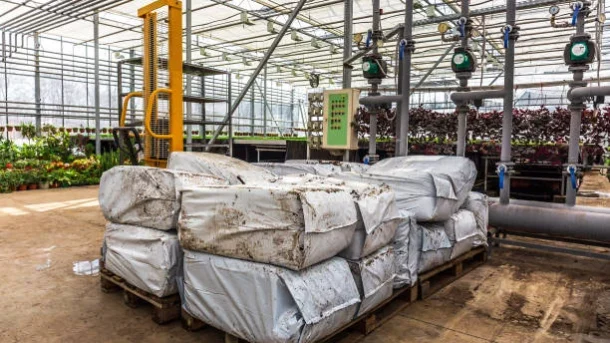
To keep biofertilizers viable and effective, storage must be done properly. The type of biofertilizer and its formulation will determine how long it has to be stored. Here are some general recommendations for storing biofertilizers, though:

Cool and dry conditions: To stop moisture absorption and microbial growth, biofertilizers should be storage in a cool and dry environment. Moisture can make the helpful microorganisms in the biofertilizer less viable, which lowers their efficiency.

Avoid direct sunlight: Direct sunlight might cause temperature changes and harm to the biofertilizer’s microorganisms. Biofertilizers should be kept in a shady place to avoid exposure to extreme heat and light.

Use airtight containers or sealed packaging to prevent air exposure, which can cause the biofertilizer to dry up or become contaminated with undesirable microbes.

Clearly mark the product name, manufacture date, and expiration date on each biofertilizer container to ensure proper labeling and date monitoring. By monitoring the shelf life, it is possible to make sure that older batches are utilized before more recent ones.

Check the viability and quality of stored biofertilizers on a regular basis. Microbial viability testing is one example of a quality control measure that can assist guarantee the product’s continued efficacy.

How do nitrogen-fixing bacteria convert atmospheric nitrogen into usable forms?

atmospheric nitrogen

Biological nitrogen fixation is the process by which nitrogen-fixing bacteria transform atmospheric nitrogen (N2) into forms that can be used. The roots of some plants, referred to as legumes (e.g., soybeans, peas, and clover), develop into specialized organs called nodules, where this amazing process occurs. These leguminous plants form a symbiotic relationship with the nitrogen-fixing bacteria, which in turn gives them a necessary nutrient in exchange for obtaining carbohydrates and other organic compounds as sustenance. This is how the procedure goes:

Leguminous plants that are grown in nitrogen-deficient soils release special chemical signals known as flavonoids that lead to the production of nodules. The Rhizobium, Bradyrhizobium, and Azorhizobium species of nitrogen-fixing bacteria that are prevalent in the soil are drawn to these flavonoids.

Infection and colonization: The nitrogen-fixing bacteria travel toward the roots of the plant in response to the flavonoids, starting the process of infection. Infectious threads are created by the bacteria when they pass through the root hairs and enter the root cortex, where they continue to proliferate and disseminate throughout the root cells.

Nodule formation: The plant develops a nodule on its roots as the infected threads keep expanding. The bacteria and plant cells coexist inside the nodule to form a special environment known as the symbiosome. The root cells’ symbiosome, a membrane-bound compartment, is where the nitrogen fixation process happens.

Nitrogen fixation: The nitrogen-fixing bacteria in the symbiosome create an enzyme called nitrogenase that turns atmospheric nitrogen (N2) into ammonia (NH3). 

Can biofertilizers be used in conjunction with biostimulants?

biostimulants

The processes by which biostimulants and biofertilizers function differently allow for a variety of ways in which their combined use can be beneficial:

Biofertilizers contain helpful microbes that assist solubilize nutrients, making them more available to plants. This increases nutrient availability and uptake efficiency. Biostimulants, which promote the plant’s uptake and effective utilization of these nutrients, can assist the action of biofertilizers by increasing the availability of nutrients in the soil.

Stress tolerance: Biostimulants can improve a plant’s resistance to abiotic stresses like heat, salinity, and drought. When used in conjunction with biofertilizers, which offer vital nutrients and enhance general plant health, plants become more tenacious and better able to handle stressful situations.

Root development and growth: Strong root systems are encouraged by some biofertilizers, particularly mycorrhizal fungi, while biostimulants can increase root growth and branching. Together, these compounds improve root architecture, enhancing the capacity for nutrient and water absorption.

Crop yield and quality: Using biostimulants and fertilizers together can result in higher crop yields and better crop quality. Better plant development and greater production are facilitated by these products’ increased nutrient uptake and stress tolerance.

Environmental advantages: Combining biostimulants and biofertilizers can cut down on the use of synthetic chemical fertilizers and growth promoters. As a result, there may be less negative effects on the environment, such as fewer greenhouse gas emissions, less nutrient runoff, and less pollution.