There are a number of variables that can affect how successful effectiveness biofertilizers are, including:
Different kinds of biofertilizers contain various helpful microorganisms, including bacteria that fix nitrogen, those that dissolve phosphate, mycorrhizal fungus, and those that encourage plant growth. The impact of a certain type of biofertilizer on nutrient availability, plant development, and general soil health will depend on the type that is employed.
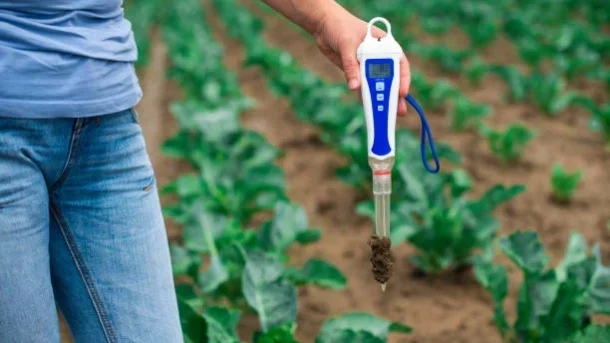
Type of soil: The performance of biofertilizers can be influenced by the properties of the soil, including its texture, pH, amount of organic matter, and nutrient levels. Understanding the qualities of the soil is essential for selecting the best biofertilizer because some biofertilizers may be more successful in particular soil types.
Climate and environmental factors can have an impact on the survival and activity of the microorganisms in the biofertilizer, including temperature, humidity, and moisture availability. Some biofertilizers might be more suited to certain climate zones.
Crop type: Different crops demand different amounts of nutrients and interact in different ways with microbes. Depending on the particular crop being grown, biofertilizers may have varying degrees of efficiency.
Use the right application techniques to make sure the biofertilizer gets to the roots and soil of the target plants. The effectiveness of using biofertilizers can be influenced by the time, dose, and administration methods.