Bio Fertilizer

Are there any alternatives to chemical fertilizers that can be used in agriculture?

Organic Fertilizers: Organic fertilizers are made from organic waste, compost, animal dung, and other naturally occurring elements. They enhance soil structure and organic matter levels while gradually releasing nutrients. Numerous nutrients, including as nitrogen, phosphorous, potassium, and micronutrients, are offered by organic fertilizers. They also support advantageous soil microbial populations and improve the long-term fertility of the soil.

Crops known as “cover crops” are raised largely for the purpose of enhancing and defending the soil. They are planted as a crop rotation or in between main crop seasons. Increased organic matter content, improved soil structure, and decreased soil erosion are all benefits of cover crops. Nitrogen is especially released when cover crops are absorbed into the soil, making it available for succeeding crops.

Crop rotation is the process of gradually changing the crops that are cultivated in a given region. It improves soil fertility, lessens nutritional imbalances, and aids in breaking pest and disease cycles. Because different crops have different fertilizer needs, nutrient demands can be better controlled by rotating crops. For instance, legume plants may fix nitrogen from the air, lowering the demand for nitrogen fertilizers in ensuing crops.

Green manure: Growing particular plants, primarily legumes, and then integrating them into the soil while they are still green and actively growing is referred to as this method. Green manure crops enrich the soil with organic matter, enhance soil structure, and release nutrients as they break down. For following crops, they can act as a supply of nitrogen and other nutrients.

How does the limited access to affordable and environmentally friendly farm inputs hinder sustainable agriculture?

farm inputs

Sustainable agriculture may be hampered by the restricted availability of inexpensive and ecologically acceptable farm inputs in a number of ways:

Restricted Adoption of Sustainable Practises: Environmentally friendly inputs including organic fertilisers, biopesticides, and biological control agents are frequently needed in sustainable agriculture. Farmers may, however, turn to traditional inputs that might have detrimental environmental effects, including synthetic fertilisers and chemical pesticides, if these inputs are not easily accessible or reasonably priced. Farmers’ inability to adopt and put into practise sustainable practices is hampered by limited availability to sustainable inputs, which jeopardises agriculture’s overall sustainability.

Degradation of the soil and nutrient imbalance: Sustainable agriculture emphasises the need of preserving the fertility and health of the soil. Farmers may, however, significantly rely on synthetic fertilizers if they don’t have access to inexpensive organic fertilizers and soil amendments.

Increased Production prices: Compared to conventional inputs, environmentally friendly inputs like organic fertilizers or biological pest control agents may have higher upfront prices. Farmers’ production costs may rise as a result of limited access to inexpensive solutions, making sustainable practices unprofitable. The adoption of sustainable farming practices by farmers may be discouraged as a result, and the shift to more environmentally friendly production systems may be hampered.

Dependence on External Inputs: A cycle of dependence on external inputs can be sustained by limited availability to inexpensive and sustainable farm inputs. Due to increased reliance on pricey synthetic fertilisers, toxic pesticides, and other external inputs, farmers may experience greater production costs, decreased profitability, and increased market vulnerability. Additionally, it hinders the capacity of farmers to build resilience and self-sufficiency within their farming systems.

How does the absence of supportive policies and incentives hinder the adoption of sustainable farming practices?

policies

High expenses and financial risks: Investing in infrastructure, tools, and training up front is frequently necessary for sustainable farming techniques. Farmers may have financial obstacles in implementing these methods in the absence of supportive policies and incentives. Particularly for small-scale farms with limited resources, the absence of accessible inexpensive loans or financial support can deter farmers from making the essential investments.

Lack of technical expertise: Adopting sustainable farming methods frequently calls for technical expertise and training. Without enabling policies, farmers may only have limited access to consulting services, extension services, and training programs. Farmers may not be aware of the advantages or lack the skills necessary to adopt sustainable practices efficiently due to this lack of information and assistance, which can make it difficult for them to grasp and put them into practice.

Uncertain market opportunities: Adapting crop selection, production techniques, or certification procedures may be necessary for sustainable farming practices. Farmers may be unsure of the market demand for sustainably produced commodities or the economic sustainability of switching to sustainable methods in the absence of supportive regulations and market incentives. Farmers may be deterred from making the necessary adjustments by this uncertainty because they may worry about having limited market access or receiving low returns on their investments.

Limited availability of inputs and resources: In order to undertake sustainable farming, it is frequently necessary to have access to particular inputs and resources, such as organic fertilizers, biological pest control techniques, or better seeds. These resources might be more difficult for farmers to get or more expensive in the absence of supportive policies.

How does the lack of awareness and education about sustainable farming practices hinder progress in the sector?

sustainable farming

Resistance to change: Without knowledge of and instruction in sustainable farming methods, farmers could not understand the advantages and significance of implementing sustainable practices. They might still rely on antiquated, ineffective methods that could be damaging to the environment. Lack of knowledge can lead to resistance to change, which can obstruct the adoption of sustainable methods and the advancement of agricultural sustainability.

Degradation of the soil and decreased productivity: To maintain the fertility and health of the soil, it is crucial to employ sustainable farming methods such crop rotation, conservation tillage, and organic fertilizer. Farmers may continue to use extensive chemical inputs, excessive tillage, or monocropping without being aware of and educated about these practices, resulting in soil deterioration, erosion, and decreased long-term productivity.
The efficient use of water resources, the decrease of chemical inputs, and the proper management of agricultural runoff are all promoted by sustainable farming methods. This reduces water pollution and the depletion of resources. Without awareness and instruction, farmers may unwittingly use excessive amounts of agrochemicals, dispose of trash improperly, or utilize insufficient irrigation techniques that lead to water contamination. The development of ecologically sustainable agriculture might be hampered by the depletion of water resources and the polluting of water bodies caused by a lack of knowledge about sustainable water management practices.

Environmentally harmful effects: Sustainable farming methods work to reduce harmful effects on the environment, such as greenhouse gas emissions, habitat degradation, and biodiversity loss. Farmers might not be aware of the links between their farming practices and these environmental problems, though, without knowledge and education.

What are the challenges and opportunities in agricultural water management?

water management

Water Scarcity: Managing water use in agriculture is difficult due to water scarcity, which is caused by variables including population growth, climate change, and competition for water supplies. Particularly in arid and semi-arid areas, a lack of water can reduce agricultural productivity and increase farmers’ susceptibility.

Efficiency of Irrigation: Irrigation is a key component of many agricultural systems, and poor irrigation techniques can waste water and make it less available for other uses. Low irrigation efficiency and potential water scarcity are caused by subpar irrigation methods, old infrastructure, and inefficient water management.

Water Pollution: The runoff of fertilizers, pesticides, and animal waste into water bodies is one way that agricultural activities can contribute to water pollution. The quality of the water, aquatic ecosystems, and human health may all be negatively impacted by this.

Impacts of climate change include increased frequency of extreme weather events, altered hydrological cycles, and uncertainty and variability in rainfall patterns. These adjustments present difficulties for agricultural water management, necessitating adaptation tactics like better water storage, effective irrigation methods, and water saving practices.

What are the current discussions on the impact of agriculture on climate change?

agriculture

Greenhouse Gas Emissions: Agriculture is a major source of greenhouse gas (GHG) emissions, particularly through the production of nitrous oxide (from fertilizers and manure management) and methane (from cattle and rice agriculture). Strategies to lower these emissions are discussed, including better fertilizer management, the adoption of low-emission livestock systems, and the promotion of more environmentally friendly rice growing methods.

A considerable amount of carbon dioxide is released into the atmosphere as a result of deforestation and land use change caused by agriculture, particularly the expansion of agricultural land. The discussions center on stopping deforestation, safeguarding forests and other natural ecosystems, and encouraging climate change mitigation strategies including agroforestry and replanting.

Discussions have focused on how agriculture has the ability to store carbon in soils, which can reduce greenhouse gas emissions. Improved soil health can aid in carbon sequestration and increase agricultural sustainability through techniques including cover crops, conservation tillage, and organic matter additions.

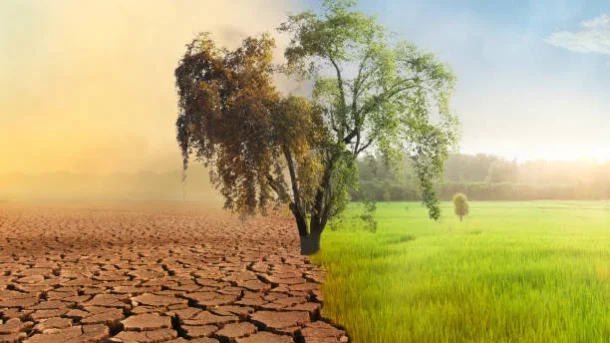
Adaptation and Resilience: Agricultural systems face difficulties as a result of climate change effects such as altered precipitation patterns, an increase in the frequency of extreme weather events, and temperature swings. The adoption of climate-resilient crop varieties, water management techniques, and system diversification are just a few examples of how resilience and adaptive ability are being built into agricultural practices and systems.

How is the use of biodegradable and compostable materials being promoted in agriculture?

biodegradable

In an effort to lessen its negative effects on the environment and to promote sustainability, agriculture is encouraged to employ biodegradable and compostable materials. The following are some strategies for promoting the use of such materials:

Films for packaging and mulching: In place of conventional plastic films, biodegradable and compostable materials are utilized for packaging and mulching in agriculture. Long-term environmental damage can be avoided and plastic waste reduced by using these materials, which can naturally decompose over time. They can be produced using a variety of materials, including bioplastics created from naturally occurring materials like plant starch, cellulose, or polylactic acid (PLA).

Planting Containers and Pots: For the growth of seedlings, biodegradable containers and pots composed of materials like coconut coir, wood fibre, or moulded plant-based polymers are employed.

Crop coverings and Tunnels Made of Biodegradable Materials: Crop coverings and tunnels are made of decomposable materials, such as bioplastic or natural fibers. These materials offer defense against insects, severe weather, and temperature swings. They gradually disintegrate naturally, obviating the need for removal and disposal and lowering waste production.

Biodegradable Mulches: biodegradable mulches derived from substances such as starch, cellulose, or decomposable polymers are becoming more and more well-liked. Similar to conventional plastic mulches, these mulches reduce weed development, preserve soil moisture, and enhance crop performance. However, they organically decompose after the growth season, negating the requirement for removal and disposal of plastic.

How is the concept of circular economy being applied in the agricultural sector?

circular economy

The agricultural industry is rapidly using the idea of a circular economy to support sustainability, resource efficiency, and waste reduction. Here are some examples of how the circular economy’s ideas are being applied to agriculture:

Recycling Organic Waste: Agricultural systems produce a lot of organic waste, including food waste, animal manure, and crop residues. These wastes can be seen as useful resources rather than as a nuisance. Organic waste can be recycled and converted into nutrient-rich fertilizers, biogas for energy production, or animal feed through the use of bioconversion techniques like composting, anaerobic digestion, and other processes. This ends the nutrient cycle, lessens the demand for synthetic fertilizers, and minimizes greenhouse gas emissions.

Precision agriculture technology, such as soil testing, remote sensing, and variable rate application systems, aid in the optimization of nutrient management in farming. Farmers can minimize excessive nutrient consumption, lower runoff and pollution, and increase nutrient uptake efficiency by carefully directing the application of fertilizers. This strategy stops nutrient loss, saves resources, and encourages long-term soil fertility.

Agriculture is a large user of water resources, hence water recycling and effective irrigation are important. Utilizing circular economy principles, water recycling technologies, such as rainwater collection and reuse, irrigation runoff treatment and reuse, and efficient irrigation techniques (such as drip irrigation), can help save water and lessen dependency on freshwater sources. This strategy reduces agricultural water waste and promotes the management of water resources, especially in areas with limited water supplies.

How are governments and organizations addressing food waste and loss?

organizations

Through a variety of initiatives and tactics, governments and organizations from all over the world are actively tackling the problem of food loss and waste. Here are a few typical methods:

Awareness and Education: Through campaigns, educational initiatives, and community outreach, governments and organizations are educating the public about the effects of food loss and waste. They seek to raise awareness of the value of waste reduction and the adoption of sustainable practices among people, organizations, and communities.

Many governments have put rules and regulations in place to address food loss and waste. Setting waste reduction goals and timelines, enacting landfill restrictions on organic waste, encouraging food donations, and promoting sustainable packaging techniques are a few examples.

Food Recovery and Redistribution: Efforts are underway to recover surplus food from various stages of the supply chain and redistribute it to those in need. Governments and organizations are partnering with food banks, non-profit organization, and food rescue initiatives to facilitate the collection, storage, and distribution of excess food.

How is the use of pesticides and fertilizers being regulated and monitored?

pesticides

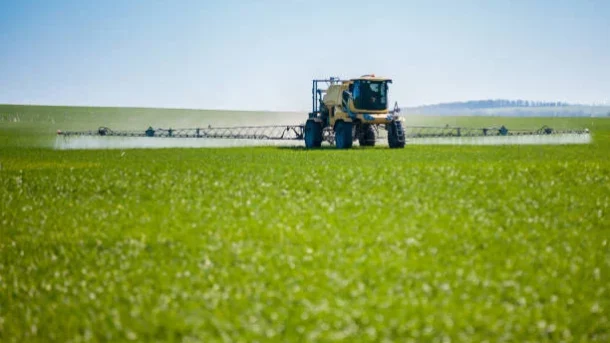
Through a combination of national and international regulatory frameworks, enforcement tactics, and monitoring programmes, the use of pesticides and fertilisers is controlled and monitored. Here are some essential components of the regulation and oversight of pesticides and fertilisers.

Regulatory frameworks: To regulate the registration, resale, and use of pesticides and fertilisers, various nations have put in place regulatory frameworks. These frameworks commonly consist of laws, rules, and policies that establish requirements for product safety, labelling specifications, application procedures, and allowable levels of pesticide residues or nutritional content in agricultural goods. The execution of these regulations is supervised by regulatory authorities, such as the Environmental Protection Agency (EPA) in the United States.

Pesticides and fertilisers must go through a rigorous registration process in order to be marketed and used legally. The provision of scientific data on product effectiveness, safety, and environmental impact is expected from manufacturers and distributors. These data are evaluated by regulatory bodies to ascertain if the products comply with the requirements for registration. Identifying suitable circumstances of usage and evaluating potential dangers connected to product use are both part of the registration procedure.

Labelling requirements: Labelling laws apply to pesticides and fertilisers in order to give users crucial information about how to use them safely and effectively. Application instructions, cautions, handling and storage recommendations, safety information, and environmental danger alerts are frequently found on labels. Additionally, labels may contain details on suggested application rates, scheduling, and targeted pests .