Nutrient requirement

How does the lack of awareness and education about sustainable farming practices hinder progress in the sector?

sustainable farming

Resistance to change: Without knowledge of and instruction in sustainable farming methods, farmers could not understand the advantages and significance of implementing sustainable practices. They might still rely on antiquated, ineffective methods that could be damaging to the environment. Lack of knowledge can lead to resistance to change, which can obstruct the adoption of sustainable methods and the advancement of agricultural sustainability.

Degradation of the soil and decreased productivity: To maintain the fertility and health of the soil, it is crucial to employ sustainable farming methods such crop rotation, conservation tillage, and organic fertilizer. Farmers may continue to use extensive chemical inputs, excessive tillage, or monocropping without being aware of and educated about these practices, resulting in soil deterioration, erosion, and decreased long-term productivity.
The efficient use of water resources, the decrease of chemical inputs, and the proper management of agricultural runoff are all promoted by sustainable farming methods. This reduces water pollution and the depletion of resources. Without awareness and instruction, farmers may unwittingly use excessive amounts of agrochemicals, dispose of trash improperly, or utilize insufficient irrigation techniques that lead to water contamination. The development of ecologically sustainable agriculture might be hampered by the depletion of water resources and the polluting of water bodies caused by a lack of knowledge about sustainable water management practices.

Environmentally harmful effects: Sustainable farming methods work to reduce harmful effects on the environment, such as greenhouse gas emissions, habitat degradation, and biodiversity loss. Farmers might not be aware of the links between their farming practices and these environmental problems, though, without knowledge and education.
How is the lack of access to affordable and reliable agricultural inputs hindering farmers’ productivity?

lack of access

Limited Access to High-Quality Seeds: High agricultural yields and crop resilience depend on the use of high-quality seeds. However, a lot of small-scale farmers, especially in developing nations, find it difficult to get hold of high-quality seeds that are tailored to their regional requirements. The ability of farmers to increase agricultural yield and adjust to shifting environmental conditions is constrained by a lack of access to superior varieties and dependable seed sources.

Insufficient access to nutrients and fertilizers: Fertilizers are crucial for improving soil fertility and restoring missing nutrients. However, farmers find it challenging to access and use fertilizers efficiently due to their high cost and restricted availability in far-off locations. nitrogen deficits, soil deterioration, and decreased crop yields can result from inadequate access to fertilizers and nitrogen inputs.

Limited Access to High-Quality Seeds: High agricultural yields and crop resilience depend on the use of high-quality seeds. However, a lot of small-scale farmers, especially in developing nations, find it difficult to get hold of high-quality seeds that are tailored to their regional requirements. The ability of farmers to increase agricultural yield and adjust to shifting environmental conditions is constrained by a lack of access to superior varieties and dependable seed sources.

Insufficient access to nutrients and fertilizers: Fertilizers are crucial for improving soil fertility and restoring missing nutrients. However, farmers find it challenging to access and use fertilizers efficiently due to their high cost and restricted availability in far-off locations. nitrogen deficits, soil deterioration, and decreased crop yields can result from inadequate access to fertilizers and nitrogen inputs.

How are farmers adopting agroecological practices for biodiversity conservation?

biodiversity

Crop Diversity: By adding a greater diversity of crop species, types, and landraces, farmers are enhancing biodiversity in their cropping systems. This lowers the possibility of pest and disease outbreaks, promotes a diversity of pollinators and helpful insects, and aids in the creation of various habitats. Crop variety also improves the health of the soil, the cycling of nutrients, and the demand for outside inputs.

Agroforestry: Agroforestry is the practice of combining trees or shrubs with animals or crops on the same piece of land. Farmers can create more habitats, enhance biodiversity, and improve microclimate conditions by adding trees into their agricultural landscapes. Agroforestry systems also help to produce a variety of goods, including lumber, fruits, and feed, which benefits farmers financially.

Conservation of Habitat: Farmers are designating areas on their properties for the preservation of habitat. Field margins, buffer zones, hedgerows, and fallow fields are a few examples of these places. These ecosystems provide as a haven for helpful animals including birds, insects, and other wildlife, which promotes biodiversity and helps with natural pest management. Some farmers also build wetlands or ponds on their properties, which are crucial breeding grounds for amphibians and aquatic life.

Natural Pest Control: Agroecological approaches put a lot of emphasis on encouraging beneficial insects, birds, and other naturally occurring pest enemies in order to promote natural pest control mechanisms. Farmers can entice beneficial organisms by offering nesting places, food sources, and shelters. As a result, the agroecosystem’s ecological balance is supported and the use of chemical pesticides is decreased.

What are the current discussions on the impact of agriculture on climate change?

agriculture

Greenhouse Gas Emissions: Agriculture is a major source of greenhouse gas (GHG) emissions, particularly through the production of nitrous oxide (from fertilizers and manure management) and methane (from cattle and rice agriculture). Strategies to lower these emissions are discussed, including better fertilizer management, the adoption of low-emission livestock systems, and the promotion of more environmentally friendly rice growing methods.

A considerable amount of carbon dioxide is released into the atmosphere as a result of deforestation and land use change caused by agriculture, particularly the expansion of agricultural land. The discussions center on stopping deforestation, safeguarding forests and other natural ecosystems, and encouraging climate change mitigation strategies including agroforestry and replanting.

Discussions have focused on how agriculture has the ability to store carbon in soils, which can reduce greenhouse gas emissions. Improved soil health can aid in carbon sequestration and increase agricultural sustainability through techniques including cover crops, conservation tillage, and organic matter additions.

Adaptation and Resilience: Agricultural systems face difficulties as a result of climate change effects such as altered precipitation patterns, an increase in the frequency of extreme weather events, and temperature swings. The adoption of climate-resilient crop varieties, water management techniques, and system diversification are just a few examples of how resilience and adaptive ability are being built into agricultural practices and systems.

How are emerging technologies like 3D printing being applied in agriculture?

3D printing

Equipment prototyping and production: 3D printing makes it possible to produce agricultural machinery and equipment parts quickly. It enables for the easy iteration and modification of specially developed components. As a result, conventional manufacturing techniques have shorter lead times and lower prices, which encourage creativity and experimentation in the creation of new equipment.

Equipment for Precision Farming: 3D printing can be used to make sensors and equipment for precision farming. Farmers may gather real-time data and make educated decisions regarding irrigation, nutrient application, and crop management by using 3D printed customized sensor mounts, drone parts, and soil moisture probes.

Infrastructure for Agriculture: Using 3D printing, agricultural infrastructure such as greenhouses, hydroponic systems, and animal shelters may be built and customized. With the help of this technology, designs may be made flexible and modular so they can adjust to certain environmental circumstances and crop needs.

Food Production: The production and personalization of food may be transformed through 3D printing. It can be utilized to provide individualized nutrition solutions, including 3D-printed supplements and foods high in nutrients. Furthermore, using create complex food designs and forms can improve presentation and culinary innovation.

What are the advancements in digital tools and platforms for farm management and decision support?

digital tools

Digital tools and platforms for decision support and farm management have advanced quickly in recent years, giving farmers access to data-driven insights and optimized processes. Here are a few noteworthy developments.

Agricultural Management Software: Today’s software for managing farms provides thorough platforms that incorporate many different areas of agricultural operations. Farmers can track inventory, manage field activities, keep track of observations, keep track of equipment maintenance, handle money, and analyze data using these systems. They offer a central location for farm data, supporting well-informed choices and enhancing operational effectiveness.

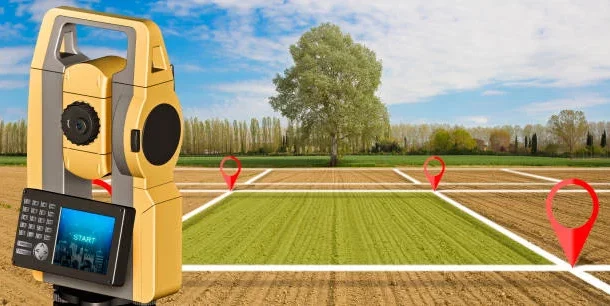
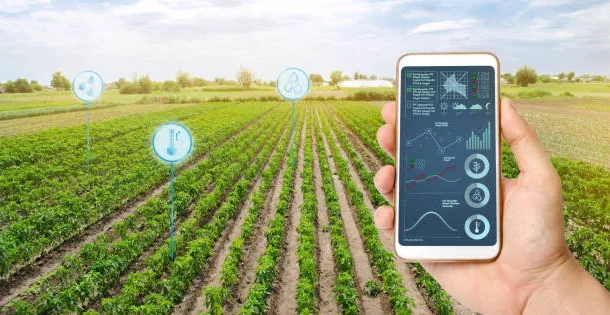
Technologies for Precision Agriculture: Digital tools and platforms have completely changed the way precision agriculture is done. Accurate field mapping and boundary delineation are made possible by the Global Positioning System (GPS) and satellite photography. Real-time information on soil moisture, temperature, and nutrient concentrations is gathered via sensors built into machinery and equipment.

What are the challenges and opportunities in agricultural research and development?

agricultural research and development

Agricultural research and development (R&D) presents a variety of opportunities as well as obstacles. Here are some major issues and chances in agricultural research and development.

Feeding a growing population: With the expectation that there will be approximately 10 billion people on the planet by the year 2050, agricultural R&D must find ways to increase food production in order to keep up with the demand. To achieve this, high-yielding, climate-resilient, nutrient-dense crop types must be created, along with efficient and sustainable production methods.

Climate change and environmental sustainability: Climate change has an impact on agriculture, including altered weather patterns, a rise in the frequency of extreme weather, and altered dynamics of pests and diseases. To reduce greenhouse gas emissions, protect natural resources, and improve ecosystem health, agricultural research and development must create climate-smart practises, robust crop types, and sustainable production methods.

Resources: The difficulty of resource limits, such as land availability, water scarcity, and deteriorating soil fertility, must be addressed by agricultural R&D. For agriculture to be sustainable, it is essential to develop methods and technology that maximise resource utilisation, encourage effective irrigation, improve soil health, and make use of marginal lands.

Development of efficient and long-lasting strategies for managing pests and diseases is a challenge for agricultural R&D. Pests and diseases can significantly lower crop quality and diminish yields. To create integrated pest management plans, resistant crop varieties, biocontrol tactics, and diagnostic tools for early diagnosis and efficient management, research is required.

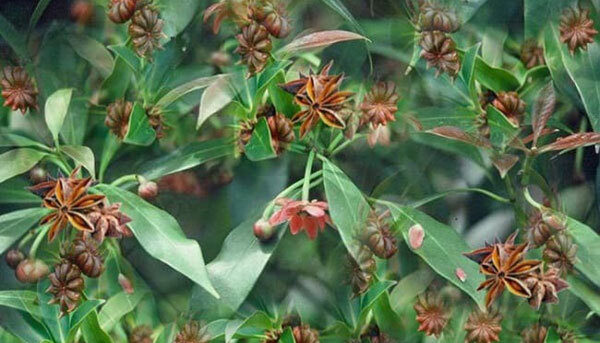
Requirement for growing star anise

growing star anise

Growing star anise is a tree that grows best in tropical and subtropical regions with high humidity, warm temperatures, and well-drained soil. The following requirements are essential for growing star anise:

  • Climate: Star anise requires a warm and humid climate, with temperatures between 20-30°C and high humidity.
  • Soil: It prefers well-drained, fertile soil with a pH range of 6.0-7.0.
  • Water: Star anise requires regular watering, especially during dry seasons. However, it is important to avoid water logging as this can lead to root rot.
  • Light: Star anise requires full sunlight to grow properly.
  • Fertilizer: Regular application of compost or well-rotted manure can provide the necessary nutrients for the plant’s growth.Use a balanced liquid fertilizer, diluted to 1/4 of its strength, once in 4-6 weeks.
  • Pruning: Regular pruning is necessary to control the size of the plant and to maintain its shape.

By providing these requirements, star anise can grow well and produce the fragrant, star-shaped fruits used in cooking and herbal remedies.

What is mushroom compost?

mushroom compost

Mushroom compost is the sustainable process of producing compost for use in gardening and farming from waste materials generated by the mushroom growing industry. This compost is created by composting spent mushroom substrates, which are the materials used to grow the mushrooms, such as straw, horse manure and poultry litter.

The composting process is typically carried out in large piles or windrows and can take several months. The end result is a nutrient-rich compost that provides an excellent source of organic matter and essential plant nutrients.

Mushroom substrate can be used to improve soil fertility and structure in a variety of crops, including vegetables, fruits, and flowers.

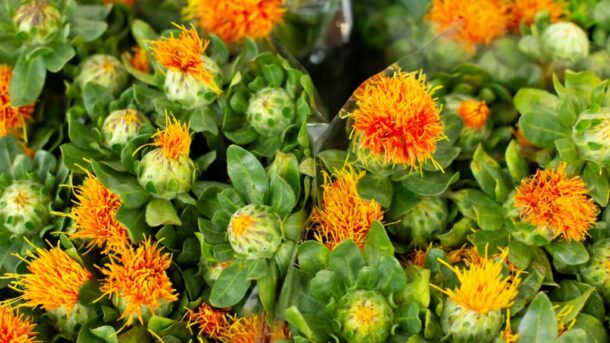
Manures and fertilizers required for the Safflower Farming

Safflower

Safflower is a drought-tolerant crop that requires moderate amounts of fertilizer. Nitrogen, phosphorus, and potassium are the primary nutrients needed for optimal growth and yield.

For fertilizer application, it is recommended to use a balanced NPK fertilizer with a ratio of 12-24-12 or 14-14-14. Nitrogen (N) is needed for leaf growth, phosphorus (P) for root development and flowering, and potassium (K) for overall Safflower plant’s health and stress tolerance.

Organic fertilizers such as compost, well-rotted manure, and green manure crops like legumes can also be used to provide the necessary nutrients to the crop.In order to identify any shortages and adjust fertilizer applications accordingly, soil testing should also be done.