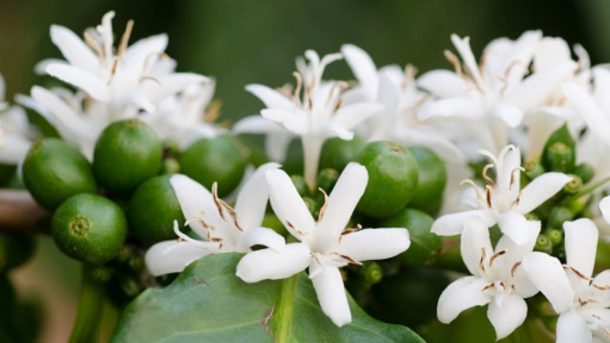
Boron promotes shoot growth, facilitates maximum flower and fruit arrangement. These are essential nutrients for the crop. Boron plays an important role in the process and these are; increases root growth, cell division, cell wall formation and excretion of primary and secondary nutrients, water excretion, provides resistance to plant diseases and thickens cell wall therefore white reduces the incidence of stem borer attacks. Boron is a condition for node growth, fruit size, flowering, fruit set and resistance to drought.
Nutrient requirement
How Magnesium, Sulfur and other elements plays an important role in coffee production?
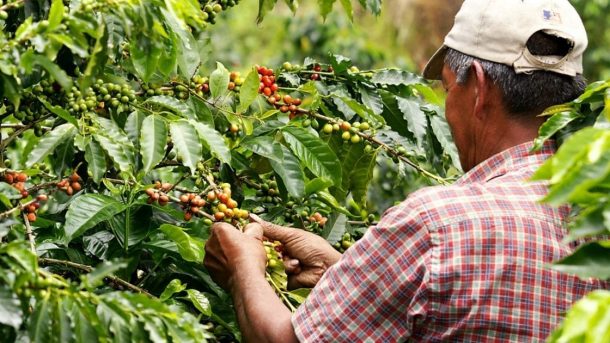
Magnesium and Sulfur have a positive effect on Coffee production and their supply should not be limited to the whole season. Although sulfur is known as a secondary nutrient for plants, studies have shown that Coffee needs as much as phosphorous and is considered an important nutrient along with N, P and k. A soil survey on the status of sulfur on Coffee plantations have been shown that the depletion of sulfur available in the soil is increasing rapidly. For maximum Coffee production, sulfur is an essential nutrient and also essential for maintaining and improving quality. Clean Arabica Coffee requires about 15 to 20 kg sulfur for each metric ton. While Robusta Coffee requires 20 to 25 kg of sulfur. Sulfur can be applied in the form of ammonium sulfate, Calcium or magnesium sulfate, elemental sulfur, potassium sulfate or single super phosphate preferably in the post- monsoon period.
What is ideal time for Cashew tree fertilizer application?
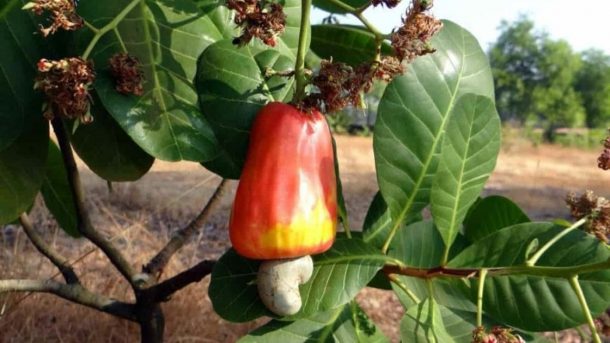
Immediately after the cessation of heavy rains is the ideal time for fertilizer application in the cashew crop. Though, the fertilizers should be applied in a circular trench along the drip line. Before applying fertilizers, make sure that the soil has adequate moisture. Fertilizers in Cashew should be applied after pre-monsoon (May-June) and post monsoon (September- October) should be fed in two divided doses. It should be done during the post-monsoon season (September- October) when there is adequate moisture in the soil. In sandy and laterites soils, fertilizer should be applied in a circular trench in soils of sloppy land and areas with high rainfall. In red loamy soils and low rainfed areas. Fertilizer should be applied in round bands.
What are the major components of an Aquaponic system and why are they important?
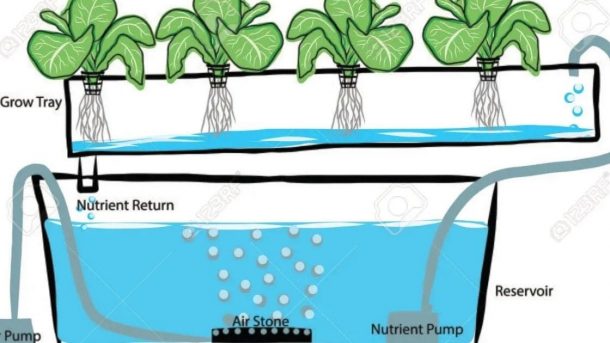
There are three major components of an aquaponic system and they are plants, fish and bacteria. They are considered important because it is due to these components that the entire system functions. The fish grow and live because the bacteria present in the media removes the toxins from the wastewater and supplies it to the plants, which in turn absorb the required nutrients and filter the water to be reused by the fish in the tank.
What is the best fertilizer for cultivating the pomegranate tree?
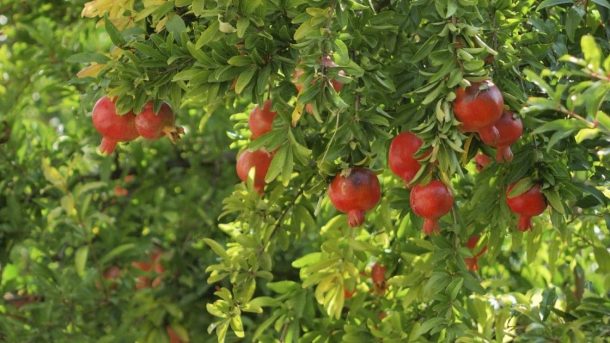
The pomegranate tree needs adequate nitrogen for best growth, as nitrogen supports the growth of foliage and production of flowers that eventually set fruit. And can use ammonium sulfate, a high nitrogen fertilizer or a balanced 10-10-10 formula, starting in spring after the pomegranate tree begins to show new growth.
Why are the leaves on the apple tree turning Yellow?
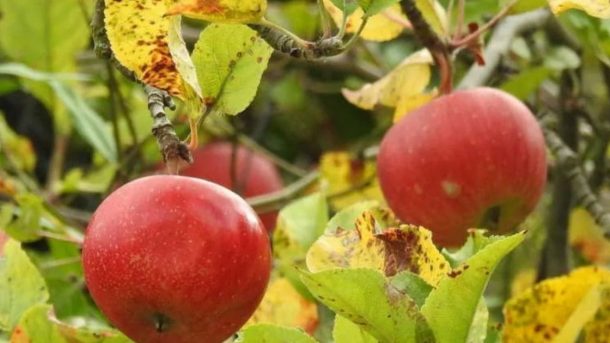
Apple trees normally have glossy, medium green leaves. When leaves turn yellow either the weather has turned cold or the apple tree is suffering from some sort of disease and nutritional deficiencies. Over time, these can result in the yellowing of large numbers of plant leaves, known as chlorosis.
What are the different types of Organic farming?
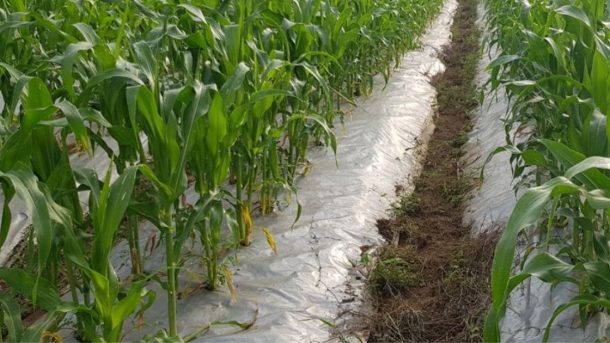
Basically, organic farming is of two types such as pure organic farming and integrated organic farming. Pure organic farming as the name suggests, involves the use of organic substances and completely avoids inorganic chemicals and pesticides. Whereas, integrated organic farming is a more sustainable form of agriculture that is dynamic in nature. Mostly used integrated pest management and integrated nutrient management practices.
Are there any precautionary measure followed during manure application in organic farms?
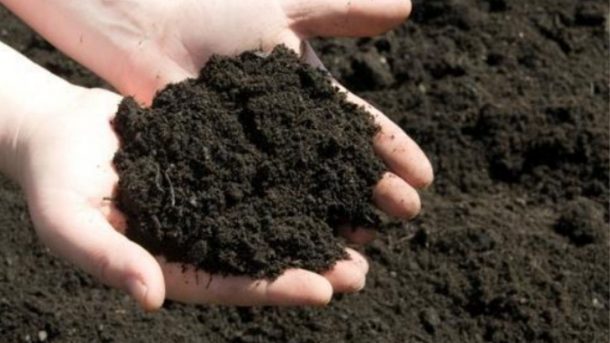
Raw manure or any other animal or plant matter should be handled carefully before applying to the farm so that it doesn’t contaminate the soil, water and crop. The manure must have to be composted properly so that harvesting can be done without any restriction. It is important to note that leafy crops which remain in contact with the soil should be harvested 120 days after the application of uncomposted manure and other vegetables or crops.
Why do tomato plant leaves turn yellow?
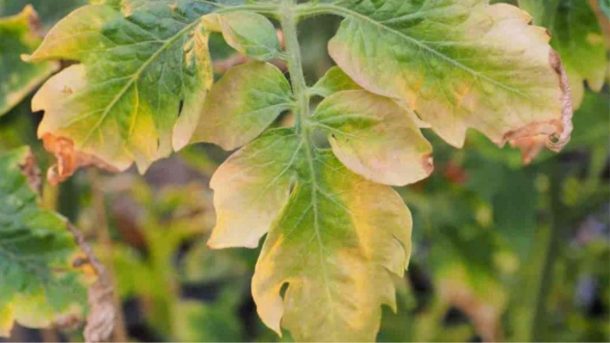
When plants do not receive adequate water, then the yellowing of the leaves on the bottom of the plant can be observed. Other reasons for the occurrence of yellow leaves on the plant are lack of nitrogen in the soil and curly top virus.
The problem can be controlled by deep watering the plants during hot weather conditions, adding compost or transplant mix to the soil, supplying adequate quantities of nitrogen to the soil and protecting the plants from pests.
What does Epsom salt do for tomato plants?
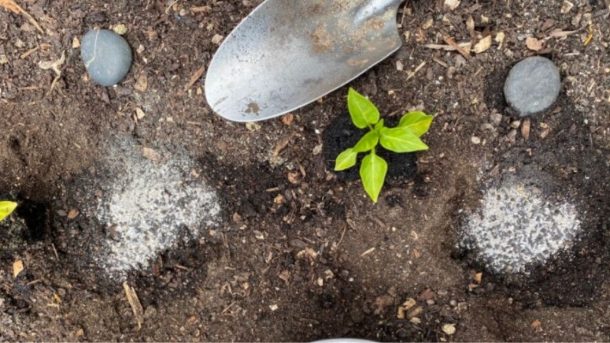
Epsom salt contains 10% magnesium and 13% Sulphur, it is considered to be a mineral compound. Spraying Epsom salt on tomato plants is expected to keep the plants green and bushy; the addition of Epsom salt to the soil helps with germination of seeds, root development, photosynthesis, plant growth and prevents blossom end rot.