Water conservation

What is the impact of biofertilizers on soil structure?

soil structure

By encouraging soil aggregation, boosting soil porosity, and improving overall soil health, biofertilizers can have a beneficial effect on soil structure. The advantageous microorganisms included in biofertilizers aid in the creation and stabilization of soil aggregates, which are collections of bound-together soil particles. Here are various ways biofertilizers affect the composition of the soil:

Aggregation: Some biofertilizers, especially mycorrhizal fungi and other advantageous soil bacteria, exude gooey compounds known as polysaccharides and glomalin. As aggregates, these chemicals bind soil particles together like natural glues. By strengthening the soil’s structure and stability through aggregation, erosion is reduced.

Pore Space: Biofertilizers help the soil’s pores form, which are crucial for root penetration, water flow, and aeration. For instance, the mycorrhizal fungi’s hyphal networks produce small create tiny channels within the soil.

Water Retention: The soil can retain water more effectively thanks to biofertilizers’ improved soil structure. Because aggregated soil can hold more water, water runoff is less likely and plant roots have better access to water.

Nutrient Cycling: The processes of biofertilizers, such as the breakdown of organic matter and nutrient cycling, help the soil recycle nutrients. This improves the availability of nutrients to plants and promotes a balanced soil ecology.

Erosion Control: By fortifying the soil’s structure, biofertilizers reduce soil erosion. The development of solid aggregates shields the soil from wind and water erosion, halting the loss of important nutrients and topsoil.

How do mycorrhizal biofertilizers benefit plants?

mycorrhizal

Mycorrhizal biofertilizers work in symbiotic relationship with plant roots to help plants in numerous important ways. Mycorrhizal fungi associate with plants in a mutualistic connection that is advantageous to both parties. The following are the main advantages of mycorrhizal biofertilizers for plants:

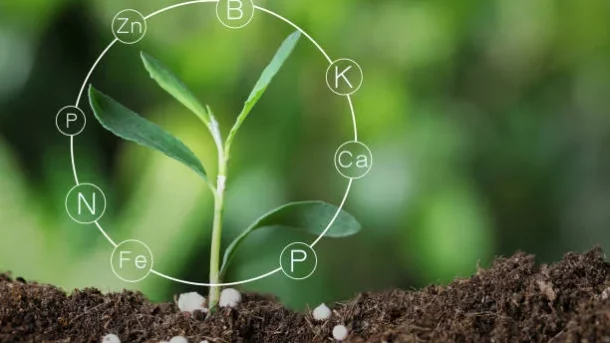
Better Nutrient Uptake: Mycorrhizal fungi penetrate the soil with their hyphae, which significantly increase the surface area of the root that can absorb nutrients. They may draw nutrients from a larger area of soil, including phosphate, nitrogen, and micronutrients, and transmit those elements to the roots of the plants. Plant nutrition and growth are improved as a result of this better nutrient uptake.

Enhanced Water Absorption: Plants may absorb water from the soil more effectively thanks to the large hyphal network of mycorrhizal fungus. 

Drought Tolerance: Mycorrhizals biofertilizers improve plants’ capacity to absorb water and nutrients, which helps them survive the effects of drought stress. This increased ability to withstand water shortages is especially helpful when there is little rainfall or there are water restrictions.

Mycorrhizals fungi can cause systemic resistance in plants, which means they activate the plant’s defenses against diseases. As a result, there may be an increase in disease resistance and a decrease in vulnerability to specific plant diseases.

Reduced Transplant Shock: The disruption of a plant’s root system during transplantation can be stressful. Mycorrhizals biofertilizers help fresh transplants take root by promoting quicker root formation, facilitating nutrient and water intake, and minimizing transplant shock.

Can biofertilizers be used in hydroponic systems?

hydroponic systems

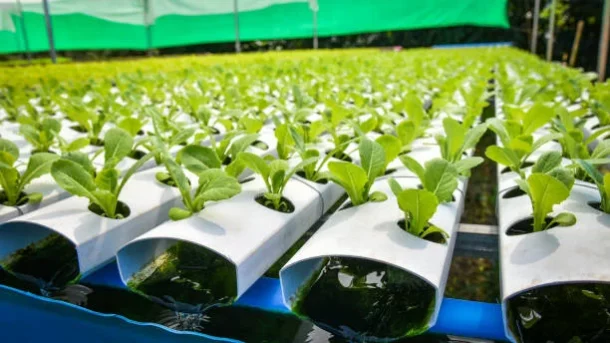
Yes, you can use biofertilizers in hydroponic systems to nourish plants and boost their growth. In a soilless growing technique called hydroponics, plants are grown in nutrient-rich water solutions with the roots receiving all the nutrients they need. Biofertilizers can be used as a natural substitute for traditional nutrient solutions or chemical fertilizers in hydroponic systems.

Biofertilizers can be added to hydroponic systems in a number of ways:

Microbial Inoculants: Biofertilizers with helpful microorganisms can be added to the hydroponic nutrient solution. Examples include bacteria that fix nitrogen or bacteria that break down phosphate. These bacteria can improve the availability and cycling of nutrients, which will improve plant growth.

Mycorrhizal fungus: Mycorrhizal fungus can form symbiotic associations with plant roots to help the roots absorb nutrients and water. 

Compost or Organic Extracts: In hydroponic systems, organic biofertilizers in the form of compost extracts or organic nutrient solutions can be utilized to provide plants with vital nutrients. These organic inputs support microbial activity in the root zone and serve as a source of nutrients.

Some biofertilizers function as biostimulants, generating chemicals that promote growth or igniting advantageous microbial activity in the hydroponic system. These biostimulants can improve plant vigor in general as well as root development and nutrient uptake.

The architecture of the system and the nutrient solution must be compatible with the biofertilizers before utilizing them in hydroponic systems. To maximize their efficacy, biofertilizers may need specific alterations to pH values, nutrient ratios, and environmental factors.

What are the potential impacts of plant-based meat alternatives on the agricultural market?

plant-based

The agricultural sector could be severely impacted by plant-based meat substitutes in a number of ways. These substitutes, which are frequently constructed of plant proteins, strive to imitate the flavor, texture, and look of conventional meat products while also providing advantages for the environment and human health. On the agricultural market, the following effects of plant-based meat substitutes are possible:

Demand Shift: The popularity of plant-based meat substitutes may cause consumers’ preferences for traditional animal-based meat products to change. The market for livestock products may decline as more people choose plant-based diets, which would have an impact on the meat and dairy industries.

Reduced Livestock Production: As the demand for meat declines, fewer animals may be kept for food, which could alter livestock farming methods and the use of related agricultural land.

Land Use and Resource Efficiency: Compared to conventional cattle production, plant-based meat substitutes often use less land and water. This might result in more effective use of agricultural resources and possibly result in the release of land for other uses.

Environmental Benefits: Compared to growing cattle, the manufacturing of plant-based meat substitutes often produces fewer greenhouse gas emissions, contributes less to deforestation, and uses less water. This can have a good effect on the environment and combat climate change.

What are the key factors driving the demand for plant-based proteins in the market?

plant-based

The market has seen a steady increase in the demand for plant-based proteins, which is being fueled by a number of factors including shifting consumer tastes, environmental concerns, health issues, and technological improvements. The following are some major aspects influencing the need for plant-based proteins:

Consumers are increasingly looking for diets that are more balanced and conducive to their health. Due to their reduced concentration of saturated fat and potential health advantages, such as lowering the risk of heart disease and some chronic illnesses, plants-based proteins are frequently seen as healthier alternatives to animal-based proteins.

Sustainability and Environmental Awareness: Due to worries about the effects of animal agriculture on the environment, such as greenhouse gas emissions, deforestation, and water use, many customers now choose plant-based proteins as a more environmentally responsible choice.

Concerns about ethics and animal welfare have prompted some customers to prefer plant-based proteins as a method to lessen their involvement in animal suffering across the food supply chain.

Concerns concerning the sustainability of traditional livestock-based protein sources in fulfilling future food demand are raised as the world’s population continues to increase. A expanding population can be fed with more resource-effective plant-based proteins.

How does the use of remote sensing technology benefit the agricultural market?

remote sensing

The agricultural industry benefits greatly from the use of remote sensing technologies, which has transformed how farmers manage their crops and increased total agricultural productivity. Remote sensing is the process of gathering data about the surface of the Earth from a distance, frequently with the help of satellites, drones, or airplanes fitted with various sensors. The agriculture market benefits from remote sensing technology in the following ways:

Agriculture management techniques that are precise and targeted are made possible by remote sensing. In order to apply inputs like fertilizer, herbicides, and water more effectively, reduce waste, and maximize yields, farmers can measure the variability of their fields.

Crop Monitoring and Health Assessment: Remote sensings makes it possible to monitor crops continuously and in real time. Farmers are able to check the health of their crops, pinpoint stressors, and take timely action in the event of problems by evaluating multispectral and thermal data.

Early Pest and Disease Detection: Remote sensings can identify pest and disease symptoms before they are visible to the naked eye. Farmers can take preventative actions and reduce potential crop losses thanks to this early discovery.

Water management: Using remote sensings technologies, farmers may more precisely track water use and track the amount of moisture in the soil. This aids in cost-effective irrigation management, water resource conservation, and expense reduction.

What is the role of certification schemes in promoting sustainable agricultural practices?

certification

By establishing defined norms and criteria for farming that is both environmentally and socially responsible, certification programs play a crucial role in encouraging sustainable agricultural practices. These initiatives are optional programs in which farmers, producers, and agribusinesses can show their dedication to sustainable practices by choosing to join. The following are some of the main ways certification programs support agricultural sustainability:

Setting Standards and Criteria: Certification programs create precise, quantifiable standards for environmentally friendly agriculture methods. These guidelines address a range of topics, including fair labor practices, soil health, water management, biodiversity conservation, and the appropriate use of agrochemicals.

Verification and Compliance: To ensure that farms and producers adhere to the defined sustainability requirements, certification bodies carry out on-site inspections and audits. To obtain and keep certification, adherence to the requirements is necessary.

Customer Trust and Transparency: By making information regarding agricultural production practices transparent, certification programs aid in fostering customer trust. Consumers can make educated decisions by looking for certified items, which include labels or badges that imply conformity with sustainable criteria.

Market Access and Premium Pricing: Certifications programs can provide access to niche and global markets where there is a rising need for sustainable products. Prices for certified goods are frequently higher, giving producers financial incentives to use sustainable techniques.

What are the challenges in achieving sustainable agricultural intensification?

intensification

To achieve sustainable agricultural intensification, agricultural productivity must be raised while adverse environmental and social effects are reduced. Although the idea has many advantages, there are a number of obstacles that need to be overcome before it can be successfully implemented. Among the principal difficulties are:

Environmental Degradation: Unsustainable intensification techniques include excessive pesticide, water, and monoculture use can result in soil erosion, water pollution, and biodiversity loss.

Climate Change: Sustainable intensification faces considerable obstacles from climate change. Agronomic systems can be disrupted and productivity decreased by erratic weather patterns, extreme weather events like droughts and floods, and rising temperatures.

Water scarcity is a major barrier to the expansion of agriculture in many areas. Increased water demands may result in excessive groundwater extraction and resource depletion, which could harm ecosystems and rural populations.

Ecosystem services that are crucial for agriculture, such as pollination and pest control, may be reduced as a result of intensification methods that threaten natural ecosystems.

Social and Equity Issues: Smallholder farmers may not receive an equitable share of the advantages of intensifications, which could result in social inequities and marginalization.

Market Access and Prices: As production rises as a result of intensification, farmers may experience price swings and difficulties accessing the market.

How does the availability of irrigation infrastructure impact agricultural productivity?

infrastructure

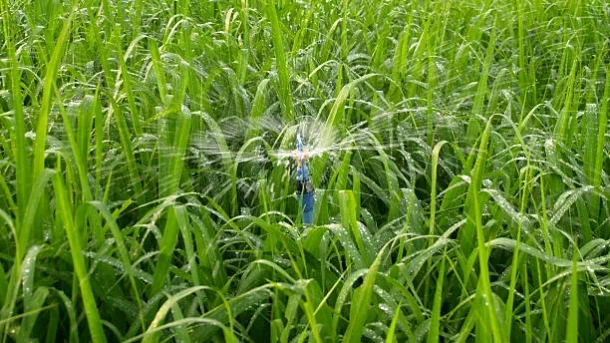
Especially in areas with irregular or insufficient rainfall, the presence of irrigation infrastructure can have a substantial impact on agricultural productivity. For a reliable and sufficient water supply to promote plant growth, irrigation entails the artificial application of water to crops. The following are some ways that irrigation infrastructure accessibility affects agricultural productivity:

Irrigation provides crops with a steady and dependable water supply, regardless of the natural patterns of rainfall. This enables farmers to keep the soil at the ideal level of moisture, ensuring that crops have access to water when they require it. This can increase yields and lessen crop losses as a result of drought.

Farmers can extend the growing seasons with irrigation beyond the restrictions imposed by natural rainfall. This increases total agricultural output by enabling numerous cropping cycles or the cultivation of crops that need longer growing seasons.

Crop Diversification: Irrigation makes it possible to grow a variety of crops, even ones that are incompatible with agriculture reliant on rain. By lowering reliance on a small number of rain-fed crops, this encourages crop variety and improves food security.

Increased Crop Yields: Proper irrigation ensures that crops receive the nutrients they need for optimum growth. This may result in increased agricultural yields and better crop quality.

What are the opportunities for agricultural startups in the market?

startups

Startups in the agricultural sector have a great chance to improve the market and solve numerous problems the sector is now facing. Agricultural startups can take advantage of the following opportunities as the agriculture industry develops and adopts new technologies and methods:

Precision Agriculture technology: To help farmers better utilize resources, boost productivity, and cut costs, startups can create and offer precision agriculture technology like IoT sensors, drones, and AI-powered analytics.

Startup can provide smart farming solutions that use automated systems, remote monitoring, and data-driven decision-making to enhance overall farm management and productivity.

Innovations in Sustainable Agriculture: There is a rising demand for sustainable agricultural methods. Startups can concentrate on creating technology and goods that improve soil health, use less water, use fewer chemicals, and increase biodiversity.

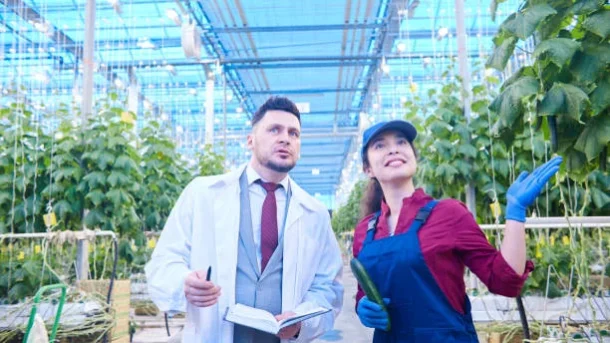
Urbanization and the scarcity of arable land are the main factors driving demand for vertical farming and controlled environment agriculture. Startups can experiment with cutting-edge hydroponic, aeroponic, or aquaponic techniques to grow food indoors or vertically.

Agtech and Farm Management Software: Agricultural entrepreneurs can develop agtech platforms and farm management software that help farmers organize their activities, track their data, and access insightful information to make better decisions.