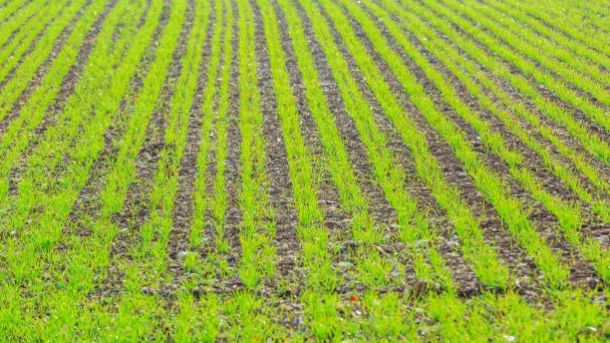
By encouraging soil aggregation, boosting soil porosity, and improving overall soil health, biofertilizers can have a beneficial effect on soil structure. The advantageous microorganisms included in biofertilizers aid in the creation and stabilization of soil aggregates, which are collections of bound-together soil particles. Here are various ways biofertilizers affect the composition of the soil:
Aggregation: Some biofertilizers, especially mycorrhizal fungi and other advantageous soil bacteria, exude gooey compounds known as polysaccharides and glomalin. As aggregates, these chemicals bind soil particles together like natural glues. By strengthening the soil’s structure and stability through aggregation, erosion is reduced.
Pore Space: Biofertilizers help the soil’s pores form, which are crucial for root penetration, water flow, and aeration. For instance, the mycorrhizal fungi’s hyphal networks produce small create tiny channels within the soil.
Water Retention: The soil can retain water more effectively thanks to biofertilizers’ improved soil structure. Because aggregated soil can hold more water, water runoff is less likely and plant roots have better access to water.
Nutrient Cycling: The processes of biofertilizers, such as the breakdown of organic matter and nutrient cycling, help the soil recycle nutrients. This improves the availability of nutrients to plants and promotes a balanced soil ecology.
Erosion Control: By fortifying the soil’s structure, biofertilizers reduce soil erosion. The development of solid aggregates shields the soil from wind and water erosion, halting the loss of important nutrients and topsoil.