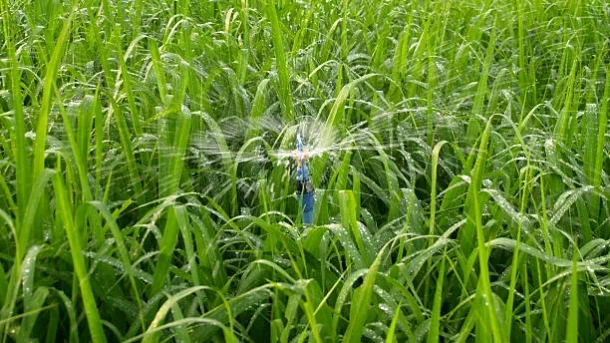
Especially in areas with irregular or insufficient rainfall, the presence of irrigation infrastructure can have a substantial impact on agricultural productivity. For a reliable and sufficient water supply to promote plant growth, irrigation entails the artificial application of water to crops. The following are some ways that irrigation infrastructure accessibility affects agricultural productivity:
Irrigation provides crops with a steady and dependable water supply, regardless of the natural patterns of rainfall. This enables farmers to keep the soil at the ideal level of moisture, ensuring that crops have access to water when they require it. This can increase yields and lessen crop losses as a result of drought.
Farmers can extend the growing seasons with irrigation beyond the restrictions imposed by natural rainfall. This increases total agricultural output by enabling numerous cropping cycles or the cultivation of crops that need longer growing seasons.
Crop Diversification: Irrigation makes it possible to grow a variety of crops, even ones that are incompatible with agriculture reliant on rain. By lowering reliance on a small number of rain-fed crops, this encourages crop variety and improves food security.
Increased Crop Yields: Proper irrigation ensures that crops receive the nutrients they need for optimum growth. This may result in increased agricultural yields and better crop quality.