By enhancing productivity, lowering input costs, maximizing resource utilization, and raising yields, the adoption of precision agriculture technologies can have a substantial beneficial influence on farm profitability. Using cutting-edge technology, data analytics, and real-time monitoring, precision agriculture enables knowledgeable and site-specific decisions to be made about farming operations. The following are some ways that implementing precision agricultural technologies can raise farm profitability:
Optimum Resource Use: Precision agricultural technology allow farmers to apply inputs like water, herbicides, and fertilizers precisely where they are needed. Farmers can limit waste and lower input costs, which will result in cost savings and enhanced profitability, by using these resources only where and when necessary.
Increased Yield: Through the use of precision agriculture, farmers can recognize variability in their fields and adjust their management strategies as necessary. This focused strategy can boost crop health and production, resulting in greater yields and more substantial profits.
Reduced Environmental Impact: Precision agriculture can support environmental sustainability by maximizing input utilization and minimizing chemical application. The reputation of the farm and its goods can thus be enhanced, which may result in premium pricing and competitive advantages in the market.
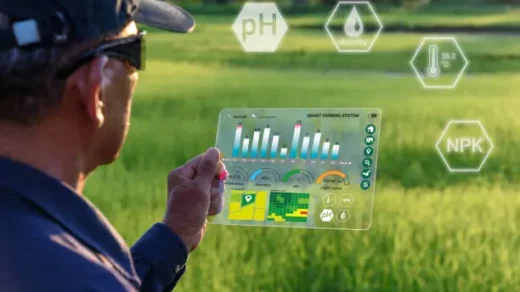
Real-time monitoring: Farmers may access real-time information on crop health, soil conditions, and weather thanks to precision agricultural tools. With the aid of this information, farmers are able to react quickly to shifting environmental factors, avoiding or minimizing potential problems that can adversely affect yields and profitability.