Harvesting

Name a government program that provides financial assistance for the establishment of cold chains in horticulture.

horticulture

The “Scheme for Integrated Cold Chain and Value Addition Infrastructure” is one government initiative that offers financial support for the construction of cold chains in India’s horticulture industry. Common names for this program include “Cold Chain Scheme” and “Cold Chain Development Program.” The Government of India’s Ministry of Food Processing Industries is in charge of carrying it out.

The main goals of the Cold Chain Scheme typically consist of:

Infrastructure Development: The program intends to encourage the creation of an integrated cold chain and infrastructure for value addition in the horticulture industry. In order to handle, store, and transport horticultural goods effectively, it supports the construction of cold storage facilities, pre-cooling units, pack houses, ripening chambers, reefer trucks, and other infrastructure elements.

Preservation and Quality Maintenance: The plan’s main goals are to keep horticulture produce’s quality intact and increase its shelf life. In order to maintain the freshness, nutritional value, and marketability of horticulture commodities, it encourages the implementation of best practices and technologies for cold storage, controlled environment storage, temperature-controlled transportation, and other post-harvest interventions.

The Cold Chain Scheme places a strong emphasis on horticulture produce’s value addition and processing. In order to increase the market value and diversify the product line of horticulture commodities, it encourages the building of processing units, pack houses, grading and sorting units, and other value-added facilities.
Name a scheme that aims to promote the use of farm machinery rental services.

farm machinery

The “Custom Hiring Centers (CHC) Scheme” or “Farm Machinery Bank Scheme” is one program that tries to encourage the usage of farm equipment rental services in India. The Department of Agriculture, Cooperation & Farmers Welfare, Ministry of Agriculture and Farmers Welfare, Government of India, is responsible for implementing the Custom Hiring Centers Scheme.

The Custom Hiring Centers Scheme’s primary goals typically consist of:

Promoting Access to Farm Machinery: By establishing Custom Hiring Centers (CHCs), the program seeks to improve farmers’ access to contemporary farm machinery and equipment. These CHCs work as machinery banks where farmers can rent or borrow equipment for a variety of agricultural tasks, including threshing, harvesting, sowing, and other farm chores.

Efficiency and Cost Reduction: By enabling the renting or hiring of machinery, the program aims to lower agricultural operating expenses and boost productivity. Through CHCs, shared equipment is made available to farmers, allowing them to spend less on expensive equipment purchases, upkeep, and storage while still having timely access to equipment during the busiest agricultural seasons.

Adoption of new agricultural technologies and farm equipment is encouraged by the Custom Hiring Centers Scheme among small and marginal farmers who might lack the funds to purchase their own equipment. It promotes the employment of cutting-edge equipment to boost farm operations and increase production and resource efficiency.

Building Capacity and Developing Skills: The program places a strong emphasis on helping farmers and machine operators grow their capacities and develop their skills.

Which scheme provides financial assistance for the establishment of post-harvest infrastructure in rural areas?

post-harvest

The “Mukhyamantri Saur Krishi Yojana” (MSKY) is one program that offers financial aid for the construction of post-harvest infrastructure in rural parts of India.

A government program called the Mukhyamantri Saur Krishi Yojana is being carried out by the respective state governments with the goal of encouraging the use of solar energy in agricultural processes and offering financial support for various solar-powered structures and equipment in rural areas.

Financial support is given for the building of post-harvest infrastructure using solar-powered technologies under the Mukhyamantri Saur Krishi Yojana. This might include solar-powered grain mills, charkhas (spinning wheels), cold storage facilities, dryers, and other tools and systems that help with post-harvest management and processing.

The Mukhyamantri Saur Krishi Yojana’s goals are to make it easier to use solar energy for agricultural purposes, lessen reliance on traditional energy sources, and improve the effectiveness of post-harvest activities in rural regions. The program aims to increase agricultural produce storage, processing, and value addition, reduce post-harvest losses, and improve the income and way of life for rural farmers by providing financial support for solar-powered infrastructure.

It’s vital to keep in mind that the Mukhyamantri Saur Krishi Yojana’s particular guidelines, eligibility requirements, and implementation methods may differ throughout states. To receive precise and complete information regarding the financial assistance provided for post-harvest infrastructure in rural areas, it is therefore advisable to refer to the specific program implemented by the relevant state government.

Which scheme aims to promote the cultivation of aromatic plants and essential oil production?

aromatic plants

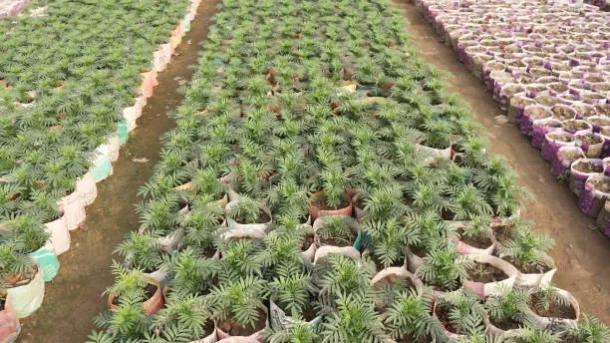
The “Aroma Mission” or “National Aroma Mission” is one program that aims to encourage the cultivation of aromatic plants and the manufacture of essential oils in India. The Ministry of AYUSH (Ayurveda, Yoga & Naturopathy, Unani, Siddha, and Homoeopathy), Government of India, has launched the Aroma Mission with the aim of fostering the growth of aromatic plant cultivation, raising essential oil production, and assisting the aromatic industry.

The Aroma Mission’s primary goals typically consist of:

Aromatic Plant Cultivation: The objective is to encourage the growth of aromatic plants with high essential oil content. Depending on the region’s agro-climatic compatibility, it promotes farmers to grow aromatic crops like rose, lavender, lemongrass, vetiver, patchouli, and others.

Production of Essential Oils: The Aroma Mission seeks to boost the production of essential oils through the planting of aromatic plants. In order to increase the yield and quality of essential oils derived from aromatic plants, it encourages the adoption of contemporary growing techniques, agro-technology interventions, and post-harvest processing methods.

Market Promotion and Value Addition: The plan places a strong emphasis on creating connections in the market and adding value for aromatic plant and essential oils. It focuses on opening up new markets, setting up facilities for processing essential oils, assisting in the creation of quality standards, and promoting the manufacturing of products with added value including fragrances, cosmetics, herbal remedies, and aromatherapy oils.

Name a government initiative that focuses on the development of fisheries and aquaculture in India.

aquaculture

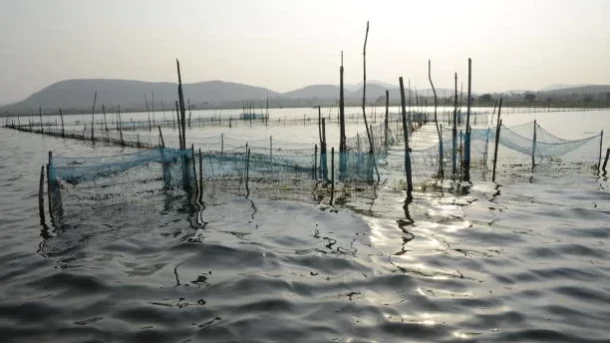
The “Blue Revolution” or “Pradhan Mantri Matsya Sampada Yojana” (PMMSY) is one government effort that concentrates on the growth of fisheries and aquaculture in India. The Ministry of Fisheries, Animal Husbandry, and Dairy, Government of India, has launched a flagship program called The Blue Revolution with the goals of boosting fish production, raising the income of fishermen, and encouraging sustainable aquaculture methods.

The PMMSY’s or the Blue Revolution’s main goals are:

Development of Sustainable Aquaculture: The program seeks to advance both freshwater and marine aquaculture methods that are sustainable. In order to boost fish production and productivity, it emphasizes the development and modernization of aquaculture infrastructure, the use of cutting-edge technologies, and the introduction of best management practices.

Modernization of Fisheries Infrastructure: The Blue Revolution places a strong emphasis on modernizing and enhancing fisheries infrastructure, which includes fishing harbors, landing areas, fish markets, fish processing plants, cold storage facilities, and ice plants. To decrease post-harvest losses and raise the quality of fish products, it attempts to improve post-harvest facilities, storage capabilities, and processing capabilities.

Fish Seed Production and Hatcheries: The program encourages the development and improvement of facilities for producing fish seeds, as well as hatcheries and nurseries. To assure the supply of high-quality seeds for fish farming activities, it promotes the development and distribution of high-quality fish seeds, including genetically enhanced strains.

The Blue Revolution places a strong emphasis on conservation and management strategies for fisheries in order to guarantee the long-term viability of these resources. Initiatives for fisheries research are supported.

Which government program provides financial assistance for the establishment of seed processing units?

seed processing

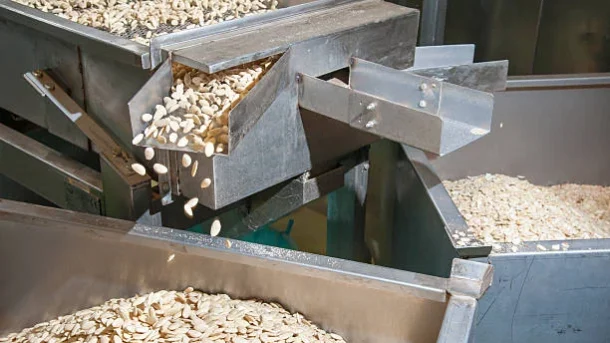
The “National Horticulture Mission” (NHM) is one government initiative that offers financial support for the creation of seed processing facilities in India. The Ministry of Agriculture and Farmers Welfare, Government of India, implements the National Horticulture Mission, commonly known as the “Integrated Horticulture Development Programme,” which is a centrally supported program.

The following elements are often covered by the financial support offered for the creation of seed processing units:

Infrastructure Development: NHM aids in the establishment and growth of seeds processing facilities. This involves offering financial support for the installation of machinery, tools, storage spaces, and other essential infrastructure elements for the processing of seeds.

The plan places a strong emphasis on capacity building and training programs for staff members and operators of seed processing units. To ensure the adoption of best practices and quality control measures, it offers training on seeds processing methods, quality standards, post-harvest management, seed testing, and certification.

Quality Control and Certification: NHM encourages the adoption of procedures for seed certification and quality control. It supports programs relating to maintaining seed quality, genetic purity, and seed health standards as well as seed testing labs, seed certification organizations, and allied organizations.

Market Linkages and Value Chains: The program supports the growth of seed-related market linkages and value chains. To improve market access and encourage the selling of high-quality seeds, it focuses on establishing connections between seed processing facilities and seed buyers, distributors, and seed businesses.

What is the purpose of the Agricultural Marketing Infrastructure (AMI) scheme?

Agricultural Marketing Infrastructure

Initiatives to improve the infrastructure for agricultural marketing typically have the following goals and purposes:

The development of physical market infrastructure, such as wholesale markets, mandis, market yards, cold storage facilities, warehouses, packaging facilities, and transportation infrastructure, is the goal of these projects. The objective is to offer farmers quality market facilities that fulfill standards, lessen post-harvest losses, and promote effective trade.

Market Information Systems: Building and bolstering market information systems is a focus of initiatives related to agricultural marketing infrastructure. To give farmers access to current market information, pricing trends, and demand-supply dynamics, this includes the creation of market intelligence networks, price reporting systems, digital platforms, and information dissemination techniques.

Market Linkages and Value Chains: The efforts seek to build value chains for agricultural products as well as market linkages. To increase market access and guarantee fair prices for farmers, this entails connecting farmers with wholesale marketplaces, retail chains, food processors, exporters, and other market participants. Initiatives to promote product diversity, value addition, and market-driven farming methods are also included.

Agricultural marketing infrastructure initiatives frequently place a strong emphasis on promoting quality standards and certification programs for agricultural products. This guarantees that farmers may access premium markets and that their products meet the necessary quality criteria and food safety regulations. In order to guarantee adherence to quality standards, it entails offering training, assistance, and certification procedures.

Which scheme aims to promote the cultivation of medicinal plants in India?

cultivation of medicinal plants

The “National Medicinal Plants Board (NMPB) Scheme” is one program that tries to encourage the development of medicinal plants in India. The National Medicinal Plants Board, an agency of the Government of India’s Ministry of Ayurveda, Yoga & Naturopathy, Unani, Siddha, and Homoeopathy (AYUSH), implements a number of policies and initiatives to encourage the growth, preservation, and sustainable cultivation of medicinal plants.

The National Medicinal Plants Board Scheme’s primary goals are as follows:

Therapeutic Plant Cultivation: The program’s main objective is to encourage the nationwide cultivation of therapeutic plants. It offers assistance with setting up nurseries, growing medical plants in designated locations, and using good agricultural practices (GAPs) for growing medicinal plants.

The plan has a strong emphasis on capacity building and training programs for farmers, business owners, and other parties involved in the cultivation of medicinal plants. It offers instruction in a variety of topics, such as nursery management, plant propagation methods, organic farming techniques, post-harvest handling, and medicinal plant value addition.

Research and Development: The program funds initiatives in the study and cultivation of medicinal plants. It encourages scientific research, the recording of traditional knowledge, the preservation of rare and endangered medical plant species, and the creation of novel medicinal plant cultivars with enhanced properties.

The plan’s primary areas of focus are market promotion and the development of the value chain for medicinal plants. It backs programs to create market connections, improve farmers’ and collectors’ access to markets, and promote to farmer.

Name a government program that aims to promote organic farming among tribal communities in India.

farming among tribal

The “Van Dhan Vikas Kendra” (VDVK) project is one government initiative that is specifically designed to encourage organic farming among tribal tribes in India. The Ministry of Tribal Affairs, Government of India, runs the VDVK scheme, which aims to improve tribal communities’ quality of life by adding value to, developing skills in, and marketing non-timber forest products (NTFP), including organic agricultural products.

The following are some of the main goals of the Van Dhan Vikas Kendra program:

Promotion of Organic Farming: The program encourages tribal tribes to adopt organic farming among tribal methods. In addition to minimizing the use of synthetic inputs and promoting the use of organic fertilizers, biopesticides, and conventional farming practices, it encourages tribal farmers to embrace sustainable agricultural practices.

Van Dhan Vikas Kendra establishment is the main goal of the plan, which aims to create tribal community-owned businesses. These Kendras act as common hubs for NTFP and organic agricultural produce processing and commercialization. For value addition, packaging, branding, and marketing of their organic produce, they offer infrastructure, training, and assistance to tribal farmers.

The VDVK initiative places a strong emphasis on adding value to tribal agricultural products. It encourages tribal farmers to strengthen their skills so they can advance their understanding and proficiency in organic farming, post-harvest processing, value addition, and product diversification. This includes instruction on ways for processing food produced organically, as well as on quality standards and entrepreneurship growth.

What is the purpose of the National Mission on Agricultural Marketing (NAM)?

Agricultural Marketing

The National Mission on Agricultural Marketing (NAM) in India aims to upgrade market infrastructure and modernize agricultural marketing procedures to benefit farmers and encourage agricultural trade. The objective of NAM is to establish an effective and open framework for agricultural marketing that improves farmers’ access to markets, lowers post-harvest losses, ensures fair prices, and fosters agricultural competitiveness.

Typically, the National Mission on Agricultural Marketing’s primary goals are:

Developing and modernizing agricultural market infrastructure, including as wholesale markets, mandis, market yards, and market facilities, are NAM’s main areas of concentration. To decrease post-harvest losses and raise the quality of agricultural produce, it attempts to build effective market yards with appropriate storage, grading, and handling facilities.

The mission’s objectives include encouraging farmer-driven market initiatives.

Aiming to improve farmers’ access to markets, NAM places a strong emphasis on this. It focuses on developing effective supply chains, connecting farmers to wider agri-value chains, and building market linkage initiatives. Connecting farmers with wholesale marketplaces, retail chains, food processors, exporters, and other market participants is a part of this endeavour.

Enhancing Market Information Systems: The mission understands the value of providing farmers with accurate and timely market information. By building market information networks, market price reporting systems, and digital platforms for gaining access to real-time market information, it seeks to boost market intelligence systems. This aids farmers in choosing the right produce, when to sell it, and which markets to target.