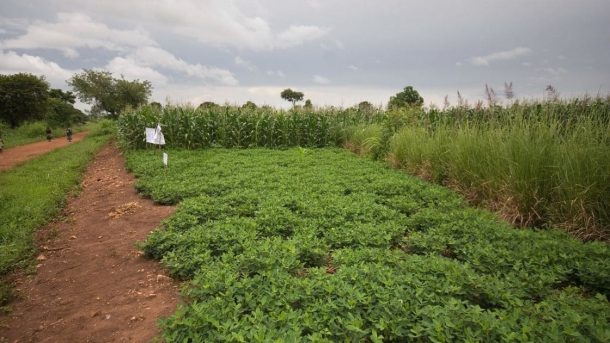
Apply 12.5 tonnes of groundnut shells per hectare at 15-20 DAS as mulch to reduce evaporation losses of soil moisture. To reduce transpiration losses from crop canopy, spray calcium sulphate solution (50 g/l). Spray urea solution (20 g/l) during dry spell period in order to make recover the crop from stress.
farming practices
What are the critical stages in groundnut for irrigation?
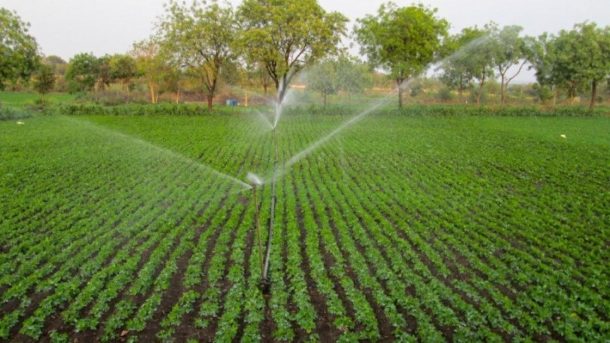
Generally, 8-9 irrigations are required for the crop season. After the crop is established, it is necessary to withheld the irrigation for about 25 days and create stress which will encourage early flush of heavy flowering, root development, nodulation and checks excessive vegetative growth. The first irrigation should be given immediately after sowing the crop. The second irrigation is given when the flowering is observed in 50 % plants. During pegging and pod filling, the irrigation should be given at an interval of 8-10 or 10-12 days. Fifty to eighty (50 – 80) days after sowing are most critical period and during this period there should not be a water shortage because peg penetration, pod formation take place during this period.
How weeds are controlled in groundnut crop?
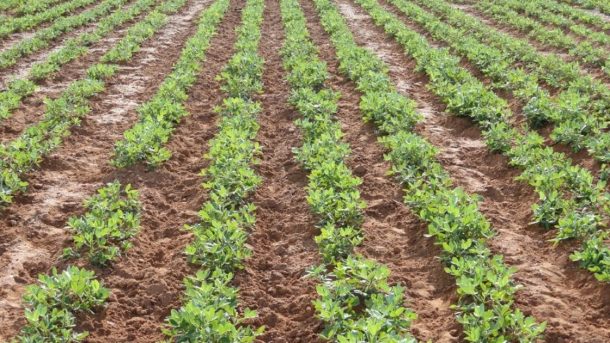
Two hand weeding or interculturing twice or thrice between the rows till the crop permit (up to flowering only) should be carried out for controlling the weeds. In scarcity and unavailability of labour, pendimethalin @ 1.0 kg/ha or fluchloralin @ 1.5 kg/ha as preemergence application is found effective for controlling the weeds.
In summer groundnut, Oxyfluorfen @ 0.24 kg/ha as pre-emergence followed by one hand weeding and interculturing at 45 days of sowing should be carried out for controlling the weeds. If it is not possible to spray the above weedicide after sowing the crop, same should be applied at the same rate as pre-planting. In south Saurashtra, for effective control of weeds in summer groundnut, two hand weeding and interculturing at 20 and 40 days of sowing should be carried out. For chemical weed control, fluchloralin or pendimethalin @ 1.0 kg/ha as pre-emergence along with one hand weeding and two interculturing should be carried out.
When and how to harvest groundnut?
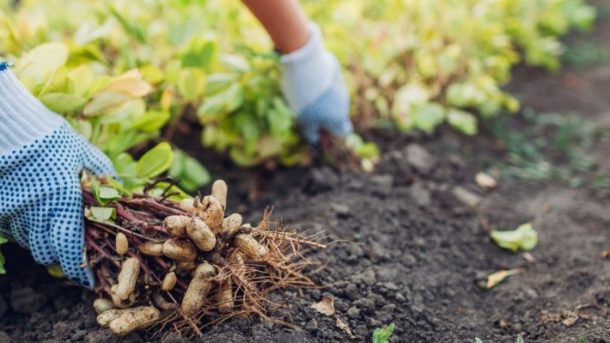
Optimum harvest time is determined by uprooting a few representative plants from different spots in the field around the expected time of maturity and checking the inner side of the pod shell, which shows black colour when mature. When 75-80% pods in case of Spanish/ Valencia cultivars and 70-75% pods in case of Virginia cultivars show internal pericarp darkening, the crop is ready for harvest. If sprouting of seeds is observed in Spanish/Valencia cultivars (due to rains at harvest time in cultivars lacking fresh seed dormancy), the crop should be harvested as soon as the conditions permit without waiting for 75-80% of pods to mature. Over maturity or delay in harvesting can result in greater pod loss in the soil and deterioration in pod quality.
Which sowing method is followed in Groundnut?
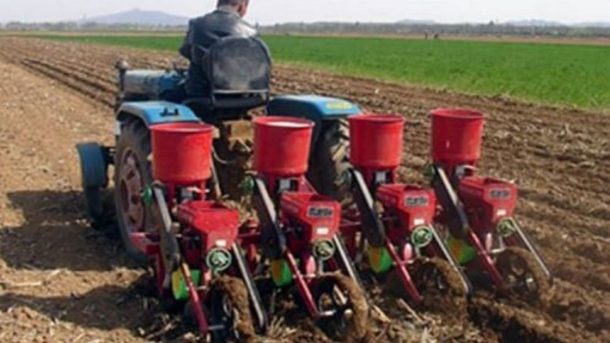
The use of seed drill (bullock-drawn or tractor-mounted) is recommended as it results in faster sowing, quicker emergence and uniform plant stand. There should be enough moisture in the soil before sowing to ensure quick and uniform germination. In case of dry sowing, irrigation should be provided soon after, preferably with sprinklers. Flood irrigation should be avoided.
How pruning is done in Plum cultivation?
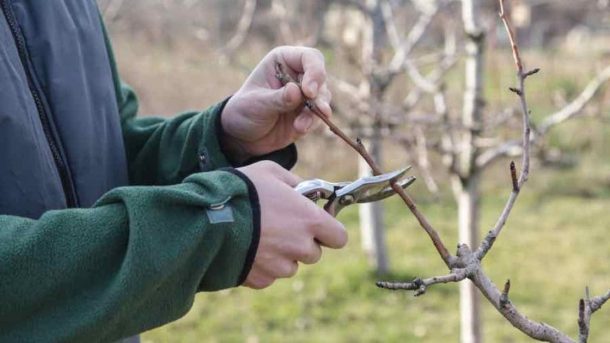
Plums bear on one year old shoots and short spurs depending upon the nature of cultivar. Normally no pruning may be given in the first year of bearing. Remove only criss- crossing shoots and water shoots. Do not to open the tree from inside in the first year of bearing. Remove only criss-crossing shoots and water shoots. Do not to open the tree from inside, let the thin branches have leaves which contribute toward the maturity of other shoots and spurs.
A little pruning to the out growing branches may be done in fifth year onward. The severity of pruning depends upon the planting distance. When plum is planted as filler in pear it may require early severe pruning due to lesser planting distance than in litchi and mango. The cuts may be treated with Bordeaux paste/paint.
What is Alternate Wetting Drying and Dry Seeded Rice (AWD-DSR)?
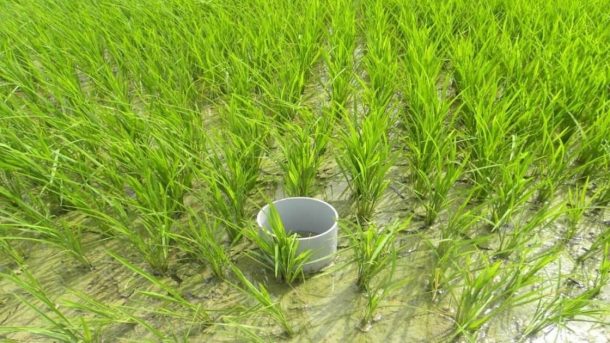
In India, paddy rice cultivation occupies about 44 million hectares – the largest rice-producing area in Asia – and accounts for 20 per cent of total rice production worldwide. AWD reduces the frequency of flooding in rice farms, thus improving soil quality. Better soil structures allow farmers to intercrop rice with other agricultural crops, which in turn leads to diversified farming systems, providing multiple sources of income. AWD-DSR also reduces the incidence of certain pests and diseases, further improving yields and boosting farmers’ resilience.
In 2021, nurture.farm ran the AWD-DSR programme on 22,000 acres in Punjab and Haryana. In the winter season, nurture. farm led the programme on 120,000 acres in Andhra Pradesh and Telangana. Over the course of both programmes, over 80,000 small and marginal farmers were supported with the technology to perform AWD-DSR, which led to 15 per cent to 30 per cent water savings.
Why kiwi becomes flat and how it can be managed?
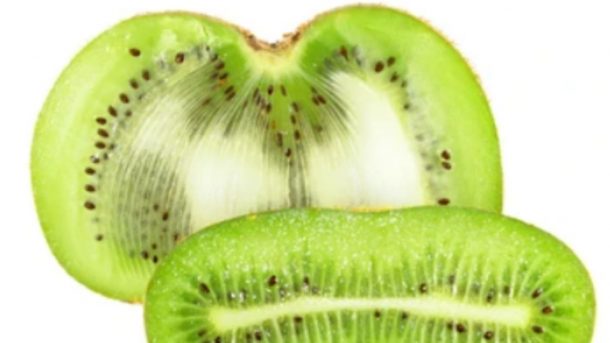
This disorder is named due to flattened shape of kiwi fruit. This distortion of fruit from its normal shape is due to the development of flattened fruits is quite common in Monty cultivar in India. The reason assigned to this malady is improper pollination. The proportion of flattened fruits in kiwi can be controlled by hand pollination or provision of suitable pollinizers like honeybees in the orchard.
What is black tip in mango and how it can be controlled?
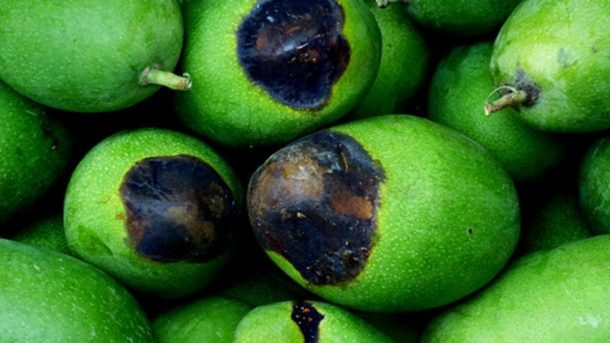
Black tip is a serious disorder of mango particularly in the cultivar Dashehari. The affected fruits become unmarketable and reduce the yield to a considerable extent. Black tip disorder has generally been detected in orchards located in the vicinity of brick kilns. It can be controlled by planting of mango orchards in North-South direction and 5 to 6 km away from the brick kilns may reduce incidence of black tip to a greater extent. Spraying borax (1%) or other alkaline solutions like caustic (0.8%) or washing soda (0.5%) is also effective. The first spray of borax should be done positively at pea stage followed by two more sprays at 15 days interval.
How pollination occurs in Hazelnut farming?
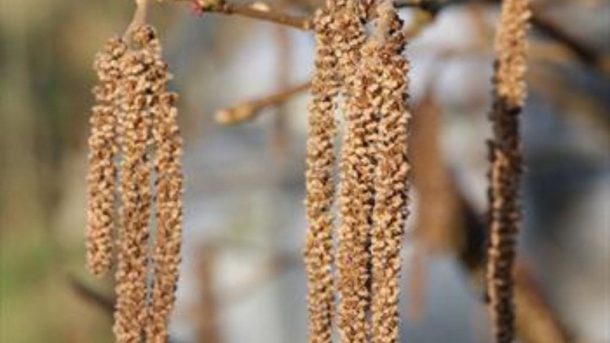
Hazelnut trees are wind pollinated. In cold weather during the flowering time can destroy flowers and reduce fruit set. The trees are in theory self-fertile meaning the pollen from the male flowers can pollinate and fertilize the female flowers on the same plant. Though the blossoming times of the male and female flowers on the same plant do not always coincide and for this reason, it is recommended to plant 2 or more different tree cultivars to increase the likelihood of pollination occurring. Some cultivars require pollinating partners so research your cultivars well. The pollen germinates as soon as it reaches a receptive flower but the fertilization does not take place for another 4 to 5 months in June.