Crop varieties

What is Hardneck Garlic?

Hardneck Garlic

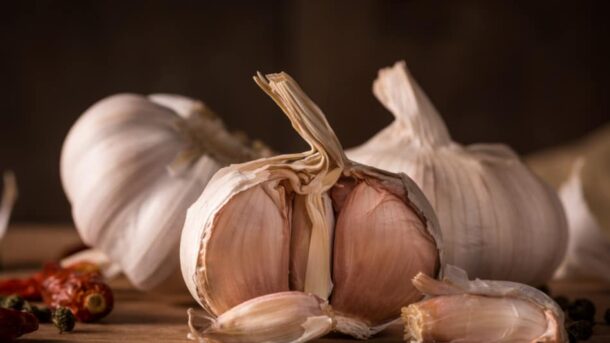
Hardneck garlic is a type of garlic that is characterized by a hard stem (or “neck”) that grows from the center of the bulb. This hard stem is a key distinguishing feature of hardneck garlic, as it differentiates it from softneck garlic, which does not have a hard stem.

Known for larger, more robust bulbs and has a stronger, more pungent flavor than softneck garlic. It is also easier to peel and typically has fewer cloves per bulb compared to softneck garlic.

Hardneck garlic is best suited for cooler climates, as it is more hardy and can survive winter temperatures better than softneck garlic. It is also preferred by some farmers and garlic enthusiasts due to its unique flavor and versatility in cooking. It is generally produces a single ring of 6-10 cloves.

Overall, it is a type of garlic that is well-regarded by many for its taste, versatility, and resilience in growing conditions, making it a popular choice for both culinary and farming purposes.
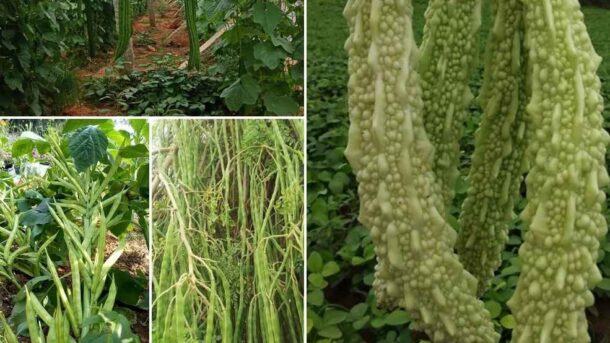
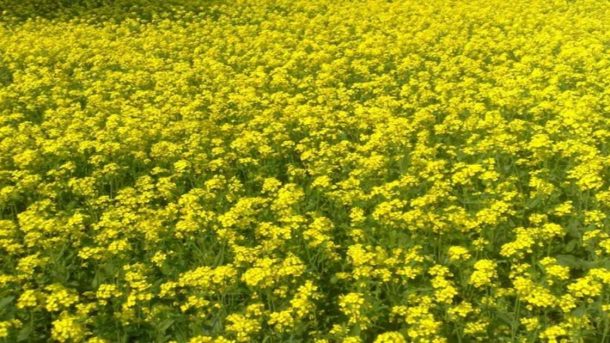
which are the Best crops for winter season to plant in india?

winter

Some popular winter crops in India include mustard, radish, carrot, turnip, cauliflower, broccoli, cabbage, and spinach. These crops are well-suited for the cooler temperatures and shorter days of winter, and can be planted in most regions of the country during this time. Additionally, some regions of India have specific winter crops that are well-suited to the local climate and soil conditions, such as rabi crops in the northern and western regions.

What is Rajendra Arhar – 1 and it belongs to which cultivar?

Rajendra Arhar

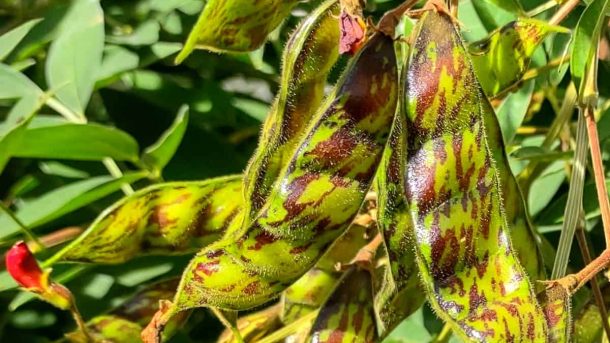
Rajendra Arhar 1 is the cultivar of Pigeon pea. It is suitable for upland and mechanical harvesting with 28-30 q/ha average yield. It matures within 200-245 days. It is high yielding, erect and determinate, large pod bearing zone, long green black streak pod with bolder seed than Pusa-9, resistance against sterility mosaic disease and moderately resistant against wilt.

What is Rajendra Kauni – 1 and it belongs to which cultivar?

Rajendra Kauni

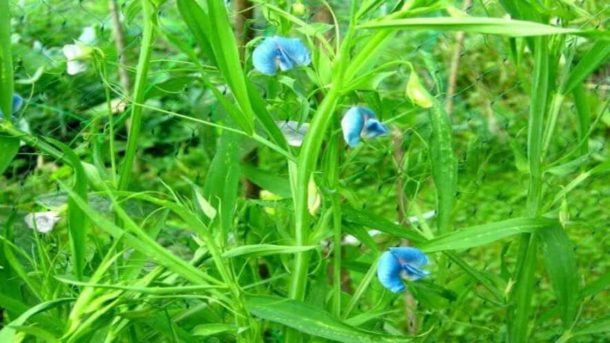
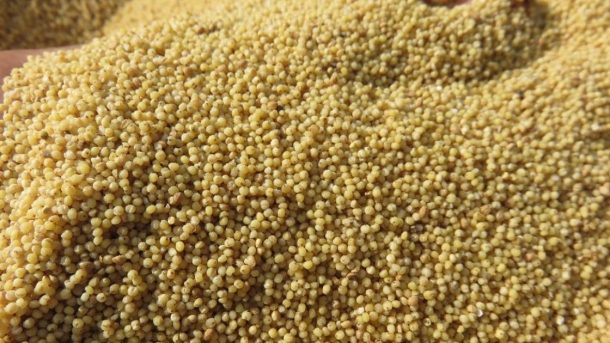
Rajendra Kauni-1 is the cultivar of foxtail millet. Its average yield is 24.50 q/ha. It is erect, having light green colour leaves medium lobe, brown colour panicle, brown awns with medium attitude with height of 122- 140 cm. It matures in 81 days. It possesses high degree of resistance against leaf blast, rust, smut, brown spot, downy mildew and leaf blight. It has superior quality with high iron content (15.45 mg/100g) and zinc (5.02 mg/100g).

What is Shaktiman-2 and it belongs to which cultivar?

Shaktiman-2

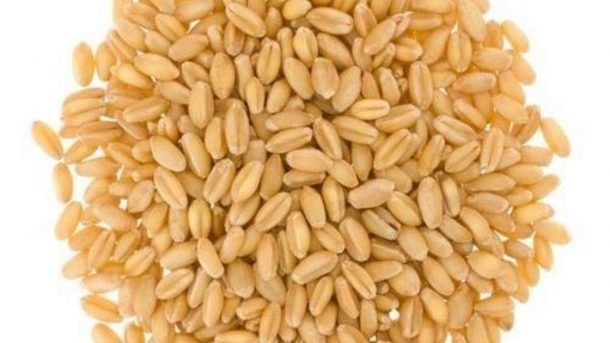
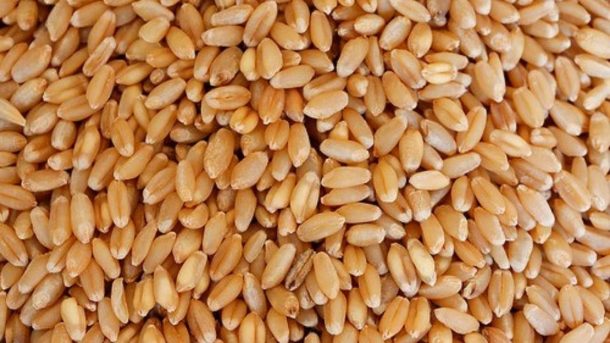
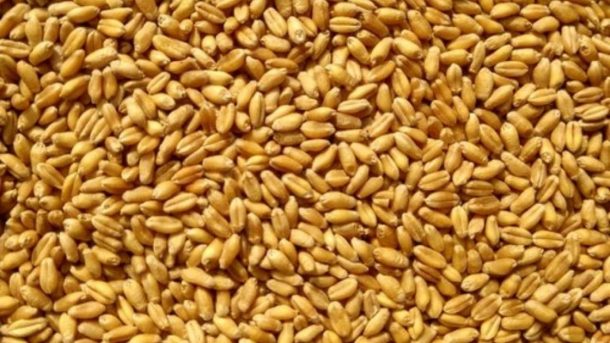
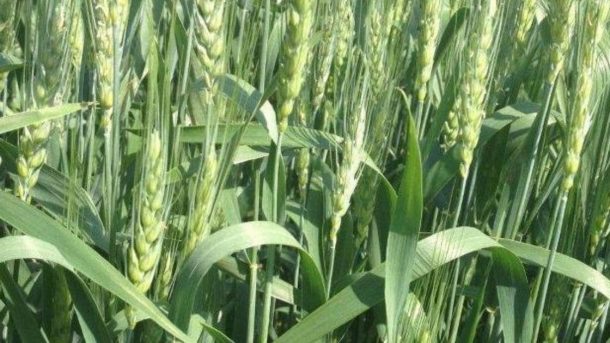
Shaktiman-2 is the cultivar of wheat. Medium tall (178 cm) and has an average ear height (69.0 cm). The plant sheds pollen in 108 days in rabi season and matures within 150 days. The leaves are narrow and dark green, tolerant to rust and turcicum Leaf blight diseases. It has good level of resistance against downy mildew, leaf blight and rust. Kernels of this hybrid are white flint having high quantity of tryptophan, yield potential in rabi is 85 q/ha.

What is Shaktiman-3 and it belongs to which cultivar?

Shaktiman-3

Shaktiman-3 is the cultivar of wheat. The plants are of medium stature with broad and dark green leaves. It matures within 95 days in kharif season and 155 days in rabi season. Plants are resistance to leaf blight, downy mildew and rust. This QPM hybrid has 9.63 per cent protein in grain, 0.73 per cent tryptophan and 2.96 per cent lysine in grain protein with orange yellow flint kernels, yield potential 70 q/ha in kharif and 90 q/ha in rabi.

What is Shaktiman-4 and it belongs to which cultivar?

Shaktiman-4

Shaktiman-4 is the cultivar of wheat. The parents are of medium stature with broad, curled and dark green leaves. Plants usually bears two big cobs having semi flint grains of orange yellow colour and also a good level of resistance against major diseases and pests. It has 9.88 % protein, 0.93 % tryptophan and 3.78 % lysine in grain protein, yield potential 75 q/ha in kharif and 95 q/ha in rabi.