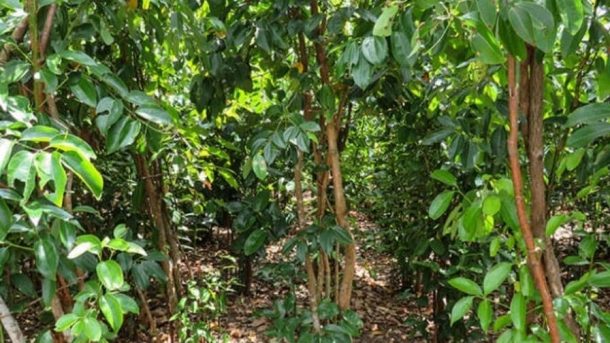
Cinnamon is commercially cultivated as a rainfed crop and being a hardy plant, Cinnamon is suitable for a wide variety of climatic conditions. It thrives well at an altitude of about 1000 m and a yearly rainfall of 200- 250 cm is suitable for cinnamon cultivation. Cinnamon requires a hot and humid climate and an average temperature of 27°C are ideal for its cultivation.
climate
Do bay leaves require direct sunlight?

Young bay plants should be planted in the spring after all dangers of frost have passes, allowing the plants to establish themselves before the summer. Choose a shady place in full sun that is protected from severe gusts.
What is the climate required for walnut farming?
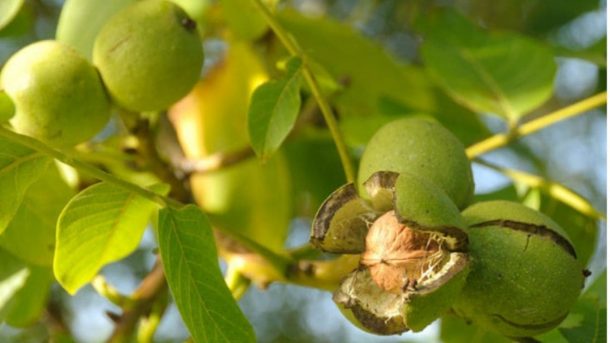
Walnuts usually grow well in cool climatic conditions. Frost conditions during spring may not suitable for walnut growth. They also do not prefer hot summer areas. An evenly distributed annual rainfall of 800 mm is suitable for its optimum growth and yield. Temperature above 38° C results in sun burning of hulls and shrivelled kernels and impacts the yields severely.
How temperature affects the nutrition uptake of plants?

Increased temperature stress reduces nutrition uptake and subsequent assimilation. Calcium absorption in Maize is lowered when the temperature is raised to 28 degrees Celsius. Rice nutrient absorption is influenced by soil and air temperature. The activity of nitrate reductase decreases at high temperatures.
How climate influences crop ?

Climate is the most crucial determining element in a crop’s fitness for a specific region. The crop’s yield potential is mostly determined by the weather. Climate is responsible for more than half of crop fluctuation. Solar radiation, temperature, and rainfall are the most essential climatic elements that influence crop growth, development, and yield.
What is the climate requirement for anthurium?
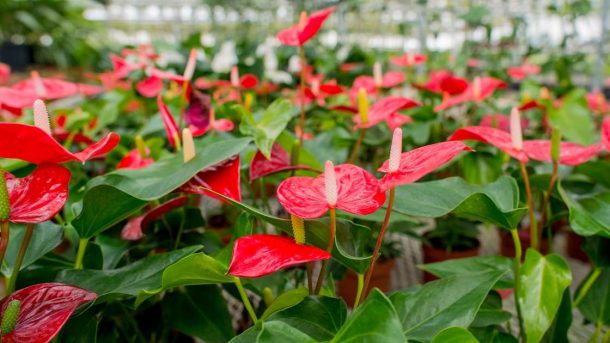
Anthurium prefers a permeable, well-drained, aerated soil with plenty of organic matter. The pH of the soil should be between 5.5 and 6.5. It thrives under green shade nets with 70–80 percent shade intention, 80–90 percent humidity, 24–28°C daytime temperatures, and 15–22°C nighttime temperatures, and 1500–2000 foot candles light intensity.
How high relative humidity affects plants ?

Very high relative humidity reduces evapotranspiration, increases heat load of plants and results in stomatal closure. It causes reduced CO2 uptake and reduced transpiration influences translocation of food materials and nutrients. Moderately high RH of 60-70% is beneficial. Low RH increases the evapotranspiration
What are the effect of relative humidity on crop ?
Relative humidity (RH) has a direct impact on plant water relations and has an indirect impact on leaf growth, photosynthesis, pollination, disease occurrence, and, ultimately, economic production. Because there is less transpiration when the humidity is low, the turgor pressure is high. As a result, leaf elongation is common in humid environments. RH has an indirect effect on photosynthesis. When the relative humidity (RH) is low, transpiration rises, resulting in water deficiencies in the plant. Many crops benefit from moderately low air humidity, as long as the soil moisture supply is adequate. Insect pests and diseases are more common in high-humidity environments.
What’s the impact of acid rain ?

Acid rain results in acidification of soil and lakes , deterioration of buildings made of rocks ,and deterioration of trees and forests . Acid rain causes contamination of water sources due to seperation of poisonous minerals such as aluminum and mercury from the surrounding ground.