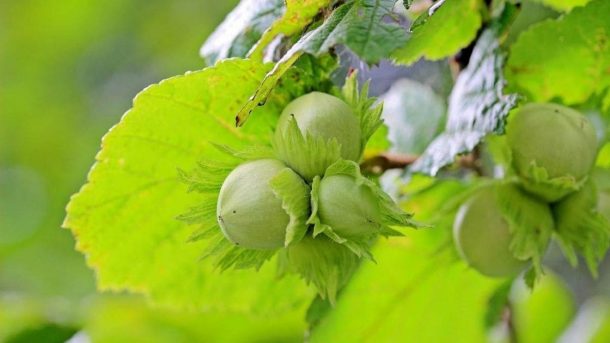
Under moderate climate, Hazelnut tree produces satisfactory crop along with the minimum temperature level of -10°C. therefore in a different region of India, Hazelnuts is grown in areas such as Jammu and Kashmir, Northern Easter Himalayan and Uttarakhand.
climate
What is the soil temperature required for Oats seed germination?
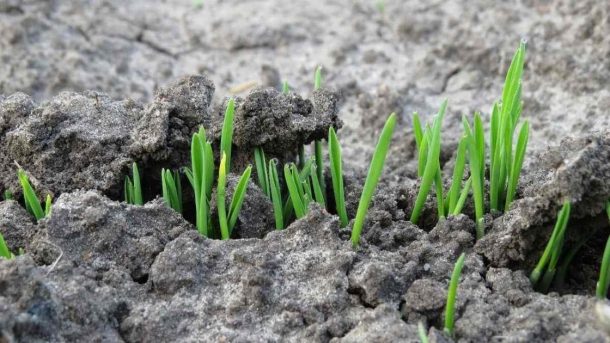
Oat’s seed will germinate at 5°C. Though, like most plants, oats will germinate faster as soil temperature increase; the goal is to balance an early planting date with biological limitations and the potential for seed predation or pathogen issues. While early planting dates means higher yield and test weight potential, this spring has pushed the limit on what early planting can mean with some farmers planting in early to mid-march.
What are the climatic conditions required for Castor?
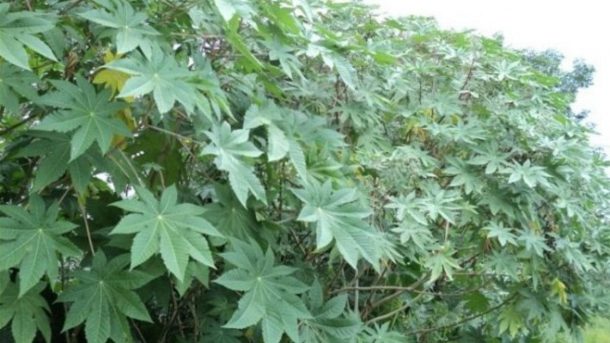
Castor is C3 pathway plant that grows optimally at constantly high temperature levels of 20-26°C but can tolerate temperature levels between 0 to 40°C. In colder areas, it grows well if the summers are sufficiently warm. It is a pioneer plant that is growing in flood zones, abandoned farmland and along roads. About 500 mm of rain is required between planting and harvesting castor but it can grow in areas with lower as well as much higher rainfall. Depending on the variety it requires a 140 to 180 day growing season. Under severe water stress, no seeds are set and too high air humidity increases pest and mould problem. About 30 to 60% humidity is considered ideal.
What are the climatic conditions required for Custard apple?
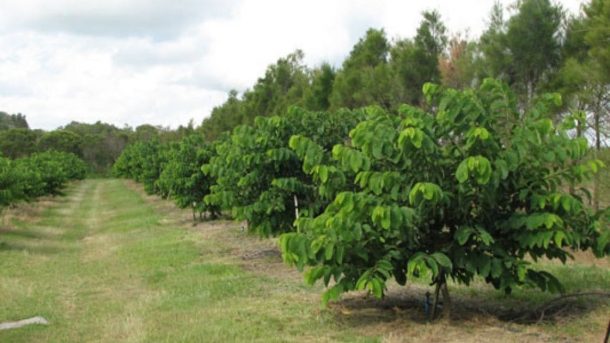
Custard apple flourishes best on the dry and hot climate. It requires light soil and is generally grown on the slope of hills. The plants are raised from seeds and bear fruit in about 3 to 4 years. The plant flowers from April to may and bears fruit between August and November. The major climatic factors limiting the commercial production of custard apple are temperature and humidity. Warm, well protected and frost-free sites receiving a summer rainfall are most suitable.
How temperature plays a significant role in the development of sea weed?
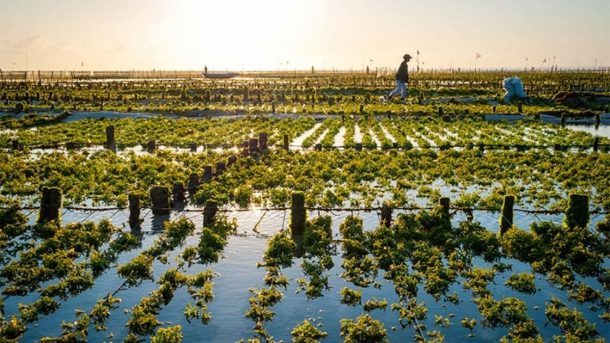
Higher water temperature tends to slow the development of sea weeds. Most sea weed species produce the fastest from January to May and are at their most productive during the spring. Their development rate slows down as the water temperatures rise from June to September, the slowest growth rate brings in August. Once the sea temperature starts to cool in the autumn, the growth rate starts to pick up again, mainly after November.
What is the climatic requirement for Rose Apple growing?
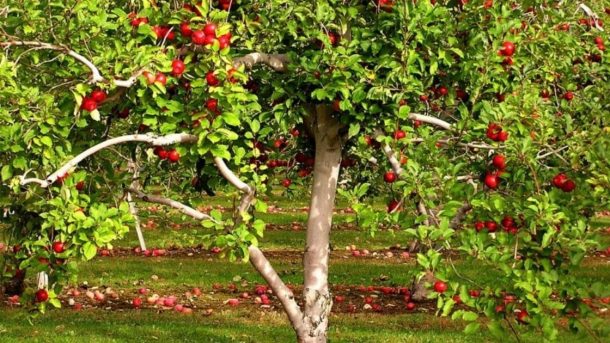
The rose apple belongs to tropical fruit tree species and it thrives well at the temperature range of 25 to 32°C. Cool temperatures enhance total soluble solids and skin anthocyanin accumulation in rose apple fruits. For better growth of the tree, higher yield and quality produce, this crop requires a high-water supply.
What is the climatic requirement for soursop fruit farming?
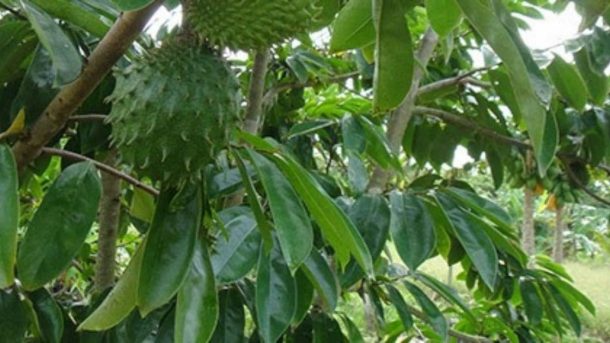
Soursop crop thrives well from sea level up to 300 to 400 meters. The soursop trees are adapted to regions of high humidity and warm winters. The temperature below 5°C may result in damage to tree leaves and small branched and the temperatures below 3°C can be more harmful. In these conditions, the soursop fruits will become dry and not good for any concentrate.
What are the climatic conditions required for beans plantation?
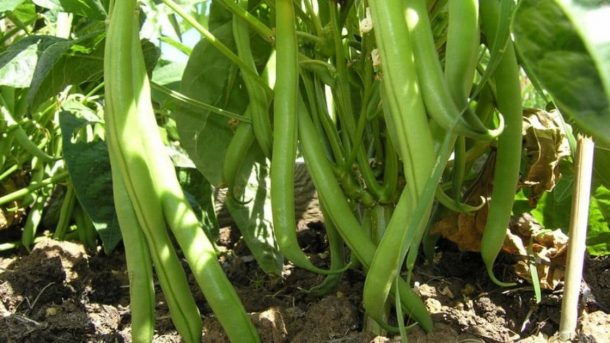
Common Indian beans grow within a range of temperature of 17.5 -27°C requires a cold climatic condition. Temperature above 30°C may cause the bean flower buds to fall and in temperatures above 35°C, bean seeds might not form. Apart from this, beans are very sensitive to the night frost.
What is the climatic requirement for Pistachio cultivation?
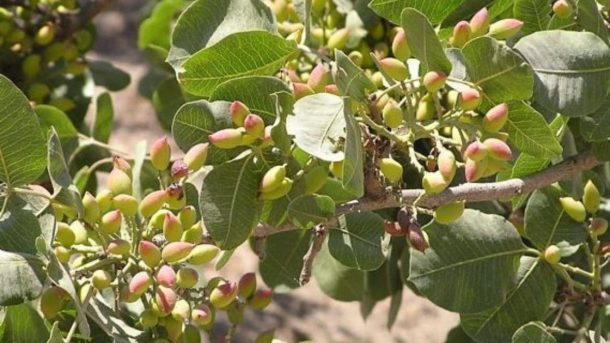
Weather condition is most important factor in growing pistachio crop. These nut trees prefer day temperatures above 36°C and winter months cold enough to complete their dormant periods 7°C. These trees don’t grow well in high elevations due to the cool temperatures. In India, Jammu and Kashmir is natural location to grow pistachio nuts.
Which climate is suitable for Brinjal production?
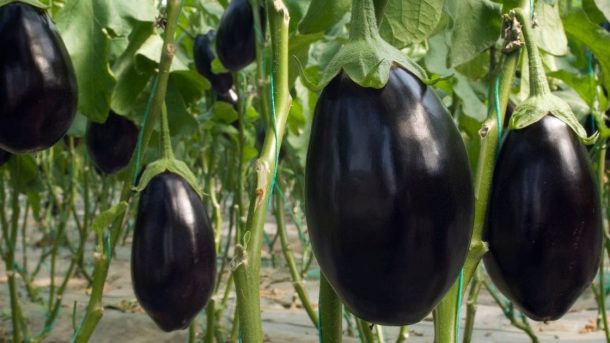
The brinjal is warm season crop, therefore susceptible to severe frost. Low temperature during cool season causes deformation of vegetables. A long and warm growing season desirable for successful brinjal farming. Cool nights and short summers are not suitable for satisfactory production. A daily average of 13 to 21°C is most favorable for optimum growth and yield. The brinjal seed germinates well at 25°C.