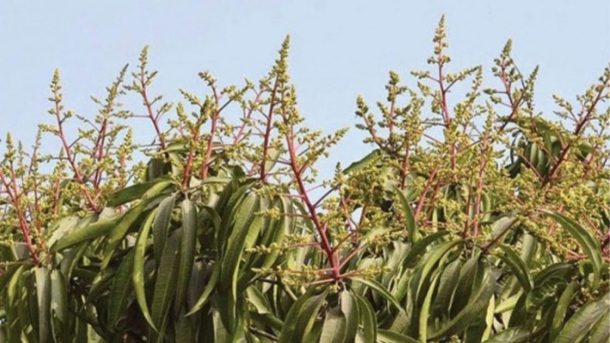
Mango flowering occurs during the coolest months of the year. Flowering requires 4–6 weeks of shoot dormancy and cool night temperatures to trigger floral induction of the terminal buds. The absolute temperature needed for floral induction varies among varieties and climates, but night temperatures between 8°C and 15°C (46–59°F) with day temperatures around 20°C (68°F) are typically needed. Better flowering is seen in trees growing in the subtropics where the seasonal temperature differences are stronger and more reliable than in the hot tropics. In Hawaii, the main flowering is between December and April.
climate
What is the Climatic requirement for Pumpkin planting?
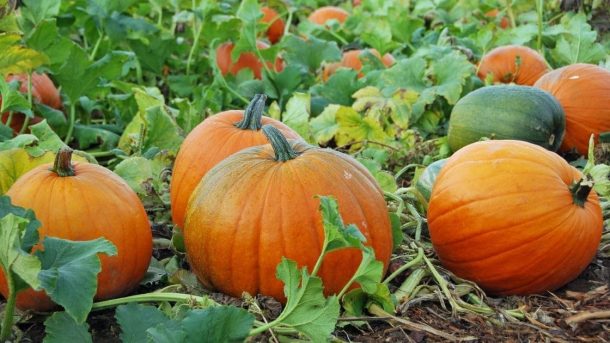
Pumpkin needs min temperature of 18°C at the early stage of its growth. Ideal temperature range is 25 to 28°C for its cultivation. It adopts a wide range of rainfall condition and also tolerates low temperatures.
What is the climatic requirement for Snake gourd cultivation?
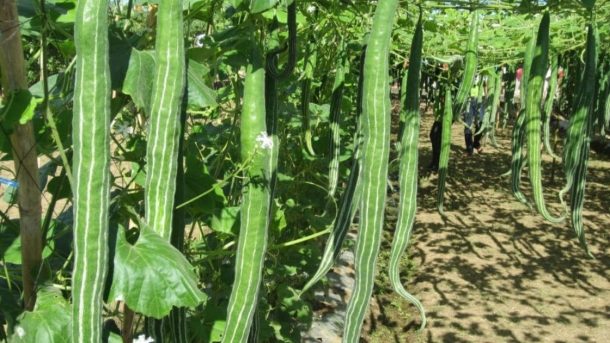
Snake gourd needs a warm and humid climate for better plant growth and fruit development. A temperature range of 30-35°C with a minimum threshold limit of 20°C is ideal for its successful cultivation since temperature below 20°C restricts plant growth, and temperature above 35°C is harmful for its growth, flowering, and fruiting.
What is the climatic requirement for groundnut farming?
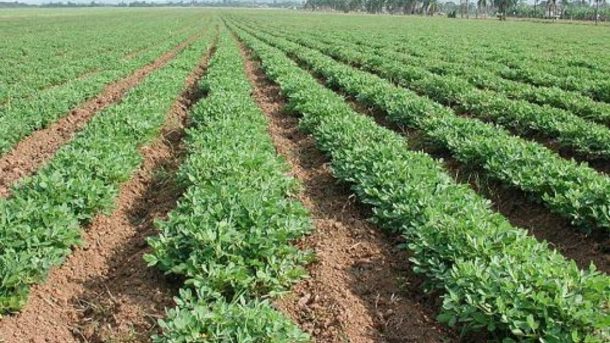
Groundnut is a tropical plant requires a long and warm growing season. It grows well in areas receiving 50 to 125 cm of well-distributed rainfall during growing season, abundance of sunshine and relatively warm temperature. Soil temperature is an important factor and its effects are critical on seed germination, emergence of seedlings, early plant growth, rate of flowering, and pod development. When soil temperature goes below 19°C, emergence of seedlings is low. The optimum temperature for vegetative growth of groundnut is ranging in between 26 to 30°C depending on the cultivar. Reproduction growth is maximum at 24-27°C. The maximum rate of growth of pods between 30 to 34 °C as it requires about a month of warm and dry weather. Light influences both photosynthesis and respiration in groundnut. The opening of flowers and number of flowers both depend on light.
Why fruit drop occurs in mango?
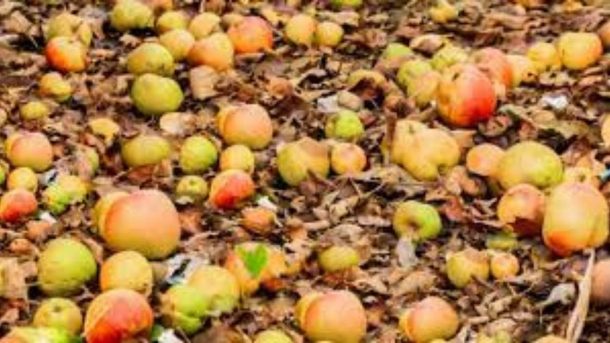
Despite high fruit set initially, the ultimate retention is quite low in mango. The intensity of fruit drop, varies from variety to variety. Among the commercially grown varieties, Langra is more susceptible to drop while Dashehari is the least. The fruit drop is more or less a continuous process and can be classified into three groups: (i) Pinhead drop, (ii) post-setting drop and (iii) May-month drop.
Embryo abortion, climatic factors, disturbed water relation, lack of nutrition, disease, pest and hormonal imbalances are the major factors that lead to fruit drop.
What is the climatic requirement for Hazelnut farming?
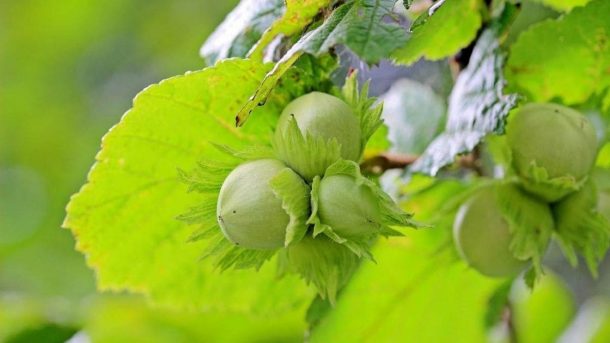
Under moderate climate, Hazelnut tree produces satisfactory crop along with the minimum temperature level of -10°C. therefore in a different region of India, Hazelnuts is grown in areas such as Jammu and Kashmir, Northern Easter Himalayan and Uttarakhand.
What is the soil temperature required for Oats seed germination?
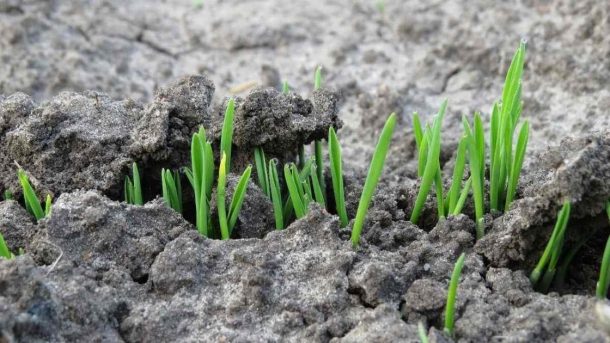
Oat’s seed will germinate at 5°C. Though, like most plants, oats will germinate faster as soil temperature increase; the goal is to balance an early planting date with biological limitations and the potential for seed predation or pathogen issues. While early planting dates means higher yield and test weight potential, this spring has pushed the limit on what early planting can mean with some farmers planting in early to mid-march.
What are the climatic conditions required for Castor?
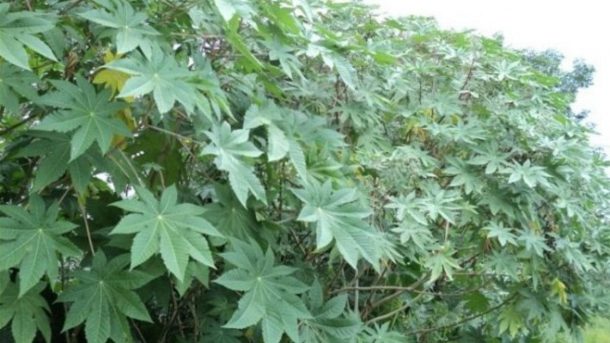
Castor is C3 pathway plant that grows optimally at constantly high temperature levels of 20-26°C but can tolerate temperature levels between 0 to 40°C. In colder areas, it grows well if the summers are sufficiently warm. It is a pioneer plant that is growing in flood zones, abandoned farmland and along roads. About 500 mm of rain is required between planting and harvesting castor but it can grow in areas with lower as well as much higher rainfall. Depending on the variety it requires a 140 to 180 day growing season. Under severe water stress, no seeds are set and too high air humidity increases pest and mould problem. About 30 to 60% humidity is considered ideal.
What is the climatic requirement for soursop fruit farming?
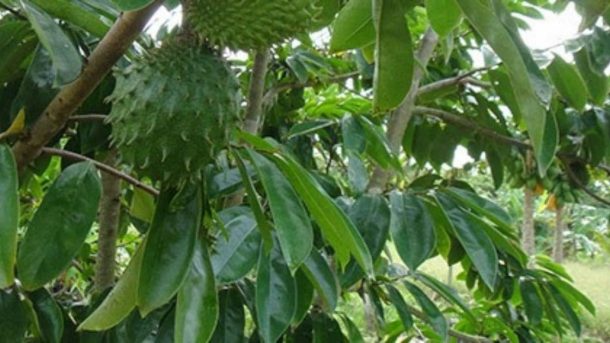
Soursop crop thrives well from sea level up to 300 to 400 meters. The soursop trees are adapted to regions of high humidity and warm winters. The temperature below 5°C may result in damage to tree leaves and small branched and the temperatures below 3°C can be more harmful. In these conditions, the soursop fruits will become dry and not good for any concentrate.
What are the climatic conditions required for beans plantation?
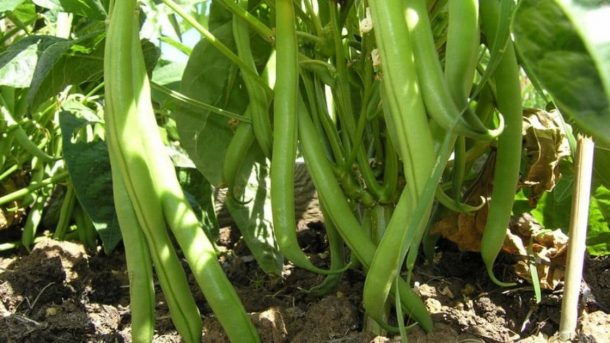
Common Indian beans grow within a range of temperature of 17.5 -27°C requires a cold climatic condition. Temperature above 30°C may cause the bean flower buds to fall and in temperatures above 35°C, bean seeds might not form. Apart from this, beans are very sensitive to the night frost.