Agricultural market

How does the absence of effective market linkages and value chain integration impact farmers’ income opportunities?

farmers

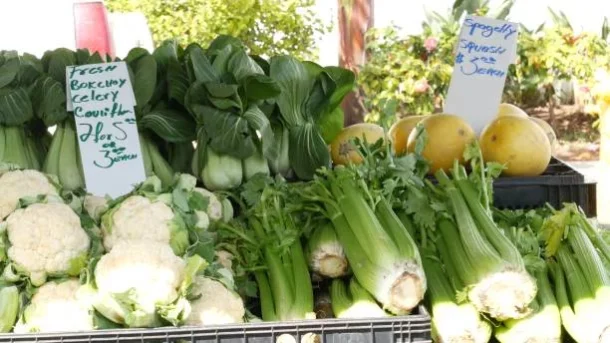
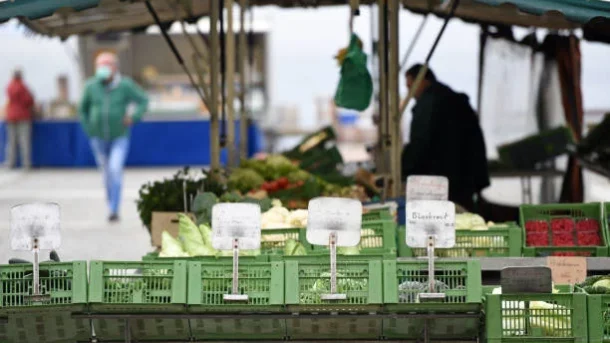
Limited market access: Farmers may encounter difficulties finding markets for their agricultural products in the absence of strong market connections. Farmers’ capacity to access customers and offer their goods at competitive pricing may be limited by geographical constraints, inadequate transportation infrastructure, and a lack of market knowledge. Farmers may be forced to rely on local middlemen or intermediaries who may provide lower pricing as a result of their limited market access, which will affect their income.

Price volatility and exploitation: Farmers are frequently more at risk from price fluctuation when there are weak market ties. When market prices are low and they are compelled to sell their produce right away after harvest, their profitability may suffer. Moreover, farmers may be at a disadvantage when negotiating rates with customers if they lack direct access to markets and information.

Lack of market data: Farmer need up-to-date, reliable market data to make decisions regarding what to produce, when to sell, and where to sell their products. Farmers may find it difficult to successfully plan their production and marketing strategy in the lack of trustworthy market information due to uncertainties. This may lead to misaligned supply and demand, price changes, and fewer chances for employment.

Insufficient value addition: Adding value to agricultural products is essential if farmers are to increase their profitability. Farmer may lose out on chances for value addition, such as processing, packaging, and branding, if the value chain is not properly integrated and coordinated.
How does the lack of infrastructure for post-harvest handling and storage contribute to food losses?

post-harvest

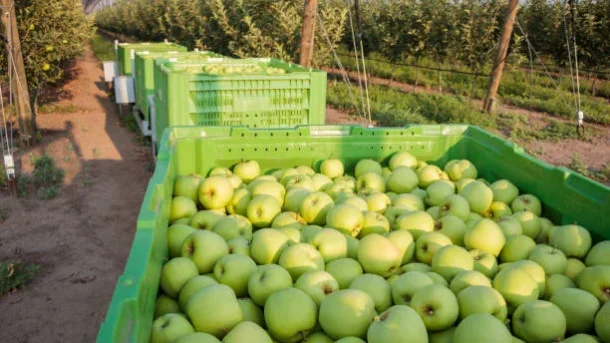
Poor handling techniques: Farmers and traders frequently adopt subpar handling techniques in the absence of suitable infrastructure, such as warehouses, sorting facilities, and transportation networks. Inadequate protection against physical damage and contamination, inappropriate loading and unloading, and rough handling are a few examples of this. These procedures can cause post-harvest losses since the produce will bruise, rot, and degrade.

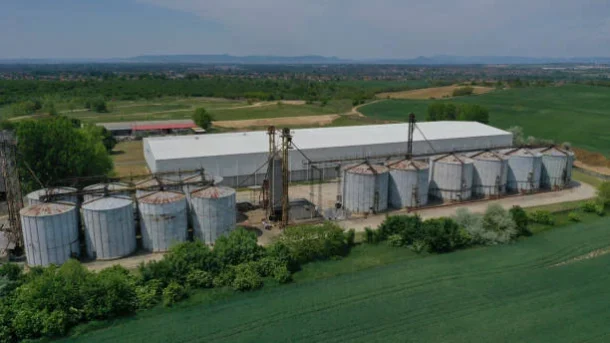
Lack of storage space: Food losses may result from a lack of storage space in silos, cold storage facilities, and warehouses. Agriculture items that degrade quickly are more prone to pests, illnesses, and improper storage. Lack of temperature and humidity management can hasten the deterioration of stored product in areas with high temperatures and humidity.

Value addition and processing are limited; hence, post-harvest infrastructure is essential for these operations. The processing and preservation of agricultural goods are hampered by a lack of facilities, including processing plants, drying facilities, and packing facilities. This may restrict the potential to turn raw produce into value-added goods like processed foods, which have a greater market value and a longer shelf life. Without these resources, farmers could be forced to sell their harvest right away, which could result in losses if there is little market demand or if pricing are poor.

Systems of transportation that are insufficient: Timely and safe delivery of agricultural products from farms to markets or processing facilities depends on effective transportation.

How does the limited availability of agricultural labor and skilled workforce affect farm operations?

farm operations

Farm operations may be hampered by a manpower shortage in the agricultural industry, especially during times of high labor demand like planting, harvesting, and post-harvest activities. Farmers might find it difficult to quickly fill open positions with enough people. Delays in planting or harvesting, decreased effectiveness, and significant production losses can result from this.

Increasing labor prices: When there is a shortage of agricultural workers, demand for labor sometimes outpaces supply, driving up labor expenses. To recruit and keep employees, farmers might need to give greater compensation or other benefits. Profit margins may be squeezed as a result of these higher labor costs, particularly for small-scale farmers who may already be operating on a tight budget.

Dependence on migrant labor: Farmers may extensively rely on migrant labor in areas with a shortage of local workers, which might present new difficulties. When it comes to accommodation, transportation, and compliance with labor laws and regulations, migrant labor frequently necessitates specific measures. Farm operations can be disrupted and farmers who depend on migrant labor may experience uncertainty due to changes in immigration laws or the availability of this workforce.

Lack of skilled workers: For some farming operations, in addition to general agricultural labor, the availability of skilled and specialized workers is also crucial. Professionals like agricultural engineers, agronomists, veterinarians, and equipment technicians are examples of skilled labor. The adoption of cutting-edge technologies, precision farming methods, and effective farm management strategies, which call for specific knowledge and skills, may be constrained by the lack of skilled workers.

What are the challenges faced by farmers in adapting to changing consumer preferences and market demands?

consumer

Understanding consumer preferences: Farmers may find it difficult to stay on top of changing consumer tastes. Based on variables like demography, cultural preferences, health considerations, and sustainability issues, consumer trends and preferences may differ. For farmers to comprehend evolving customer needs and modify their production as necessary, they require access to precise market data and insights.

Crop selection and product diversification: Farmers frequently need to change their crop choices and broaden their product lines in order to adapt to shifting market needs. This transition, meanwhile, can be difficult because of things like restricted availability of new seed kinds, ignorance of substitute crops, and the requirement for additional education and resources to successfully grow new crops.

How does the absence of effective market information and price transparency impact farmers’ profitability?

profitability

Limited ability to negotiate prices: Farmers who don’t have access to up-to-date, reliable market information may find it difficult to get fair prices for their goods. Farmers may be at a disadvantage when negotiating with buyers or intermediaries if they are unaware of current market prices, supply and demand dynamics, and price patterns. They might be more willing to accept cheaper prices or unfavorable business terms, which would limit profitability.

Price volatility and risk: Farmers are more vulnerable to price volatility and market hazards in the lack of accurate price information. Farmers’ income and profitability can be dramatically impacted by fluctuating market prices. Farmers may find it difficult to decide when to sell their products without up-to-date information on price changes, which could result in possible losses if prices decline or the sale is missed.

Lack of market knowledge might result in wasteful judgments on resource allocation and output. Due to a lack of knowledge about market demand and price expectations, farmers may choose unfavorable crops, plant them, and increase production levels. This may lead to problems of overstock or undersupply, which would lower profitability and waste resources.

Limited market diversification: Farmers must recognize and take advantage of market opportunities and must have access to market data and price transparency. Farmers may find it difficult to investigate and enter new markets or to locate niche markets that provide higher prices for their produce without access to credible information. This restricts their capacity to expand their customer base, lessen reliance on a single customer, and increase the value of their products.

How does the lack of market infrastructure and value-added processing hinder farmers’ income opportunities?

lack

Limited market access: Farmers’ access to potential customers and markets may be hampered by a lack of market infrastructure, such as transportation systems, storage facilities, and marketplaces. Farmers may encounter difficulties delivering their produce to far-off markets without adequate infrastructure, which could result in higher transportation costs, post-harvest losses, and less market prospects. Their ability to reach a larger customer base and their opportunity for greater sales and profitability are both hampered by this lack of access.

Price instability and exploitation: Without a strong market infrastructure, farmers may be at risk of price instability and unfair business practices. They might not be well-informed about current market prices, which makes it challenging for them to bargain for reasonable rates for their produce. Middlemen or intermediaries may profit from the circumstance by providing low pricing to.

Limited value addition and processing: Activities that increase the value of agricultural products are known as value addition and processing. However, farmers’ capacity to change unprocessed agricultural commodities into higher-value products may be constrained by the absence of processing facilities and value-added activities close to farming communities. Without these resources, farmers could be forced to sell their goods for less money and forgo the extra value that comes from processing and diversification. Value-added processing can support the growth of the rural economy by generating extra employment possibilities.

For the market to achieve the quality and standard requirements needed by consumers and larger marketplaces, market infrastructure is crucial. Farmers may find it difficult to maintain the quality of their crop without adequate storage facilities and processing capabilities, which could result in product deterioration.

How does the limited access to affordable and timely transportation services affect farmers’ market opportunities?

limited

Limited market access and reach: Farmers may have trouble reaching far-off markets if they live in remote or rural locations with poor transportation infrastructure. They are limited in their capacity to move their agricultural products to consumers, wholesalers, processors, or export markets due to a lack of dependable and economical transportation choices. Farmers may experience fewer sales opportunities and decreased profitability as a result of their limited market access.

Cost of transportation increases: Without access to affordable transportation options, farmers may be forced to use pricey transportation methods like renting private trucks or relying on inefficient and time-consuming forms of transportation. Farmers’ profits are impacted by high transportation costs since they must set aside a sizable amount of their income to pay for transportation costs. This limits their marketability and lessens their ability to complete.

Insufficient transportation services might result in ineffective logistics and delays when bringing agricultural products to market. Perishable commodities, such as fresh produce or dairy products, might spoil before they reach their destination as a result of transportation delays. Agricultural products’ quality and shelf life may be affected by these delays, which may lower their market value and consumer attractiveness.

Lack of timely transportation services can prevent farmers from taking advantage of possibilities in time-sensitive markets. Certain agricultural products have distinct demand peaks or market windows, and failing to deliver goods on time may result in lost sales or lower prices. If transportation issues arise, farmers may find it difficult to profit from times of strong demand, such as holiday seasons or specific market events.

How does the absence of supportive policies and incentives hinder the adoption of sustainable farming practices?

policies

High expenses and financial risks: Investing in infrastructure, tools, and training up front is frequently necessary for sustainable farming techniques. Farmers may have financial obstacles in implementing these methods in the absence of supportive policies and incentives. Particularly for small-scale farms with limited resources, the absence of accessible inexpensive loans or financial support can deter farmers from making the essential investments.

Lack of technical expertise: Adopting sustainable farming methods frequently calls for technical expertise and training. Without enabling policies, farmers may only have limited access to consulting services, extension services, and training programs. Farmers may not be aware of the advantages or lack the skills necessary to adopt sustainable practices efficiently due to this lack of information and assistance, which can make it difficult for them to grasp and put them into practice.

Uncertain market opportunities: Adapting crop selection, production techniques, or certification procedures may be necessary for sustainable farming practices. Farmers may be unsure of the market demand for sustainably produced commodities or the economic sustainability of switching to sustainable methods in the absence of supportive regulations and market incentives. Farmers may be deterred from making the necessary adjustments by this uncertainty because they may worry about having limited market access or receiving low returns on their investments.

Limited availability of inputs and resources: In order to undertake sustainable farming, it is frequently necessary to have access to particular inputs and resources, such as organic fertilizers, biological pest control techniques, or better seeds. These resources might be more difficult for farmers to get or more expensive in the absence of supportive policies.

How does the lack of access to information and digital technologies hinder farmers’ decision-making processes?

access to information

Limited understanding of best practices: Farmers must have access to information to stay current on new agricultural methods, best practices, and market trends. Farmers might not be aware of new technologies, improved farming practices, or efficient pest management techniques if they lack access to information. They may be unable to embrace strategies that could increase their production and profitability due to their lack of information, which may prohibit them from making wise judgments.

Ineffective resource management: Digital technologies, such as sensors and tools for precision agriculture, can offer real-time information on crop health, weather patterns, and soil conditions. Farmers are able to make better informed decisions about irrigation, fertilizer, and pest management thanks to this knowledge.

Limited market information: Farmers must have access to market data in order to choose the best crops, set fair prices, and time harvests. Real-time market prices, demand predictions, and data on customer preferences can all be found on digital platforms and mobile applications. However, without access to these tools, farmers might find it difficult to comprehend market dynamics, bargain for reasonable prices, and locate possible consumers for their produce.

Reduced access to financial services: Thanks to the transformation brought about by digital technologies, farmers now have access to credit, insurance, and other financial products. Digital platforms and mobile banking make financial transactions easier to complete, increase loan availability, and lower the risks involved with agriculture. Farmers may find it difficult to obtain formal financial services without access to these technology, which would limit their capacity to invest in better inputs.

What are the problems caused by inadequate storage and transportation infrastructure for perishable crops?

transportation infrastructure

Post-harvest losses: Crops that decay easily, such as perishable fruits, vegetables, and flowers, have a short shelf life. Significant post-harvest losses can occur as a result of spoiling, decay, and quality degradation in the absence of sufficient storage facilities, such as cold storage or refrigeration units. Farmers suffer financial losses as a result, and the market’s supply of fresh produce is decreased.

Limited market access: Farmers may encounter difficulties reaching far-off markets and customers in the absence of adequate transportation infrastructure. Transporting perishable crops effectively and on schedule is essential to preserving their quality and freshness. Farmers may have trouble getting to markets on time if there is insufficient transportation infrastructure, such as well-maintained roads, dependable cold chain logistics, and suitable packaging. Consequently, there may be less market access.

Price volatility: For perishable crops, inadequate infrastructure for storage and transportation can make prices more volatile. Even during times of surplus, farmers may be obliged to sell their crops right away if there aren’t adequate storage facilities. This can cause a market oversupply and a drop in pricing. In contrast, due to restrictions in the transportation infrastructure, farmers may find it difficult to provide perishable commodities at times of strong demand, raising the cost to consumers.

Quality decline: The temperature, humidity, and handling circumstances have a significant impact on the quality of perishable crops. Particularly in hot and humid locations, inadequate storage and transportation facilities can cause quality to decline while in transit. Bruising, rotting, and wilting can all result from improper handling, a lack of temperature control, and lengthy transportation durations.