Agricultural market

 How can soil testing and analysis help optimize nutrient management?

soil testing and analysis

Optimizing nutrient management in agriculture depends heavily on soil testing and analysis. Farmers may ensure that crops receive the nutrients required for optimum growth and reduce the danger of nutrient imbalances or deficiencies by determining the soil’s nutrient status and using that information to make informed decisions regarding fertilization strategies. Here is how improving nutrient management through soil testing and analysis works:

Identifying Nutrient Levels: Soil testing can be used to determine the current concentrations of nutrients in the soil, including important macronutrients like nitrogen, phosphorous, and potassium, as well as micronutrients like iron, zinc, and manganese. Farmers can spot shortfalls or excesses and modify their fertilization plans by measuring nutrient concentrations.

Application of Targeted Fertilizer: Soil analysis assists in identifying the precise nutrient needs of the crop being cultivated. Farmers can determine the right kind and amount of fertilizer to use to suit the crop’s nutrient needs based on the findings of soil tests. The risk of over-fertilization is decreased by targeted fertilizer application, which also minimizes costs and environmental effects while maintaining appropriate nutrient delivery for optimum crop growth.

Customized Nutrient Management Plans: The basis for creating these plans is laid out in the findings of the soil tests. Based on the precise nutrient needs of the crop and the amount of nutrient in the soil, farmers can adjust the rates, timing, and techniques for applying fertilizer. This meticulous method maximizes nutrient uptake and reduces nutrient losses, increasing overall nutritional effectiveness.
What are the different types of CEA systems?

CEA systems

The term “controlled environment agriculture” (CEA) refers to a variety of structures and technologies that offer plants regulated settings for growth. Here are a few examples of the various CEA systems types:

Greenhouses: A controlled environment for plants is provided by enclosed structures made of glass or other transparent materials that enable sunlight to enter. In order to control temperature, humidity, and airflow, they use ventilation, heating, and cooling systems as well as natural light, supplemented when necessary by artificial lighting. A flexible and popular kind of CEA systems that can accommodate a variety of crops and production methods is provided by greenhouses.

Indoor vertical farms: Indoor vertical farms use artificial illumination to grow plants vertically in stacked layers or shelves. These farms frequently employ hydroponic or aeroponic systems, making effective use of available space in crowded cities.

Container farms indoors: Container farms are independent structures often housed inside of shipping containers. These small systems come complete with hydroponic or aeroponic systems, lighting, and climate control. Urban farming, rural farming, or farming in areas with limited space can all benefit from container farms’ mobility and adaptability.

Plant factories, also referred to as growth chambers, are completely regulated indoor spaces where plants are grown with the help of artificial lighting, temperature control, and exact nutrition supply. These systems, which offer the best conditions for plant growth, are frequently employed in research, seedling propagation, and the growth of crops with high market value.

Which scheme provides financial assistance for the establishment of marketing infrastructure for organic products?

financial

The “National Program for Organic Production” (NPOP) is one program that offers financial support for the creation of a marketing infrastructure for organic products in India. NPOP is a government program run by the Ministry of Agriculture and Farmers Welfare that aims to support organic farming methods and the growth of the nation’s organic markets.

Financial support is given under the NPOP for a number of organic product marketing infrastructure-related components. The program seeks to aid in the development of effective and reliable marketing channels that guarantee fair prices, enhanced market accessibility, and enhanced market connections for organic farmers and producers.

The specific NPOP elements that support the organic product marketing infrastructure are as follows:

Development of Organic Value Chains: The program encourages the creation of organic value chains, which entail the construction of marketing infrastructure like collection points, processing units, cold storage facilities, grading and packaging facilities, and certification and quality control labs. The establishment and improvement of such facilities are encouraged through the provision of financial aid.

Development of Organic Markets: NPOP focuses on developing organic markets by offering assistance in opening organic stores, farmers’ markets, and retail establishments that are solely devoted to selling organic goods. To raise consumer knowledge and demand, financial aid is also provided for the advertising and branding of organic products.

Market Promotion and Linkages: In order to enhance direct marketing opportunities for organic farmers, the program promotes participation in organic trade shows, exhibitions, and buyer-seller gatherings. 

Certification and Traceability: NPOP offers financial support for organic certification procedures, covering certification fees as well as costs associated with adhering to organic standards. This ensures that organic products live up to the necessary criteria for quality and authenticity, boosting customer trust and commercial adoption.

Name a scheme that aims to promote the cultivation of pulses and oilseeds in rainfed areas.

oilseeds

The “Pradhan Mantri Annadata Aay Sanrakshan Abhiyan” (PM-AASHA) is one program that tries to encourage the growing of pulses and oilseeds in rainfed areas of India. A government program called PM-AASHA was introduced in 2018 to support farmers’ prices for pulses and oilseeds grown in rainfed regions.

Price Support Scheme (PSS): As part of PM-AASHA, the PSS component intends to give farmers a minimum support price (MSP) for their goods. In the event that market prices drop below the MSP, the government steps in to buy the crops from the farmers at the MSP in order to guarantee that their products will be paid for fairly.

Price Deficiency Payment Scheme (PDPS): Under the PM-AASHA, this alternative mechanism pays farmers directly for the shortfall between the MSP and the real market price. This program gives farmers the freedom to sell their produce on the open market, and in the event that the market price is less than the MSP, they will be compensated with a price deficiency payment.

State governments and other private parties may buy pulses and oilseeds directly from farmers at the MSP thanks to the Private Procurement and Stockist Scheme (PPSS). This program intends to include private sector involvement in procurement, providing a vibrant and open market for agricultural products.

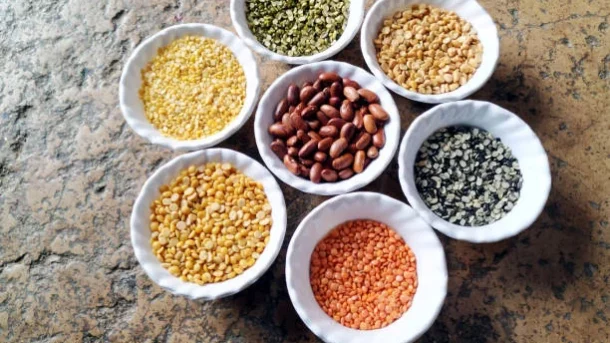
The PM-AASHA program primarily targets oilseeds (such peanut, mustard, and urad) and pulses (like gram, tur, moong, and urad).

Name a government program that provides financial assistance for the establishment of food processing units.

food processing units

The Pradhan Mantri Kisan Sampada Yojana (PMKSY) in India is one instance of a government program that offers financial help for the creation of food processing units. The Government of India developed the PMKSY umbrella program with the intention of upgrading and bolstering the nation’s food processing units.

The establishment of new processing units as well as the enlargement and upgrading of existing units are all covered under the PMKSY’s financial aid program. The program includes marine, meat, poultry, and horticulture items in addition to agricultural and horticultural commodities.

The financial aid offered under PMKSY consists of:

Capital Investment Subsidy: The program provides financial assistance for capital investments made in establishing new processing units or enlarging and upgrading existing ones.

Infrastructure Development: In order to promote the effective handling and preservation of perishable goods, PMKSY supports the construction of infrastructure facilities such as cold storage, warehousing, packaging, and transportation.

Mega Food Parks: The program encourages the growth of these industrial parks, which include integrated infrastructural facilities for food processing. The formation of Mega Food Parks receives financial support, including funding for infrastructure development, shared amenities, and administrative costs.

Backward and Forward connections: In the food processing industry, PMKSY promotes backward and forward connections. In order to enhance the supply chain and guarantee farmers’ access to markets, this includes funding for projects like as farmers’ associations, producer firms, agri-logistics, and market intelligence.

What is the purpose of the National Mission on Agricultural Export Policy (NMAEP)?

Agricultural Export Policy

Increasing Agricultural Exports: Agricultural export policy-related initiatives seek to increase the export of agricultural goods from India. Enhancing market access, finding and promoting high-potential agricultural products for export, and enabling trade agreements and collaborations with other nations are all priorities.

Market Diversification: In order to lessen reliance on a small number of destinations, the programs encourage the diversification of agricultural export Policy. They research and develop new markets, increase the appeal of Indian agricultural products in already-established countries, and develop tools for addressing trade restrictions and problems with market access.

Initiatives for agricultural exports place a strong emphasis on adhering to international quality standards and certifications. In order to guarantee the safety, quality, and traceability of agricultural goods, they encourage farmers, exporters, and other stakeholders to establish and maintain the essential quality management systems and certifications.

The initiatives’ main goals are to build the infrastructure and logistics systems needed to facilitate agricultural exports. To enable the effective and prompt export of agricultural products, improvements must be made to ports, cold storage facilities, transportation networks, packaging and labeling infrastructure, and other relevant facilities.

Name a government initiative that focuses on the development of agri-export zones in India.

agri-export

The “Agri Export Policy” (AEP) is one government effort that concentrates on the growth of agri-export zones in India. The Ministry of Agriculture and Farmers Welfare, Government of India, is responsible for carrying out the Agri Export Policy.

The Agri Export Policy’s primary goals and initiatives typically consist of:

Creation of Agri Export Zones: The strategy intends to identify and create Agri-Export Zones (AEZs) in particular regions that have the ability to produce and export a particular type of agricultural commodity. AEZs are geographical areas that have been classified as having concentrated agricultural production, processing, storage, and logistics infrastructure with the goal of aiding exports.

Infrastructure Development: The policy places a strong emphasis on creating logistical facilities within AEZs. It encourages the development of facilities for cold storage, packing, processing, irradiation, and other relevant infrastructure needed for the effective handling and preparation of agricultural products for export.

Market Access and Promotion: The policy’s main goal is to make it easier for Indian agricultural products to find a market in foreign countries. It consists of programs aimed at enhancing market research, branding, and marketing assistance for Indian agricultural exports. In order to increase the exposure and market reach of Indian agricultural products, the strategy also promotes participation in international trade fairs, buyer-seller meetings, and promotional efforts.

Which government initiative focuses on promoting the cultivation of aromatic rice varieties?

aromatic rice varieties

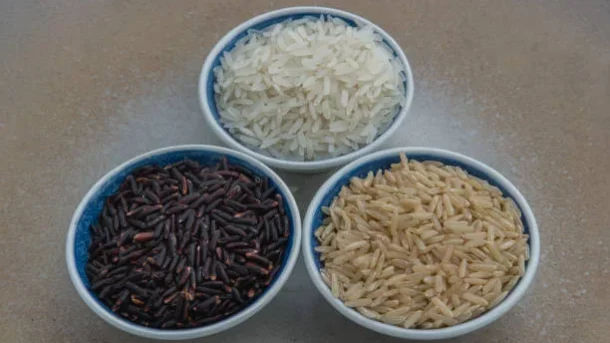
The “National Mission on Sustainable Agriculture” (NMSA), a government program, aims to encourage the production of fragrant aromatic rice varieties in India. The Department of Agriculture, Cooperation & Farmers Welfare, Ministry of Agriculture and Farmers Welfare, Government of India, is in charge of implementing the National Mission on Sustainable Agriculture.

Distribution of Seeds: The NMSA is in favor of providing farmers with high-quality seeds of aromatic rice types. In order to guarantee greater yields, better quality, and genetic integrity of aromatic rice crops, it stresses the use of certified and upgraded seeds.

Technical Assistance: The mission helps farmers grow aromatic rice varieties by offering advice and technical support. In order to promote optimal agricultural practices, water management, nutrition management, pest and disease control, and post-harvest management specifically for the cultivation of aromatic rice, this also involves training programs, demonstrations, and capacity building efforts.

Infrastructure Development: The NMSA is focused on creating the infrastructure required for the production of fragrant rice. To support the cultivation and post-harvest management of aromatic rice crops, this entails the establishment of irrigation systems, water management infrastructure, storage facilities, and other crucial infrastructure elements.

Market Linkages: The mission enables farmers who grow aromatic rice to connect with markets and gain access to markets. For aromatic rice varieties, it encourages value addition, market diversification, branding, and market intelligence, providing better market pricing and enhanced market opportunities for farmers.

What is the main objective of the Market Research and Information Network (MRIN)?

Information

The Market Research and Information Network (MRIN)’s major goal is to make it easier for farmers, dealers, policymakers, and other agricultural stakeholders to effectively disseminate market-related information. The Ministry of Agriculture and Farmers Welfare, Government of India, is responsible for implementing the MRIN.

The Market Research and Information Network’s primary goals and duties typically consist of:

Market Intelligence: The MRIN seeks to compile, examine, and make timely and reliable market intelligence available to stakeholders in the agriculture industry. This includes data on market prices, supply and demand patterns, new product introductions, necessary quality standards, export and import statistics, and other pertinent market-related data.

Price Prediction: For a number of agricultural commodities, the MRIN offers price predictions and outlooks. By offering information on prospective pricing trends, market volatility, and price outlooks for various commodities, it assists farmers and traders in making informed decisions about the production, storage, selling, and buying of agricultural output.

Market Access and Linkages: By giving farmers and traders information on potential customers, market channels, value chains, and marketing infrastructure, the MRIN facilitates market access and linkages for them. It enables enhanced market participation and better price realization by assisting in the connection of producers with potential markets and buyers, both domestically and globally.

What is the main objective of the Market Intervention Scheme (MIS) for agricultural commodities?

Intervention Scheme

The Market Intervention Scheme (MIS) for agricultural commodities’ primary goal is to support farmers by stabilizing perishable agricultural commodities’ prices during periods of market glut and ensuring that their produce will fetch fair market value. The Ministry of Agriculture and Farmers Welfare, Government of India, is responsible for implementing the MIS.

The Market Intervention Scheme’s primary goals and duties typically consist of:

Price Stabilization: When there is an oversupply on the market, the MIS seeks to stabilize the prices of agricultural commodities, especially perishable crops. In order to intervene, it buys the produce directly from the farmers at a predetermined minimum support price (MSP) or pre-announced price, creating a guaranteed market and avoiding distress sales.

Market Support: During periods of market oversupply or abrupt price drops, the program offers market support to farmers. By providing a procurement process that guarantees farmers a fair price and lessens their exposure to market swings and abuse, it fosters a favorable market environment.

Creation of Buffer stockpiles: The Intervention Scheme supports the development of agricultural commodity buffer stockpiles. These buffer inventories serve as a reserve to control market turbulence and keep prices stable. When there is a shortage or prices rise above a particular point, the purchased goods are kept in storage before being reintroduced into the market.

Farmer Income Support: The MIS makes sure that farmers obtain fair prices for their goods by acquiring commodities at MSP or previously published prices.