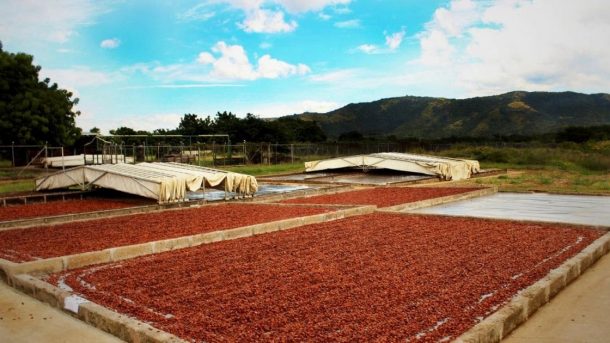
After completion of fermentation, bean is transferred to drying mats or tables or other surfaces depending on the method. During drying, the fermentation process is completed. The next step after the fermentation process is the drying of the Cocoa beans. Under insufficient methods and circumstances, drying can result in loss of quality and production losses. Artificial drying includes the use of an artificial source of heat like fires. Severe rainfall can cause moulding of Cocoa beans and decrease quality. Drying take about 1 week in the sun and gets the bean moisture down to about 7.5 %. Dried beans are sold in jute bags.
ScientificFarmingWeb
How fermentation of Cocoa is done?
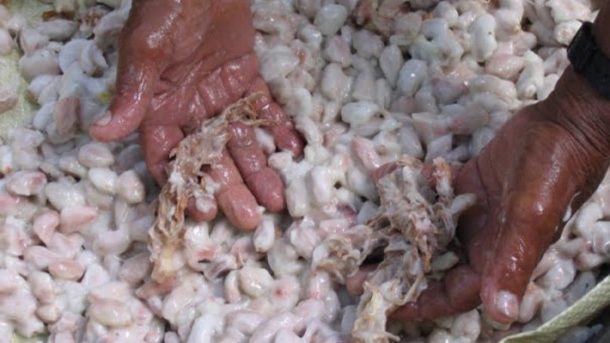
Fermentation takes around 5 to7 days, will be based on the temperature and season. There are several ways in which farmers can involve in the process of Cocoa fermentation. After the Cocoa pulp and beans are removed from the husk, small holders naturally cover the heaps of Cocoa with banana or plantain leaves and let them ferment foe nearly 5 days. This traditional approach to fermentation, though is prone to environmental risk factors. Periods of intense rainfall increase the time required for the fermentation process. Droughts, temperature changes and prolonged dry seasons affect the overall quality and flavor of the product. Farmers occasionally mix the heap on the 2nd or 3rd day to allow for aeration and a more uniform fermentation. In the fermentation process, the Cocoa flavor develops and the beans turn brown.
When and how to harvest Cocoa beans?
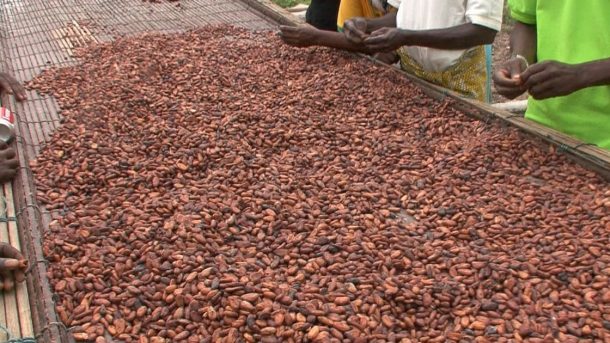
Pods containing Cocoa beans grow from the branches and trunk of the Cocoa tree. Harvesting includes take away ripe pods from the trees and opening them to extract the wet beans. With the help of a well sharpened blade, the cocoa pods can be harvested manually done by making a clean cut through the stalk. Cocoa harvest begins when the fruits are completely ripe.
After two years of the planting of Cocoa flowers, the pods take approximately 140 to 160 days to mature and ripen. Only ripe pods to be harvested without damaging the flower cushion at regular intervals of 10 to 15 days. The Cocoa pods are harvested by cutting the stalk with the help of a sharp knife. The harvested pods must be kept for a minimum period of 2to 3 days before opening for fermentation.
How propagation is done in Cocoa?
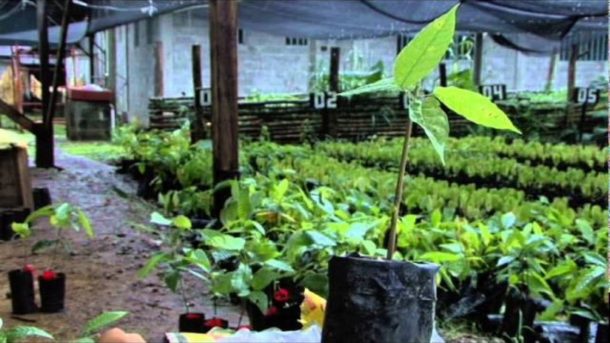
Cocoa can be propagated from vegetatively or seeds. Seed pods may be collected from trees yielding 80 or more pods per year with pod weight 350 to 400g. Before sowing Cocoa, seeds are rubbed with wood ash or dry sand to remove the mucilage. The beans are planted either in plastic bags or raised beds, with their pointed end upwards. If you are trying to sow in beds, young seedlings are generally transplanted into polythene bags after around 2 weeks of germination. The seedling is ready for transplantation to the field after they attain a height of 30 cm or around 3 to 4 months.
It can also be propagated vegetatively through softwood grafting, cuttings and forkert method of budding etc. but there are limits at present for implementing vegetative propagation one a commercial scale.
How organic soil preparation is done for Cocoa production?
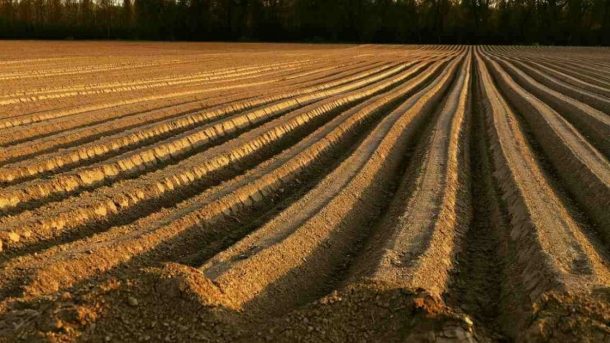
The soil for Cocoa plantations must be well drained, deep and have sufficient water absorbent capacity. The pH value of the soil should be between 4.0 to 7.5, whereby care must be taken that sufficient organic material is available. Cocoa can be grown in coconut and areca nut garden as a mixed crop. It can also be planted in forest lands.
Cocoa is a crop of humid tropics needing well distributed rainfall. At least 90 to 100 mm rainfall per month with annual precipitation of 1500 to 2000 mm is ideal. Though, it can be grown in other regions by supplementing rainfall with irrigation in dry periods, though for successful cultivation, the dry months must not exceed 3 to 4 months, Cocoa tolerates a minimum temperature of 15°C and a maximum of 40°C, but a temperature around 25°C is considered as best. Cocoa can be grown in place from sea level up to an elevation.
What is Regenerative Organic Agriculture?
Regenerative organic agriculture goes beyond the standards of organic certification. One should treat each farm as a unique organism. Regenerative Agriculture comprises the use of comprehensive soil fertility management, composting, sees collection, water management along with crop protection and crop rotation. It states to working with nature to utilize healthy soil microbiology and photosynthesis to draw down greenhouse gases. Using compost, reduced tillage, crop rotation and cover crops, we can sequester more carbon than is currently emitted from the atmosphere, tipping the needle past 100% to reverse climate change.
Why Regenerative Agriculture Farming is Important?
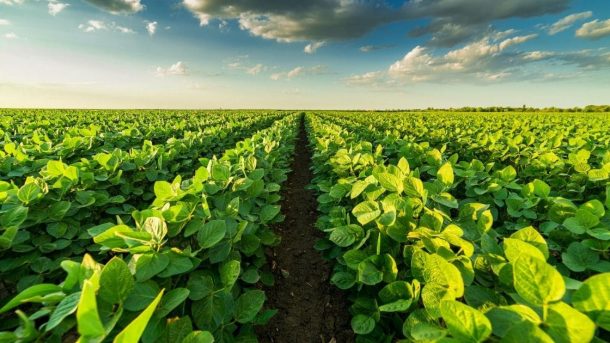
The damage of the fertile soil and biodiversity along with the loss of knowledge and indigenous seeds, pose a mortal threat to our future survival. According to soil scientists’ studies at present rates of soil destruction within 50 years we will not only suffer from serious damage to public health due to a qualitatively degraded food supply characterized by loss of important trace minerals and reduced nutrition, but we will no longer have sufficient arable topsoil to feed ourselves. Without protecting and regenerating the soil on our 10 billion acres of forest land, 8 billion acres of pastureland and 4 billion acres of cultivated farmland, it will be impossible to feed the world, maintain global warming below 2°C or halt the loss of biodiversity. It also aims to return to the olden practices by following the rhythms of nature such as harvesting and planting according to the moon cycle.
What is runoff farming?
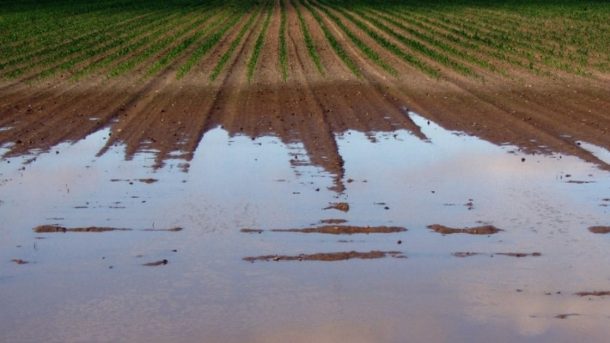
Runoff farming is the same with water harvesting but for irrigation functions. When the harvested runoff water from uncropped areas is directed to a cropped area, this technique is known as runoff farming. Soil profile acts as a water storage container, but storage in ponds or cisterns is feasible. Factors affecting the capacity of the soil storage are the depth of the soil profile, depth of plant roots, texture, structure, infiltration rate and the water holding capacity of the soil. The catchment to field ratio can vary from 1:1 and from 1: many square kilometers. The higher the aridity of an area, the larger is the necessary catchment area in relation to the cropping area for the same water yield.
How Climate change influences soil quality?
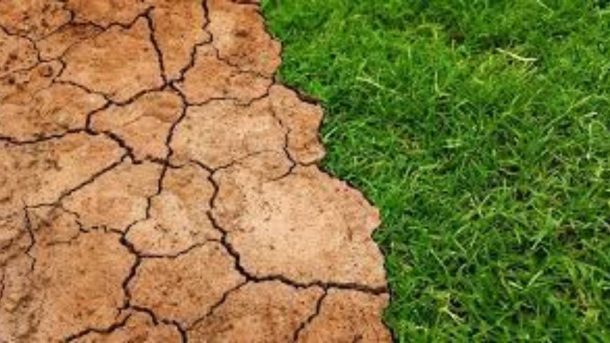
Warmer air and soil temperatures increase soil microbial action that speeds up the natural breakdown of organic matter. Organic matter is a very important component of soil that is a natural plant fertilizer. The climate varies might impact the fertility of soil by breaking down organic matter faster than the crops can use the available nutrients. However, a longer growing season with more vegetative mass produced could offset the increased breakdown of organic matter. The drought conditions and extreme weather events predicted are expected to raise the risk of soil erosion. Greater precipitation through rainfall events and an increased likelihood of flooding and heavy rains during the growing season will be some risks for soil erosion. It can be necessary to take steps to ensure adequate ground cover at key periods throughout the growing season. Ministry of Agriculture, Forestry and Rural Development (MAFRD) currently recommends that 60% of the soil surface be covered with crop residue to prevent erosion.
Why Borewell digging is prohibited in few areas?
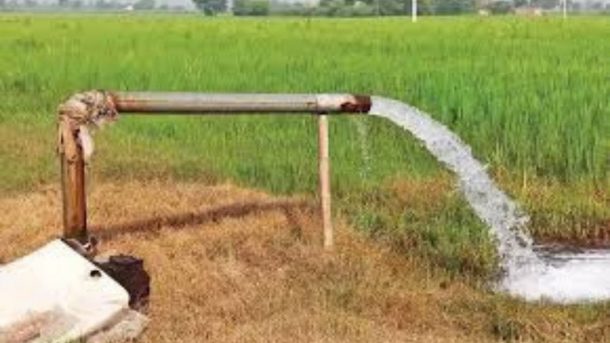
Due to the excessive drilling of borewells the underground water level is decreasing day by day. This causes depletion of the water levels. Hence government has prohibited digging borewells in few areas, especially in the water scare regions. This is implemented under the groundwater legislation act.
Central ground water Board, has the complete reports of water resources depicting the status of the country. So as to control the digging of borewells in order to save the groundwater resources.