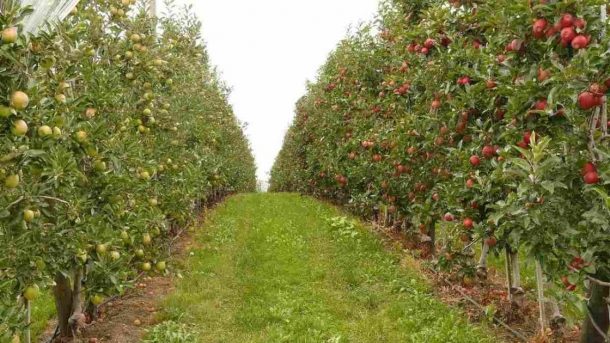
When compared with soyabean, peanut was more suitable for intercropping with apple trees to obtain economic benefits. Some agronomic measures such as regular canopy pruning, root barriers, additional irrigation and fertilization should be applied in the intercropping systems. The major impact of intercrops on the relative economic yield of apple revealed that the apple trees intercropped with pea had better benefit.
ScientificFarmingWeb
Which is the best intercrop for dates?
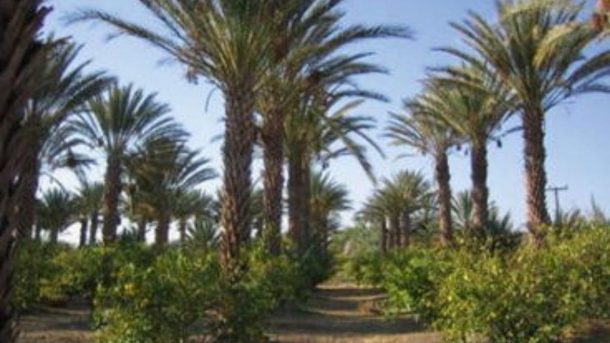
The Dates farms are intercropped with crops like green gram, Black gram, Beans and lentils, tomatoes, papaya and pomegranate. Ensure adequate water and fertilizers required in the case of intercropping. For first harvesting, 4 to 5 years are required. In between vegetables like chilli, peas and brinjal etc., can be taken as intercrop.
Which is the best intercrop for Sapota?
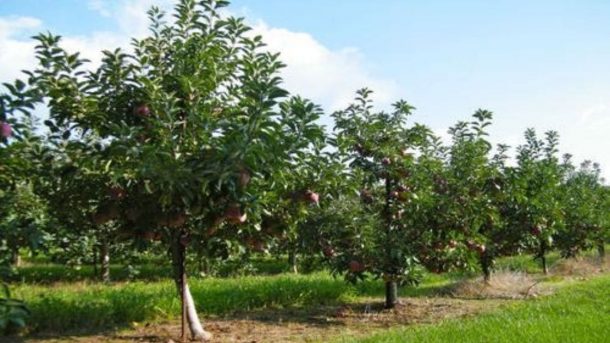
The sapota farming area is used for legumes and short duration crops during the pre-bearing period. These intercrops are raised for generating more profit and fixing the nitrogen levels in the soil. The sapota farms are intercropped with some vegetables’ crops such as Tomato, Cabbage, Cauliflower and French beans etc. Sapota intercropping with Banana, Papaya, Pineapple and cocoa, peas, Brinjal and cucurbits is recommended depending upon the climate and irrigation facilities available.
Which is the best intercrop for papaya?
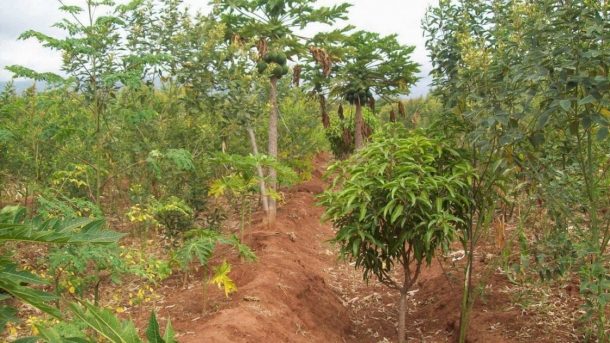
In papaya, intercropping leguminous crops after non leguminous ones, shallow rooted crops after deep rotted ones are beneficial, no intercrops are taken after the on set off the flowering stage in papaya. To keep the plot free of weeds during the pre-bearing age of first to 6 months after planting short duration vegetable crops can be grown as intercrops. Once papaya starts bearing it is difficult to grow intercrops because of the shade. Papaya can be grown as an intercrop in fruit plantation of Mango, Litchi and sapota etc. Also, it can be grown as an intercrop in coconut and Arecanut plantations, where there is no shade in the inter spaces.
Which is the best intercrop for Mango?
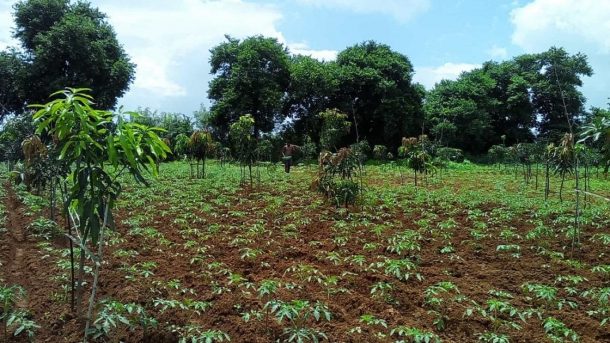
Intercropping in Mango orchard promotes infestation of pest and diseases in greater intensity than under clean cultivation. This is due to an increase in the humidity and vegetation around the mango trees due to intercrop. Therefore, regular plant protection measures against pests and diseases of the mango trees due to intercrops. Therefore, regular plant protection measures against pests and diseases of the mango crop are essential. Three root tuber crops like sweet potato, Elephant Foot yam and Cassava were intercropped in 12-year-old mango orchard with two level fertilizers i.e., full and half dose of recommended NPK. Among all intercrop, Elephant Foot Yam with a full recommended dose of about 80:6080 kg NPK/ha gives the highest corn yield 48.0t/ha with a net return of 2.29 lakh/ha.
Which is the best intercrop for Banana?
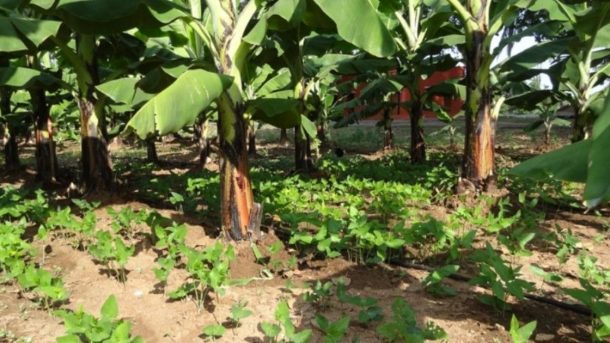
Intercrop can easily be grown in Banana plantations at the earlier stage of crop growth. In some parts of India, mixed cropping also is practiced in Banana. Planting of Banana can be followed by the planting of some intercrops like Brinjal, Turmeric, chillies, bhindi, radish, Cauliflower, Cabbage, Spinach and maize etc, depending on climatic conditions. Some farmers used to intercrop elephant foot yam in Banana orchard and get additional income. Also, farmers grow Elephant Foot yam, green gram and maize in Banana orchard.
What are the characteristics of Kabuli chickpea?
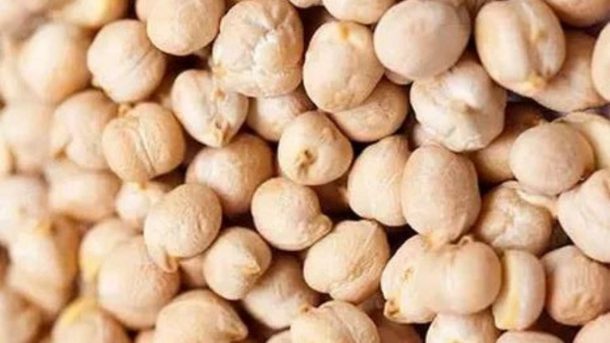
The Kabuli chickpeas are characterized by white or beige coloured seed with ram’s head shape, thin seed coat, smooth seed surface, white flowers and lack of anthocyanin pigmentation on the stem. As compared to desi types, the Kabuli chick peas have higher levels of sucrose and lower level of fibre. The Kabuli types have large sized seeds and receive a higher market price than desi types. The price premium in Kabuli types increases as the seed size increases. In this group the colour of the seed is white. Grains are bold and attractive. The yield potential of this group is poor as compared to the desi types. Plant is taller than the desi gram and stand more or less erect.
What are the characteristics of Desi chickpea?
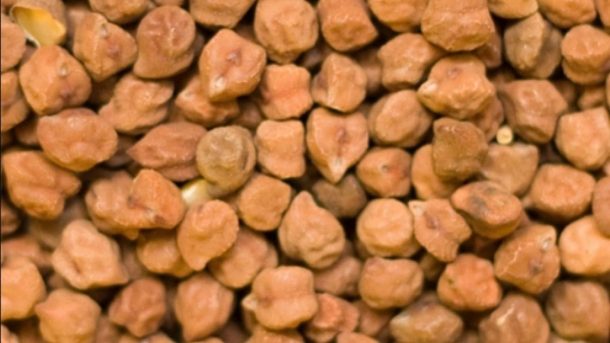
Chickpeas with coloured and thick seed coats are known as desi types. The common seed colours include different shades and combination of brown, yellow, green and black. The seeds are generally small and the flowers are normally pink and the plants show various degrees of anthocyanin pigmentation, although some desi types have white flowers and no anthocyanin pigmentation on the stem. The desi types account for 80 to 85% of the chickpea. In this group the colour of the chickpea seed ranges from yellow to dark brown. Seed size is usually small and it is the most widely grown group. Plants are very small with good branching ability.
What are the different types of chickpea?
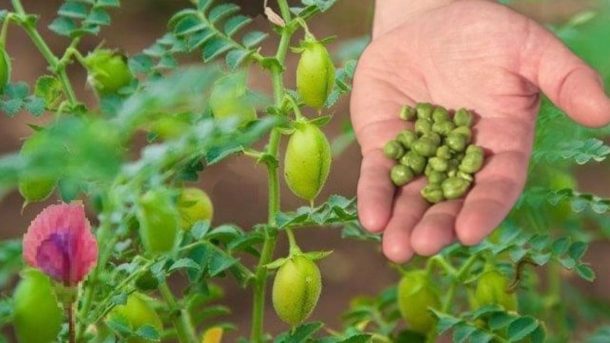
There are mainly two distinct types of chickpea are recognized. Worldwide, two main types of chickpea, Desi and Kabuli are cultivated. Kabuli types, grown in temperate regions, are large seeded and consumed as a whole seed, whereas Desi types grown in semi-arid tropical and subtropical regions are mainly consumed as split dal or turned into flour. Gram commonly called chickpea or Bengal gram is the most important pulse crop of India. Chickpea is used for human consumption as well as for feeding to animals.
What are the harvesting practices followed in King chilli?
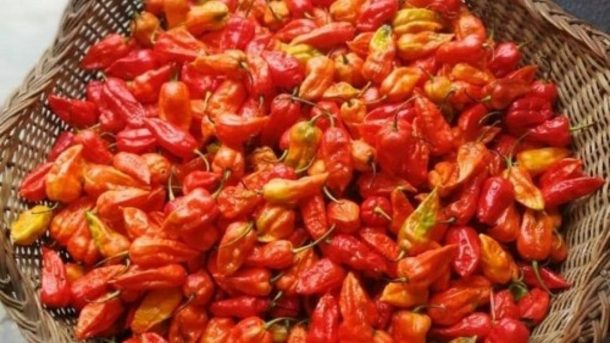
Naga King Chilli takes about 5 months to reach the harvesting stage from the time of transplanting. It is harvested at three different stages – green, yellow and ripened stages. For long distance market and vegetable purpose, harvesting is done at the green stage. For drying, pickling and seed purpose, it is harvested at yellowing to red stage. 50 plants yield about 6 kg fresh fruit per week for three months, which comes to approximately 1.5 kg per plant in three months. The average fresh fruit yield of this chilli is around 80-100 q/ha under rainfed condition while dry weight ranges from 10-12 q/ha.