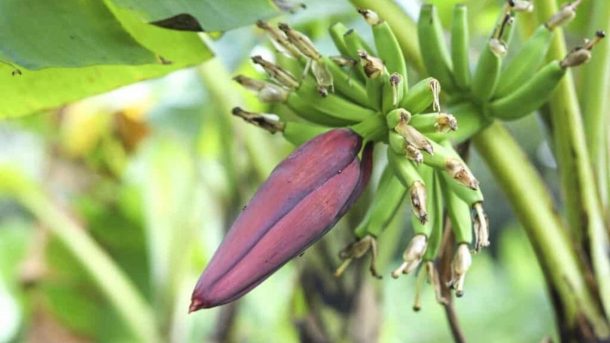
The male bud or navel should be removed after bunch formation is complete. The advantages of removing the male bud include increase in yield, faster maturing of bunches and reduced thrips attack.
ScientificFarmingWeb
Why trimming of old leaves is done in banana?
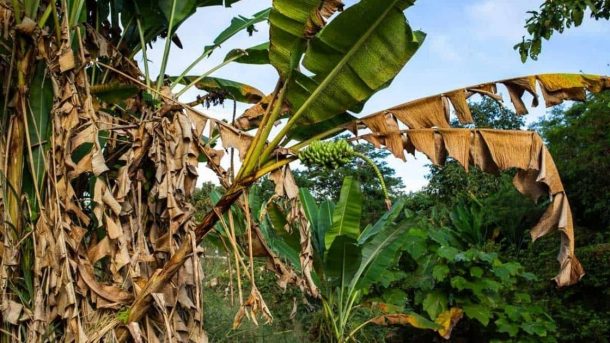
This activity is useful since it ensures light penetration in the orchard and helps reduce certain leaf diseases and reduces injury caused to banana by the dry leaves during windy periods. All dry/dead leaves which hang down the sides of the pseudo-stem need to be removed at least twice a year.
Why propping is done in banana?
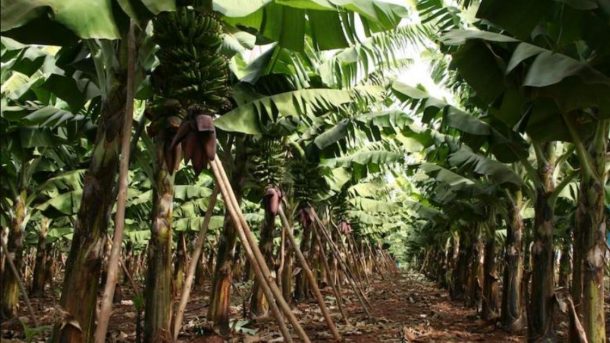
It is the process of supporting banana plants which have mature or immature bunches to prevent them from lodging/ falling over. A pole with a V-shape end is placed under the bunch to support it. The prop should be placed carefully to avoid fruit injury. The major varieties which require propping are: Grand Nain”, Williams, Valery, Giant Cavendish, FHIA series etc.
Why removing leaves in banana is useful?
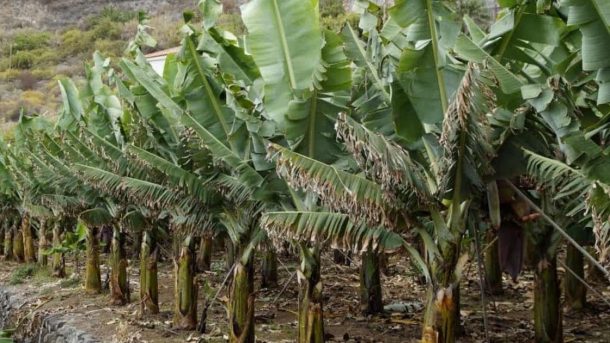
Pruning of surplus leaves helps to reduce the disease from spreading through old leaves. Leaf pruning can change light and temperature factors of microclimate. Pruning of leaves before bunch initiation delays flowering and harvesting cycle. For maximum yields a minimum of 12 leaves are to be retained.
How weeds are controlled is done Banana?
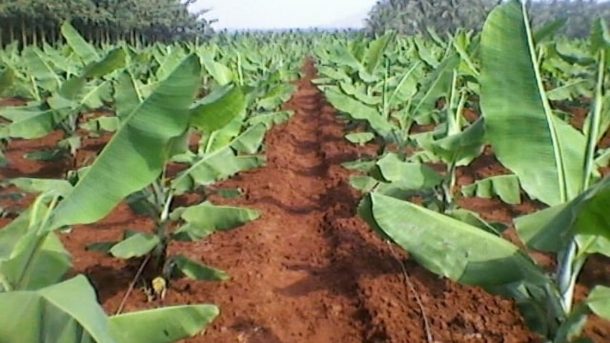
Regular weeding is important during the first four months. Spading is commonly used and normally four spadings a year are effective in controlling weeds. Integrated weed management by including cover crops, judicious use of herbicides, intercropping and hand weeding wherever necessary will contribute in increased production. Pre-emergence application of Diuron (1kg a.i./ha) or Glyphosate (2 kg a.i./ha) is effective in controlling grasses and broad-leaved weeds without affecting the yield and quality of banana. Double cropping of cowpea is equally effective in suppressing the weed growth.
Why Desuckering is done in banana?
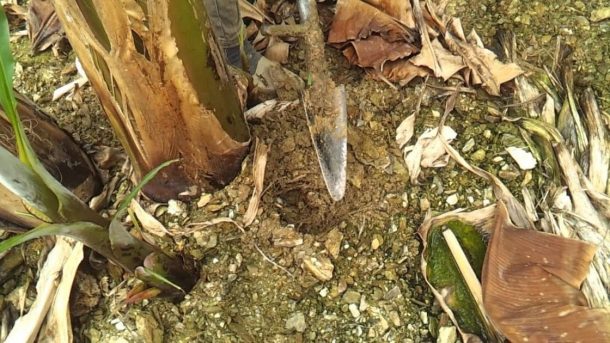
During the life cycle, banana produces number of suckers from the underground stem. If all these suckers are allowed to grow, they grow at the expense of the growth of the main plant and hence the growth of the sucker should be discouraged. Removal of unwanted suckers is one of the most critical operations in banana cultivation and is known as desuckering. Such suckers are removed either by cutting them off or the heart may be destroyed without detaching the sucker from the parent plant. Removal of suckers with a portion of corm at an interval of 5-6 weeks hastened shooting and increases the yield.
How Suckers Disinfection is done through Hot water Treatment?
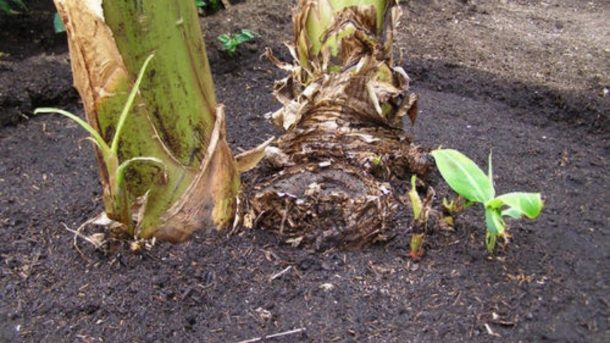
In the absence of Tissue Culture banana seedlings, sword suckers can be used as the propagation material. Sword suckers are shoots with narrow leaves with height of about 1 m and 15 cm diameter at the base. Sword suckers are sourced from existing banana orchards therefore it is necessary to treat the suckers with hot water to eliminate nematodes & banana weevils. This process involves the Trimming of all the roots, cutting off 1 cm of tissue around the corm until you get clean white tissue, prepare hot water, and immerse the trimmed corm in the hot water bath at 50 – 55 0C for 20 minutes.
What is the climatic requirement for flowering in Mango?
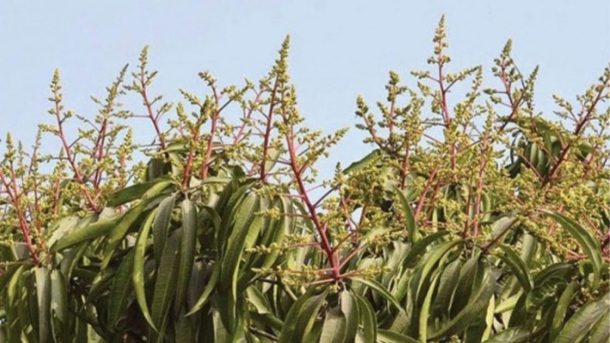
Mango flowering occurs during the coolest months of the year. Flowering requires 4–6 weeks of shoot dormancy and cool night temperatures to trigger floral induction of the terminal buds. The absolute temperature needed for floral induction varies among varieties and climates, but night temperatures between 8°C and 15°C (46–59°F) with day temperatures around 20°C (68°F) are typically needed. Better flowering is seen in trees growing in the subtropics where the seasonal temperature differences are stronger and more reliable than in the hot tropics. In Hawaii, the main flowering is between December and April.
How and when leaf flushing occurs in Mango?
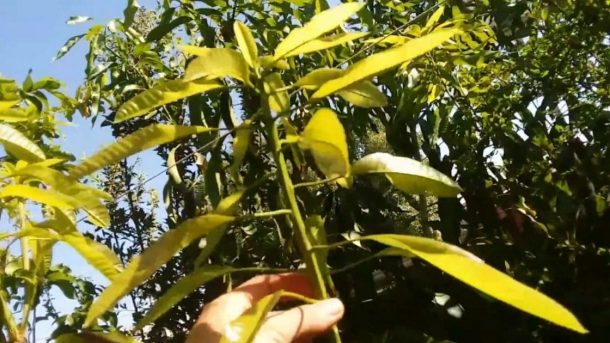
The postharvest dormancy is broken by the first summer vegetative flush, which usually coincides with the wet sea-season, slowing as the climate and soil dry out. The leaf-flushing period can have one to five flushing events, with the whole canopy flushing in synchrony or in patches. In years of poor flowering and cropping, several leaf flushes can occur during the flowering and fruiting period. Although mango is an evergreen tree, large quantities of old leaves are shed during vegetative flushing. The fallen leaves become mulch under the tree, where nutrients are recycled from old leaves to the new leaves.
How pollination occurs in Mango?
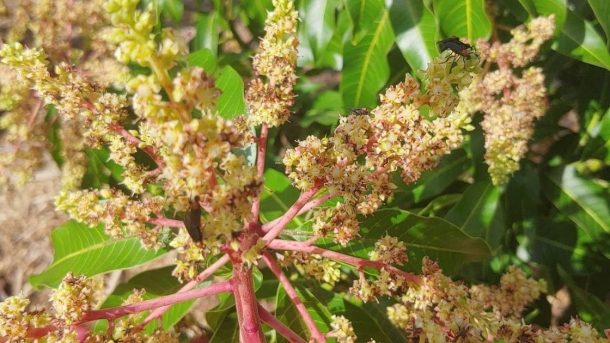
Wind and insects such as wasps, ants, flies, and bees are the main pollinators in mango. Temperatures below 10°C (50°F) during flowering are not conducive to production of viable pollen, and temperatures below 15°Cduring pollination can prevent effective pollen tube growth and fertilization of the ovary. Pollen is generally compatible within and between varieties.