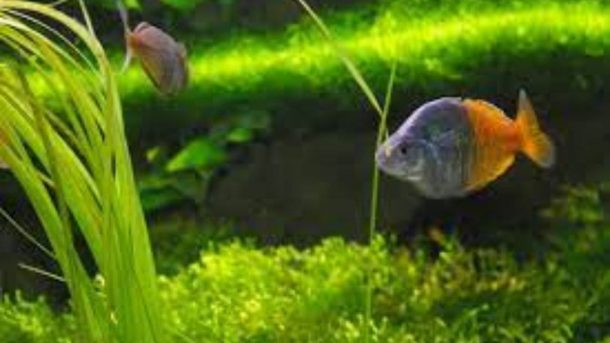
These are the fishes which are complete vegetarians by nature. Plecos, Silver dollars, Pacus are some of the fishes which are herbivores and can be raised in the aquarium. These depend on the flake foods and also the algae, which is present in water. You can also provide these fishes with fresh lettuce, spinach, green peas. The green peas should be made into the size of the flakes or pellets for easy swallowing so that it does not cause constipation issues in the fish.
ScientificFarmingWeb
What is the catfish food for fingerlings or young fish babies?
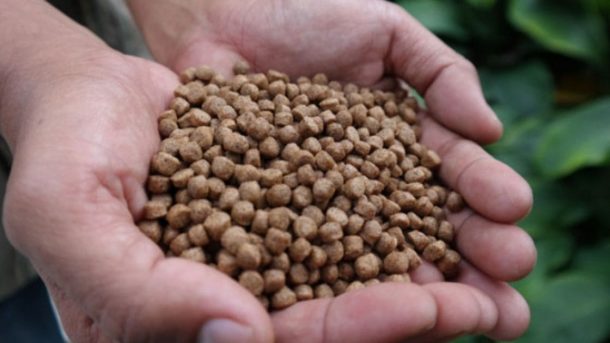
The young cat fishes eat very less. But the male catfish helps in guarding the eggs and newly hatched fry to make sure that they are strong enough to search for their own food. Before they grow and reach the stage of maturity, they only search and hunt for foods which can be easily caught and consumed. So, they hunt for worms or invertebrates. Moreover, they mostly eat hellgrammites, insect larvae, small cray fish etc.
How seed production occurs in brinjal?
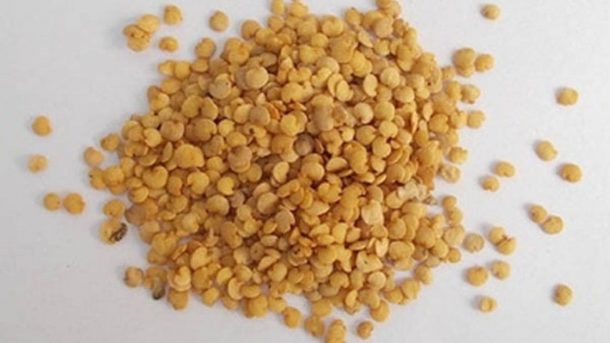
Fully Ripe fruits are harvested for seed extraction. The outer covering is peeled off and the flesh with the seed is cut into thin slices. These are then softened by soaking till the seed is separated from the pulp to which water is added gradually. Keep the material to stand overnight which make the separation of seed from the pulp easier. After separation, dip the seed into the water and reject those seeds which float on the water. Seeds should be dried in partial shade before storing. The isolation distance is 50-100 m. The seed yield is 100-120kg/ha.
What are the damage symptoms of fruit fly in tomato and how it can be controlled?
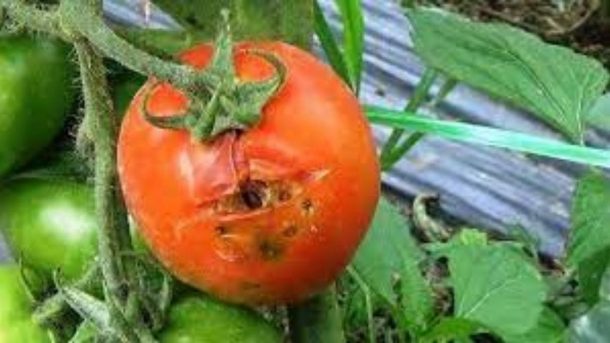
The maggots (larvae) after hatching feed on pulp of the fruits and render them unfit for human consumption. It can be controlled by field sanitation i.e., removal and destruction of dropped fruits and infested fruits daily to minimize the pest intensity. Use of pheromone traps (Palam trap @ 25/ha) for monitoring pest population. Application of malathion (0.05%) cover spray which kill the insects on contact or a bait spray that attracts and kill the adults. Bait spray is prepared by adding 50 g gur + 10 ml malathion in 10 L water.
What are the damage symptoms of tomato fruit borer and how it can be controlled?
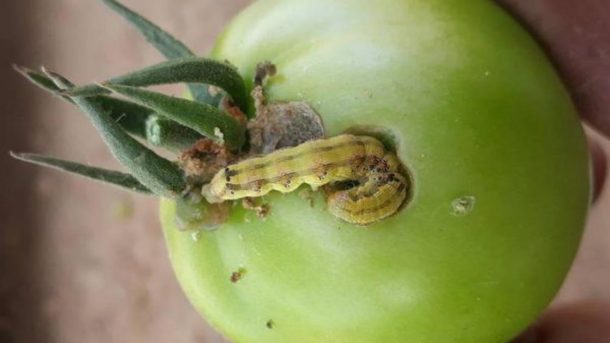
External symptoms appear in the form of a bored hole. Initially, the larvae feed on tender foliage but later on it moves on to flower buds, flowers and developing fruits. The caterpillars make holes into fruits by keeping half of their body inside the fruits and half outside and render them unfit for market. It can be controlled by transplanting crop late in summer (June) escapes the damage of fruit borer. Inundative release of egg parasitoid, Trichogramma chilonis and T. brasssiliensis @ 50,000-75,000 adults/ha Apply nuclear polyhedrosis virus (NPV) @ 250-500 LE/ha Application of Bacillus thuringiensis alone (1.0 litre/ ha) at flowering and fruit setting stage Foliar application of carbaryl (0.1%)/ deltamethrin (0.0028%) and acephate (0.05%) when one larva per five plants is observed. Observe a waiting period of 10 days before picking fruits. Use of African marigold as trap crop.
How Leaf curl virus causes damage in tomato and how it can be controlled?
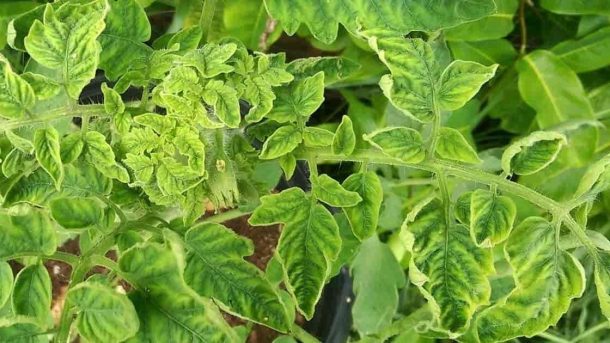
It causes downward rolling and crinkling of the leaves. The newly emerging leaves exhibit slight yellow colouration and later they also show curling symptoms. The older leaves become leathery and brittle. There is drastic reduction in the size of nodes and internodes. The infected plants remain stunted in growth. It is transmitted by white fly. It can be controlled by plants affected by viral disease must be uprooted and destroyed. Monitoring the adult population with yellow sticky traps for early prediction and timely application of insecticide. Spray triazophos (0.04%) or lambda-cyhalothrin (0.004%).
How early blight causes damage in tomato and how it can be controlled?
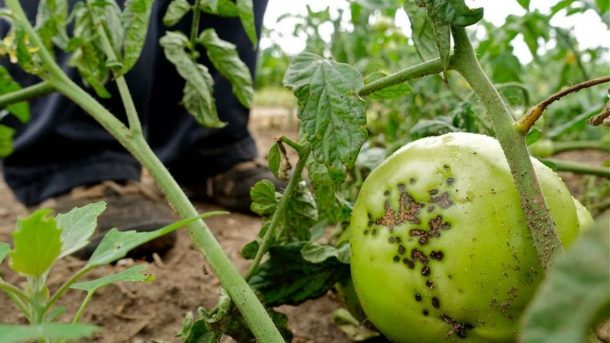
This disease appears on the foliage at any stage of plant growth. It occurs on the plants as small, black lesions mostly on the older foliage. In later stages, concentric rings also appear on the fruit. It can be controlled by seed treatment with Carbendazim @ 2.5 g per kg of seed.
How Bacterial wilt cause damage in tomato and how it can be controlled?
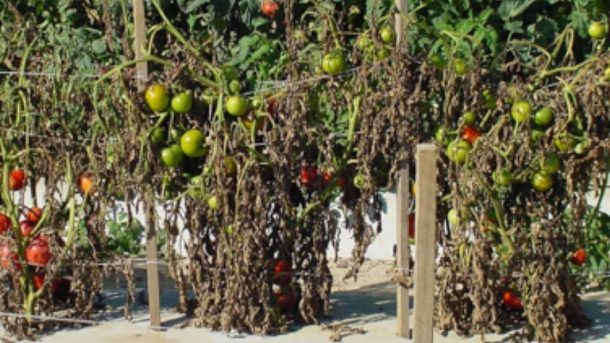
It is the deadliest disease of tomato which results in wilting of plant, stunting plant growth, and brown vascular system. It can be controlled by crop rotation with Cruciferous vegetables. Grow recommended resistant varieties such as Palam Pink, Palam Pride etc. Transplant disease free seedlings. Spray with streptocycline @ 200ppm at 7 days interval.
How Buck eye rot causes damage in tomato and how it can be controlled?
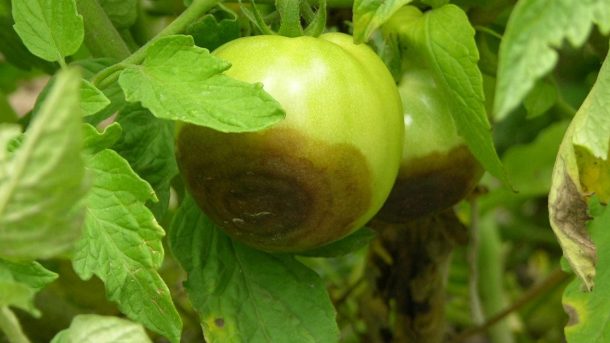
The symptoms appear on fruits as a brownish spot often at point of contact between fruit and soil. It can be controlled by growing resistant varieties. Proper staking and drainage should be ensured. Spray Ridomil MZ @ 2g per litre of water or mancozeb or zineb @ 2.5 g per litre of water at 5-7 days interval.
How damping off diseases cause damage in tomato and how it can be controlled?
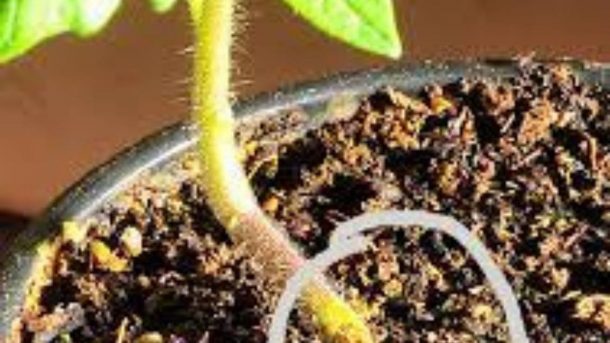
The fungus attack usually starts on the germinating seed, and further spread to the hypocotyl, basal stem, and developing tap-root. It can be controlled by drenching the nursery bed with 5 litre formalin dissolved in 100 litres of water 15 days before sowing. Before sowing, hot water treatment of seed at 52°C for 30 minutes should be done. Spray mancozeb (2.5g /L), carbendazim (1g /L) on nursery seedlings.