Scientific Farming

What is a shade house ?

shade house

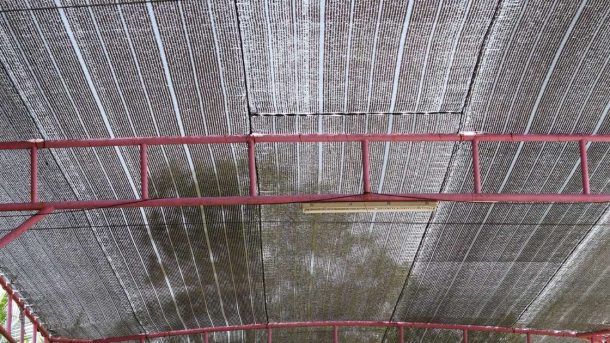
A shade house is a structure that is encased in agro nets or other woven materials, with holes that enable sunlight, moisture, and air to pass through. It produces a microclimate that is beneficial to plant growth. Shade net house or net house are other names for it. The shade house structure should be designed with the sort of crop to be cultivated in mind, as well as locally available materials and climatic circumstances. It should be possible to expand in the future.

A shade house should be situated such that it has easy access to markets for inputs and the sale of its products. This structure should be built away from buildings and trees, as well as pollution from industry and vehicles. There should be no drainage issues on the property. Electricity and high-quality water should be available. Wind breakers, on the other hand, may be placed 30 metres away from the structure.
What are the advantages of hydrogel agricultural technology?

absorbent

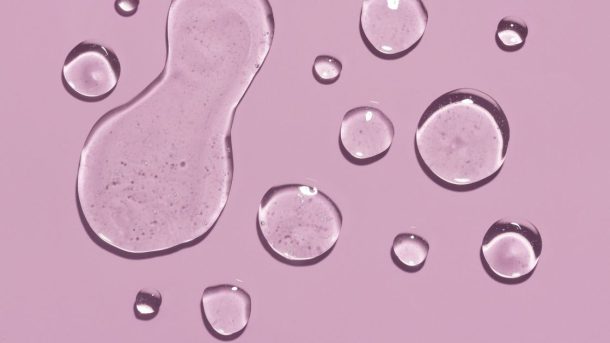
Hydrogel agricultural technology helps in improving soil quality, preserves water, resists drought , stress, and increases seed sprouting and seedling development leading to better farm success. It is non-polluting and biodegradable, reduces irrigation frequency and water consumption, and offers a simple cyclic mechanism to feed water directly to roots and prevent soil compaction from an environmental standpoint. SAPs serve as micro water reservoirs at plant roots in agriculture and agroforestry. They absorb 400-500 times their own weight in natural and supplied water and gently release it through the root capillary suction mechanism, minimising water loss in the soil through leaching and evaporation. SAPs establish a cyclic process of water absorption and release; the water released can offer optimal moisture for rapid seedling germination and maturity.

What properties of super absorbent polymer make it desirable for agricultural application?

absorbent

Super absorbent polymers or hydrogel are used in agriculture due to t’s properties such as high absorption capacity in saline and hard water conditions, lowest soluble content and residual monomer, high durability and stability in the swelling environment and during storage, low price , pH‐neutrality after swelling in water, gradual biodegradability without formation of toxic species and re‐wetting capability.

What are super absorbent polymers in agriculture ?

super absorbent

SAP, also known as hydrogel, absorbent polymers, absorbent gels, super soakers, super slurpers, and water gel, is a novel form of macromolecular synthetic water absorption polymer material. Acrylic acids and a cross-linking agent like potassium are commonly employed in agriculture to make Super Absorbent Polymers, which are made through solution or suspension polymerization. The resulting polymer is known as a polyacrylate, and its swelling capacity and gel modulus are highly dependent on the amount and type of cross-linker utilised. Polyacrylates are non-toxic, non-irritating, and non-corrosive in nature, and have been proven to be biodegradable at a rate of 10% to 15% each year. They have a large water absorption capacity and can freely release 95 percent of that when suction pressure is applied by plant roots.

What is azolla biofertilizer?

biofertilizer

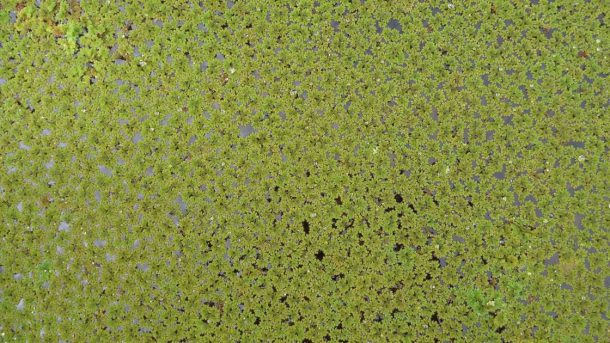
The nitrogen-fixing BGA Anabaena azollae is found in a floating water fern called ‘Azolla.’ Azolla contributes organic matter to the soil by containing 3.4 percent nitrogen (on a dry weight basis). Rice farming uses this biofertilizer. The Azolla plant has a branching, floating stem, highly bilobed leaves, and real roots that reach deep into the water. If water is not a limiting element and environmental conditions are favourable for its growth, Azolla can be grown all year in India. This fern develops a green carpet over water in most cases. Azolla decomposes quickly to NH4, which the rice plants can use. Rice yields increased by 0.5-2t/ha in field trials after Azolla was applied. Azolla application has been observed to boost rice yield by roughly 20% and 18% in India and China, respectively .

What is medium-cost greenhouse ?

greenhouse

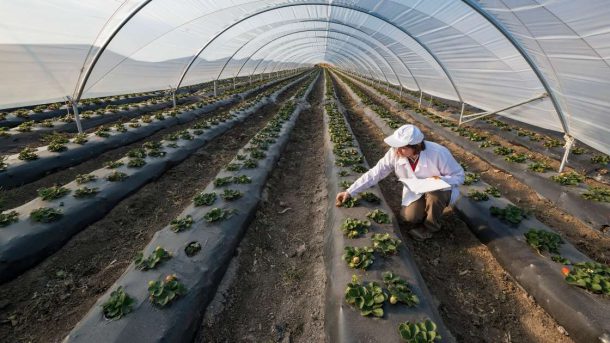
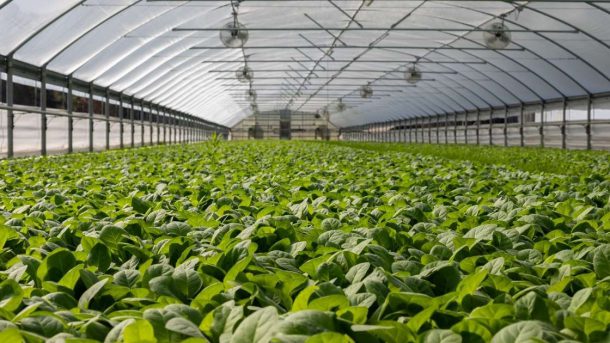
Medium-level greenhouses have vertical walls that are more than 2 metres tall but less than 4 metres tall, and a total height of less than 5.5 metres. They may have ventilation on the roof, the side walls, or both. Medium-sized greenhouses are typically wrapped in single or double-skin plastic film or glass, and they have variable degrees of automation. Medium-level greenhouses represent a reasonable economic and environmental base for the sector, since they strike a balance between cost and productivity. Medium-level greenhouse production can be more efficient than field production. Hydroponic systems make water use more efficient. Although there is more chance to apply non-chemical pest and disease management measures, greenhouse horticulture’s full potential is challenging to achieve.

What is Hi-Tech agriculture ?

Hi-Tech agriculture

Temperature, humidity, and light are all automatically adjusted in this sort of green house to meet the needs of the plants. Sensors or signal-receivers are used to indicate these. The sensor measures the variables, compares them to a standard value, and then recommends that the device be run. Temperature sensor heating/cooling mechanism and thermostat-controlled fan make up the temperature control system. Similarly, optical tagging devices are used to detect relative humidity. The pressure sensor system controls the operation of the boiler, irrigation, and misting systems. This modern building is quite costly, since it necessitates qualified operators, as well as maintenance, care, and precautions.

What is green house technology ?

technology

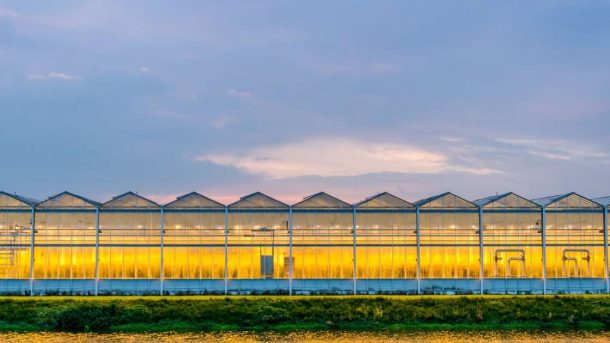
Greenhouses are constructions using transparent to translucent materials such as LDPE, FRP, and Polycarbonate sheets that enable solar radiation to flow through while trapping the thermal radiation emitted by the items inside. This produces an ideal growing environment for plants. During the day, the energy received from the sun is transformed to heat within the greenhouse and used to evaporate water during normal plant transpiration. Light, heat, CO2, and moisture, all of which influence plant growth, might be managed in these buildings. The results of the plant cultivated in these greenhouses imply that this could be a viable technology for small and marginal farmers because it produces a considerably greater yield and allows for the production of off-season crops such as vegetables.

What is apiculture ?

apiculture

Beekeeping (or apiculture) is the practice of people keeping bee colonies, usually in man-made hives. Honey bees of the genus Apis are the most common, however other honey-producing bees like Melipona stingless bees are also kept. A beekeeper (also known as an apiarist) keeps bees to collect honey and other products produced by the hive (such as beeswax, propolis, flower pollen, bee pollen, and royal jelly), fertilise crops, or create bees for sale to other beekeepers. An apiary, sometimes known as a “bee yard,” is a place where bees are kept.

What is climate-smart agriculture ?

climate-smart

Climate-smart agriculture (CSA) is a method of restructuring and reorienting agricultural production systems and food value chains to promote long-term development and food security in the face of climate change. The climate-smart agriculture method aims to decrease trade-offs and create synergies in order to increase the productivity and sustainability of crop and livestock systems, forests, fisheries, and aquaculture. Climate-smart agriculture is neither a new system nor a collection of methods. It’s a new way of looking at growth paths that can make agriculture more productive and sustainable, as well as better suited to contribute to climate change adaptation and mitigation.