Scientific Farming

What is Bt ( Bacillus Thuringiensis )?
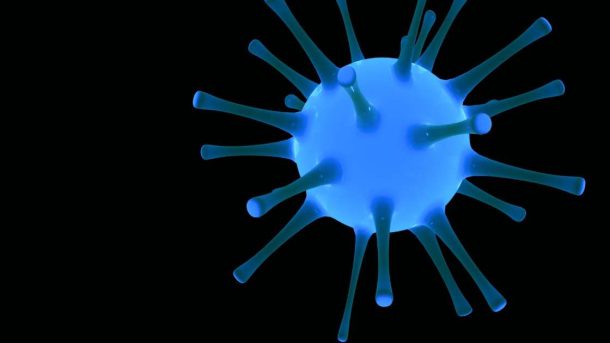
Bacillus Thuringiensis


Bacillus thuringiensis (Bt) is a soilborne bacteria that causes diseases in insects and can be found all over the world. Its creation of crystal-like proteins that selectively kill specific kinds of insects and other creatures is a distinguishing trait. When the insect consumes these Cryproteins, its digestive enzymes activate the protein’s deadly version. Cryproteins bind to specific receptors on intestinal walls, causing midgut cells to burst. Susceptible insects stop feeding within a few hours of their first bite and die within 2 or 3 days if they have consumed enough toxin.

How sucking insects damage plants ?

sucking insects

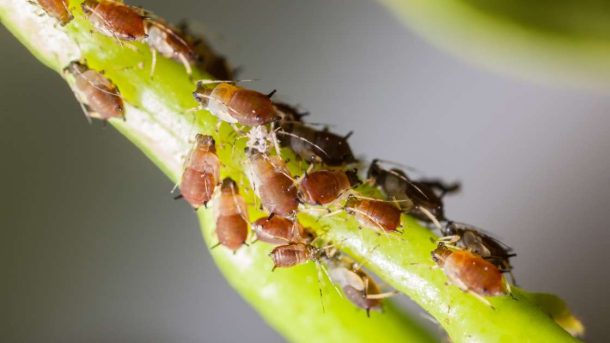
Sucking insects deplete plant strength by removing cell contents (e.g., thrips) or sap (e.g., aphids, leafhoppers, scales, etc.). Sucking insects pump salivary secretions into plants in some cases. This substance can either harm plants (as indicated by armoured scale feeding), generate galls (as seen in gall aphids), or destroy sections of a leaf (as seen in leafhopper “burn”). Water and carbohydrates are consumed in greater quantities by sucking insects than amino acids. The introduction of sucking mouthparts into plants increases the risk of plant disease organisms being transmitted. Sucking insects that move among plants, such as leafhoppers, can spread mycoplasma-like organisms that cause Peach X-disease and aster yellows.

How insects injure plants ?

insects

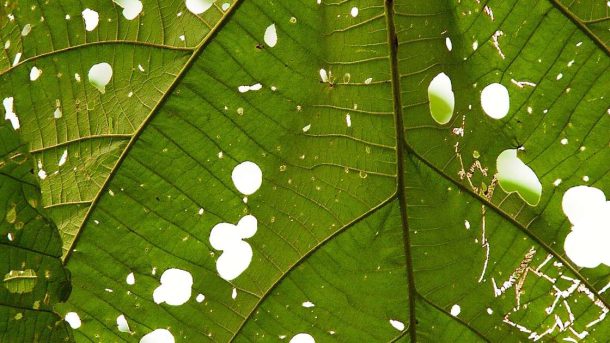
Insects feed on plant leaves, stems, roots, and flowers. The contaminated sections are really consumed by the chewing insects. Pit feeding on leaves by leaf beetles, flea beetles, and immature caterpillars are examples of leaf eating by chewing insects. Weevils, bigger caterpillars, grasshoppers, and katydids are the most common culprits for irregular scratches along the edges of leaves. The presence of leaf cutter bees is indicated by perfect semicircular cut pieces of leaves. Mining is the process of feeding only on the contents of leaves. Beetles, flies, sawflies, and moths are all home to leaf miners.

How to use urea fertilizer ?

fertilizer

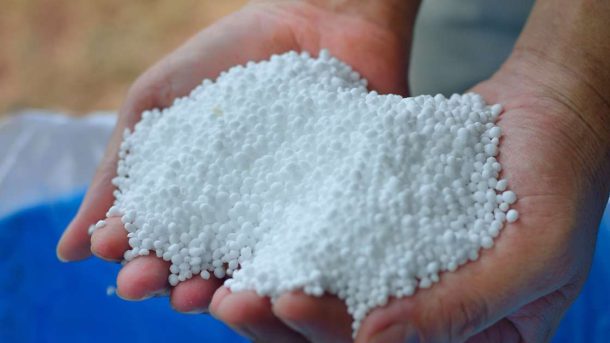
Urea should be applied at the time of sowing. It must avoid coming into contact with the seeds. It can also be used as a top dressing. Because urea has a high nitrogen concentration, it should be mixed with soil or sand before being applied. When the soil contains free water or is likely to remain moist for three or four days after application, urea should not be used. Urea can be mixed with Mono-ammonium Phosphate (MAP) or Di-ammonium Phosphate (DAP) with ease (DAP). However, because Urea reacts with superphosphate, releasing water molecules, it must not be blended with any superphosphate until used shortly after blending. This will result in a wet material that will be difficult to store and apply.

Why urea is used as a fertilizer?

fertilizer

With the largest nitrogen content, urea is the most important nitrogenous fertilizer on the market (about 46 percent). It’s a crystalline organic chemical molecule that’s white in colour. Urea has a pH of neutral and can grow in practically any soil. It’s a waste product produced by humans, other animals, amphibians, and some fish when they metabolise protein. Both as a fertilizer and an animal feed ingredient, urea is widely utilised in agriculture. The primary purpose of urea fertilizer is to supply nitrogen to plants in order to encourage green leafy growth and make them appear lush. Urea also helps plants with their photosynthesis.

What is the role of nitrogen in plants ?

nitrogen

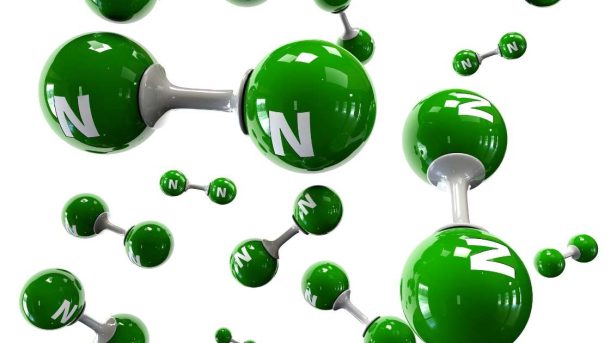
Nitrogen is one of the primary macronutrient that is required by plants in large quantity. Functions of nitrogen includes promoting transportation in xylem and phloem, synthesis of hormones such as cytokines , osmoregulation. Nitrogen is also a component of the chlorophyll molecule, which enables the plant to capture sunlight energy by photosynthesis, driving plant growth and grain yield. Nitrogen plays a critical role within the plant to ensure energy is available when and where the plant needs it to optimize yield. This crucial nutrient is even present in the roots as proteins and enzymes help regulate water and nutrient uptake. 

What is the mechanism of action of biofertilizers?

Azospirillum, a PGPRs species, is thought to secrete plant growth hormones like gibberellins, ethylene, and auxins . Phytohormone production can also be induced by some plant-associated microorganisms. At varied cultural pH, temperature, and in the presence of agro-waste as a carrier material, Rhizobium and Bacillus were discovered to synthesis IAA. Ethylene, unlike other phytohormones, is responsible for dicot plant growth suppression. PGPR could enhance the growth of plant by suppressing the expression of ethylene.

How biofertilizers improve soil fertility ?

biofertilizers

By nitrogen fixation, phosphate and potassium solubilization or mineralization, release of plant growth regulating chemicals, creation of antibiotics, and biodegradation of organic materials in the soil, biofertilizers keep the soil environment rich in all kinds of macro and micro nutrients. When administered as seed or soil inoculants, biofertilizers proliferate and participate in nutrient cycle, resulting in increased crop productivity. In general, 60 percent to 90 percent of the fertiliser applied is wasted, with the remaining 10 percent to 40% taken up by plants. As a result, biofertilizers can be an important part of integrated nutrient management systems for agricultural production and environmental health.

What is the role of Rhizobium?

Rhizobium

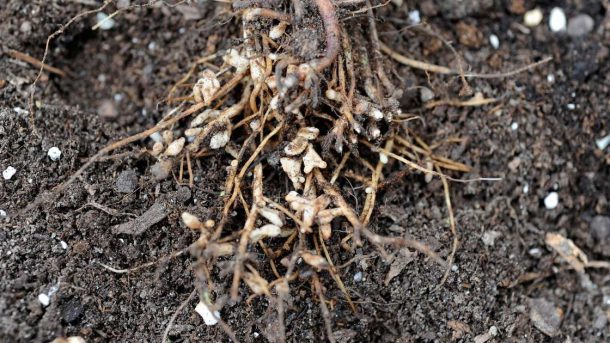
Rhizobium is a bacteria that dwells in the root nodules of leguminous plants in a symbiotic relationship. They fix nitrogen from the air and turn it into soluble nitrates, nitrites, and ammonium compounds. Increased soil production and fertility are aided by nitrogen fixing. The nitrogen gas is captured from the atmosphere and used in their growth and development. When legumes die, the nodules break down and are incorporated into the soil, making it more fertile. Rhizobium is relatively more effective and widely used biofertilizer.

How weed management is done in organic farming ?

Parthenium weed

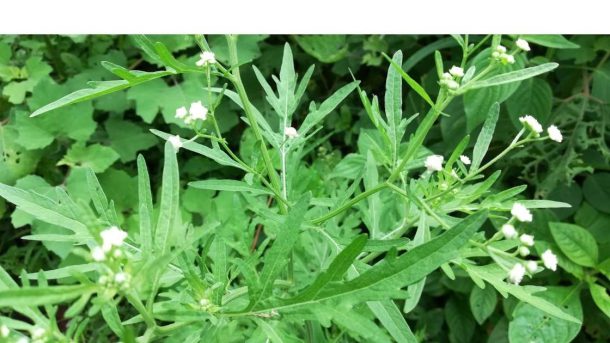
Chemical herbicides are not permitted in organic farming. As a result, only hand weeding is possible. To control weeds, many cultural methods like as tillage, floods, and mulching can be applied. In addition, biological (pathogen) methods can be utilised to manage weed-related losses. A cover crop can be planted when the ground is fallow to suppress weeds and improve soil quality. Weed growth can also be slowed by employing drip irrigation, which limits the amount of water that reaches the plant line.