POSTEDITOR OFFICE

How does Ergot disease cause damage in Pearl Millet ?

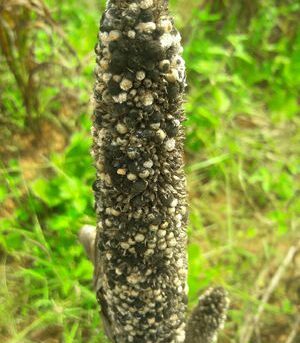
Ergot disease

Ergot disease in Pearl Millet is caused by the fungus Claviceps fusiformis, which infects the ovaries of the plant and replaces the seed with fungal structures called sclerotia. The sclerotia contain toxic alkaloids that can cause harm to both humans and animals when consumed.

The first  symptom of the disease  is exudation of  pinkish or light  honey-coloured small mucilaginous droplets of sticky fluid  called  ‘honeydew’ oozing out from infected  spikelets. 

The disease reduces seed germination and yields, leading to decreased crop productivity. In addition to these direct effects, Ergot disease can also weaken the plant and make it more susceptible to other diseases and pests, further reducing crop health and yield.
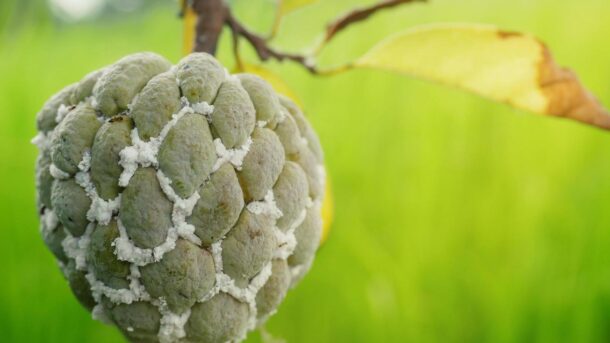
The infestation of Mealybugs in Custard Apple and treatment

Mealybugs

Mealybugs are a type of pest that can infest custard apples and other plants. They feed on the sap of the plant, causing damage to the foliage and fruit, and can also excrete a sticky substance called honeydew which can encourage the growth of sooty mold. 

To control mealybugs, you can try physically removing them by wiping them off with a cloth, or using insecticidal soap or neem oil. Spray BUPROFEZIN 25% SC @ 12 ml/15 lts of water along with a good quality sticker. 

It’s important to keep the plant free of dead leaves and debris, which can harbor the pests, and to monitor the plant regularly for signs of infestation.

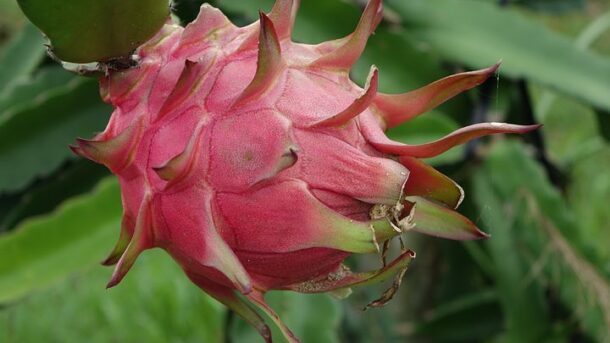
Manure and fertilizers used for Dragon fruit cultivation.

Dragon fruit

Dragon fruit is a nutrient-demanding crop that requires regular applications of fertilizer to achieve optimal growth and yields. Organic matter plays a very important role in dragon fruit development and growth. Each plant  should be applied with 10-15 kg of organic compost. Thereafter, increase the amount by 2kg per year. 

This crop requires inorganic fertilizers for rapid growth in vegetative parts. In vegetative stage, this fertilizer ratio is as follows,muriate of potash :super phosphate :urea =40:90:70 grams/plants.

Low amounts of nitrogen and large amounts of potash should be sprayed during the fruit-bearing period to increase yield.

Club root disease of Mustard crop

Club root

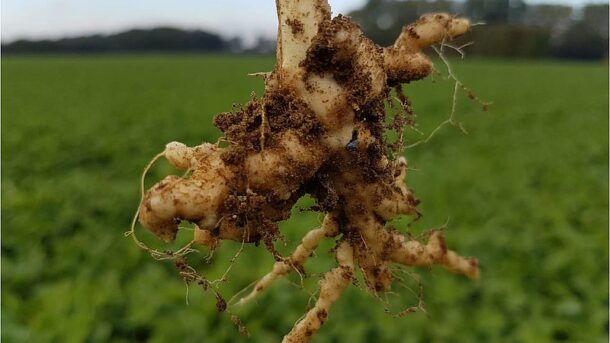
Club root is a soil-borne fungal disease that affects mustard and other brassica crops. The disease is caused by the fungus Plasmodiophora brassicae, which invades the roots of the plant and causes the roots to become swollen and distorted, leading to a condition known as “clubbing.”

Symptoms of club root in mustard crops include stunted growth, wilting, yellowing of the leaves, and a reduction in yields. In severe cases, the roots of the plant can become so distorted that the plant is unable to absorb water and nutrients from the soil, leading to plant death.

To control club root in mustard crops in a suspect or infected field, incorporating hydrated lime (1,500 lb/A) at least 6 weeks before planting, whether pH is neutral or alkaline, gives additional disease control. Chemical controls, such as the use of fungicides, can also be used to control club roots.

It is also important to maintain soil pH levels between 6.0 and 7.0, as club root is more severe in acidic soils. Additionally, avoiding overwatering and improving soil drainage can help reduce the risk of club roots infection.

What is Tobacco mosaic disease ?

Tobacco mosaic disease

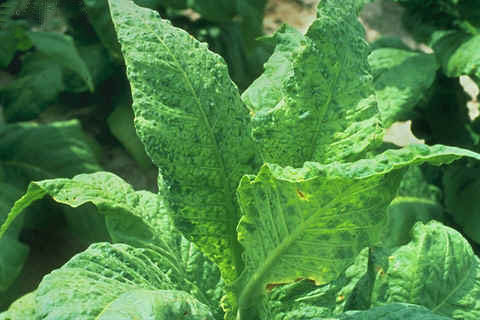
An infection caused by a virus called tobacco mosaic disease that affects not just tobacco plants but also tomato and pepper plants and other Solanaceae family members. The Tobacco Mosaic Virus (TMV), which is easily spread from plant to plant through contact with contaminated tools, hands, or plant components, is what causes the illness.

Yellow-green streaks and mottling on the leaves, stunted growth, and lower yields are signs of this disease. Infection on young plants results in stunted growth, malformation, distortion and puckering of leaves. Darkgreen blisters and sometime enations (leafy growth) appear on the dorsal side of the leaf.

Since there is no treatment for tobacco mosaic disease, maintaining excellent hygiene and taking precautions to prevent infection are the best ways to manage the disease.Old stems and leaf trash of affected plants buried in the soil are the other sources of infection and spread. Additionally, planting disease-resistant varieties and removing infected plants from the garden can help reduce the spread of the virus.

Do you know how pod bugs damage red gram (Tur dal)?

damage

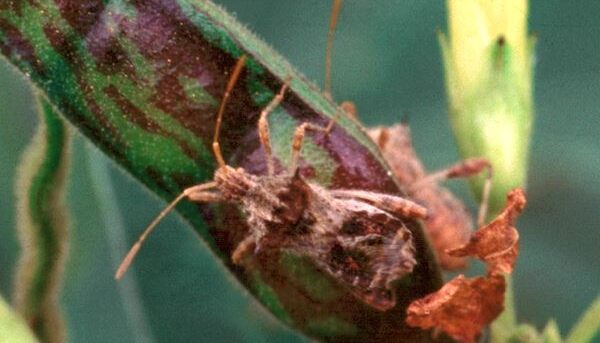
Pod borer insects can cause damage to red gram crops. These pests lay their eggs in the pods of the plant and when the larvae hatch, they feed on the seeds, reducing both the yield and quality of the harvest.To control these pests, farmers can use a combination of cultural, biological, and chemical methods, such as crop rotation, using resistant varieties, and applying insecticides. 

Application of Spinosad or imidacloprid gives control upon pod bug damage. Spraying of quinalphos 25% EC @ is effective against pod fly and pod borer. Spraying of effective molecule like Indoxacarb 14.5 SC % @ 300 ml/ha or Emamectin benzoate 5% SG @ 11 a.i gm/ha or Spinosad 45 SC @ 56-73 a.i gm/ha is effective against Pod borer complex. 

However, it’s important to implement integrated pest management practices to minimize the negative impact on the environment and human health.

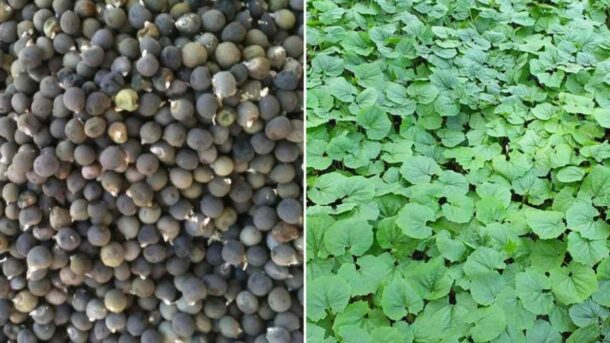
How do oil cakes help plants?

oilcakes

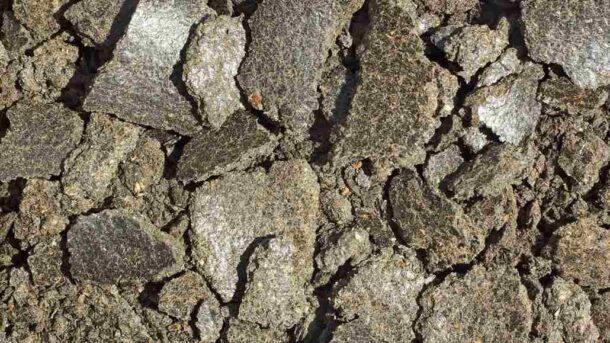
 Oil cakes can help plants in several ways:

Nutrient-dense fertilizer: Oilcakes are high in nitrogen, phosphorus, and potassium, all of which are essential plant nutrients. The use of oil cakes as a fertilizer can improve soil health and crop yield.

Soil improvement: By adding organic matter to the soil, oilcakes can improve soil structure and fertility. This can aid in reducing soil erosion, increasing water retention, and encouraging healthy root growth.

Pest control: Natural compounds in oilcakes can act as a repellent to pests, reducing the need for chemical pesticides.

Nitrogen-fixing bacteria: Nitrogen-fixing bacteria can be found in some oilcakes, such as soybean oilcake. These bacteria aid in the conversion of atmospheric nitrogen into a form that plants can use, thereby increasing soil nitrogen content.

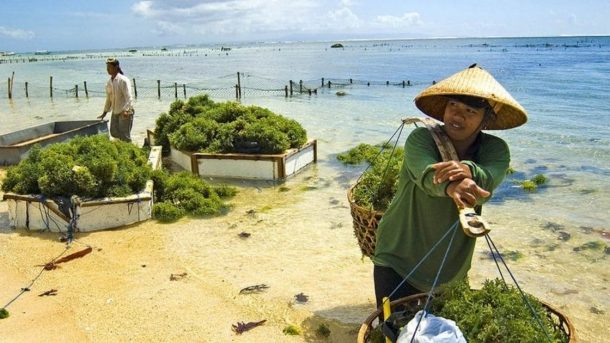
Seaweed- As Biomass for fuel

sea weed

Macroalgae, commonly referred to as seaweed, has the potential to be used as a source of biomass for the manufacture of fuel. It can be burned as a solid fuel to produce energy or processed into biofuels like bioethanol and biodiesel.

Fast growth rates, high biomass yields, and the capacity to grow in salty conditions are just a few of its many benefits as a biomass source. It also doesn’t compete with food crops for freshwater and land resources.

Seaweed farming also has the potential to reduce carbon dioxide emissions and enhance water quality. Seaweeds of the Laminaria, Gracilaria, and Sargassum species were among the types utilized to make biofuel.

In Macrocystis, the seaweed’s mannitol and alginate contents were key factors in the good gas output. If the concentration of mannitol was high, a high percentage of gas was created. In Gracilaria, the output of methane was strongly related to the amount of carbohydrates. Sargassum generated low gas.

Seaweed can be used to produce fuel, but there are drawbacks as well. For example, effective harvesting and processing techniques are required, and seaweed-based biofuels are more expensive to produce than conventional fossil fuels.

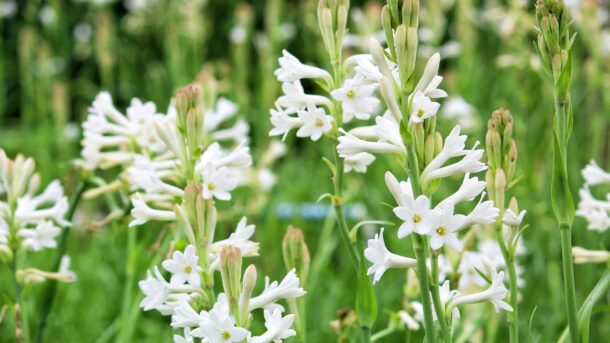
Management of Nutrient in tuberose.

tuberose

Tuberose reacts well to the application of organic and manures. Not only FYM (20 tonnes/ha) but also a fertilizer dose of 100 kg N, 50 kg P2O5 and 70 kg K2O per hectare is suggested for tuberose production.

Foliar spray of ZnSO4 0.5% + FeSO4 0.2% + Boric acid 0.1% improves growth and flowering. For achieving increased essential oil content in flowers and for the maximum recovery of concrete, a fertilizer dose of 80 kg N, 60 kg P2O5 and 40 kg K2O per hectare has been advised.

What are seed rate required for Lady’s Finger (Bhindi)?

Lady’s Finger

The precise seed rate will always vary depending on soil type, climate, and desired plant population in any crop. The seed rate required for Lady’s Finger (Bhindi) is approximately 4 to 5 kg of seeds per hectare. 

As per season, the seed rate is 3.5-5.5 kg seeds/ha during summer and 8-10 kg seeds/ha for rainy season crop. Before sowing the seeds are soaked in a solution of Bavistin (0.2%) for 6 hours. The seeds are then dried in shade.