POSTEDITOR OFFICE

What are the advantages of using biodegradable mulch films?

biodegradable mulch films

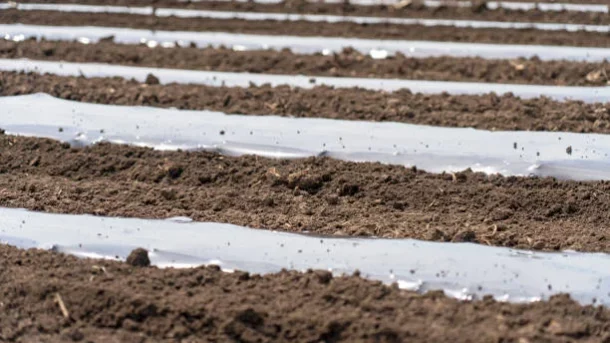
Comparing biodegradable mulch films to conventional plastic mulch films, there are a number of benefits for agricultural use. The following are the main gains of use biodegradable mulch films:

Sustainability in terms of the environment: Biodegradable mulch films are made to decompose naturally over time, preventing the buildup of plastic waste in the environment. Biodegradable mulch films break down into non-toxic, environmentally beneficial components as opposed to traditional plastic mulch films, which can linger in the soil for years. This encourages more environmentally friendly agriculture methods and lessens the harm that plastic pollution causes to the ecosystem.

Fertility and soil health: Biodegradable mulch film encourage the assimilation of organic matter and nutrient cycling, which improve soil health. These films add organic carbon to the soil as they decompose, enhancing soil structure, moisture retention, and nutrient availability. 

Biodegradable mulch film reduce the need for manual removal and disposal at the conclusion of the growing season, saving time and money. There is no need for time-consuming and expensive removal procedures because they organically decompose in the soil. This makes managing plastic mulch film less expensive for farmers because it saves time, labor, and disposal costs.

Water management: By lowering evaporation and preventing weed development, biodegradable mulch film help preserve soil moisture. These films assist preserve soil moisture by serving as a barrier between the soil and the atmosphere, which lessens the need for regular irrigation. Crop development is aided by maintaining proper soil moisture levels, particularly in dry or arid areas, and this helps agriculture conserve water.
How can predictive analytics help optimize crop yields?

predictive analytics

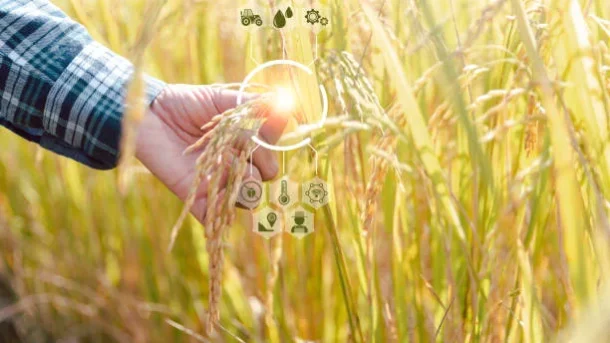
Through the use of data and sophisticated modeling tools, predictive analytics may significantly contribute to the optimization of crop yields. The following are some ways that predictive analytics can help to maximize crop yields:

Predictive models can forecast agricultural yields by examining historical data, weather patterns, soil conditions, and other pertinent variables. With the use of statistical algorithms and other considerations, predictive analytics can reasonably anticipate future yields. Farmers can use this knowledge to better plan their operations, choose wisely how to promote their products, and allocate resources.

Disease and pest prediction: Predictive analytics can be used to estimate the risk of disease or pest outbreaks based on historical data, environmental factors, and disease and pest models. Predictive models keep track of variables like temperature, humidity, precipitation, and insect life cycles.

Water management and irrigation: To optimize irrigation schedule, predictive analytics can examine historical data, weather predictions, crop water requirements, and soil moisture data. Farmers may use irrigation more effectively by forecasting their water needs and taking into account variables like evapotranspiration rates, rainfall, and soil moisture levels. This prevents water waste and boosts the effectiveness of water use by guaranteeing that crops receive the appropriate amount of water at the appropriate time.

Optimizing fertilizer applications involves using predictive analytic to examine information on soil nutrients, crop nutrient needs, and historical yield data. Predictive models can suggest accurate fertilizer formulas and application rates based on soil nutrient levels, nutrient uptake rates, and crop growth phases. This enables farmers to lessen fertilizer waste, lessen their influence on the environment, and guarantee that their crops receive the nutrients they need.

How can drones be used for precision pesticide application?

precision pesticide

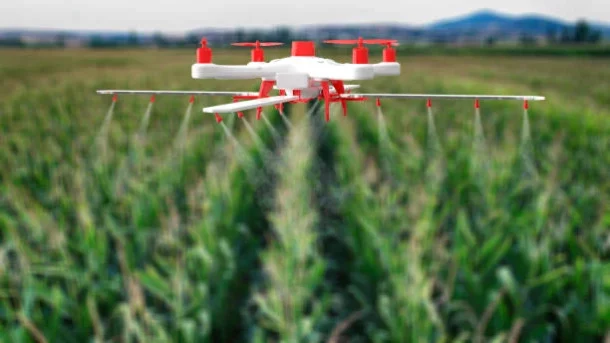
Unmanned aerial vehicles (UAVs), commonly referred to as drones, provide various benefits for applying precision pesticide precisely in agricultural settings. Here are a few applications for drones in this context:

Spraying that is specifically targeted: Drones with spraying systems can apply pesticides to specified areas or even individual plants. Drones can locate and map regions with pest infestations or disease outbreaks using the onboard sensors. This enables targeted spraying only when required, lowering precision pesticide usage and lessening its negative effects on the environment.

Accessibility is improved since drones may reach places that are difficult or inaccessible for conventional ground-based spraying equipment. This includes areas that are challenging for people or machinery to navigate, such as steep terrain, dense foliage, or sizable fields. Drones offer a versatile and effective way to access these locations.

Reduced human exposure: Applying pesticides can be harmful to human health, especially for those who do so manually. Drone use considerably reduces the need for direct human contact with pesticides, lowering the dangers of exposure to dangerous chemicals. This increases worker safety and lowers health issues.

Increased effectiveness and speed: Compared to conventional methods, drones can efficiently and swiftly cover huge areas, making it possible to apply pesticides more quickly. Drones are able to fly autonomously and with advanced flight planning, following predetermined routes to ensure consistent and uniform coverage. Due to the labor and time savings from this efficiency, farmers can quickly treat their crops.

What is the potential of using gene editing to create disease-resistant crops?

disease-resistant crops

The development of disease-resistant crops has a tremendous deal of potential thanks to gene editing tools like CRISPR-Cas9. Here are some crucial elements of how gene editing can help create crops resistant to disease:

Precision targeting: Using gene editing, researchers may precisely target particular genes linked to a crop’s vulnerability to disease. It is feasible to introduce new features that confer resistance to illnesses or improve existing natural resistance mechanisms by altering these genes. Comparing this tailored approach to conventional breeding techniques, alterations are more effective and accurate.

Gene editing can hasten the creation of crops that are resistant to disease. To add characteristics for disease resistance, traditional breeding techniques frequently rely on crossing and selection over several generations. By directly altering the relevant genes, gene editing techniques can produce equivalent results in a shorter amount of time.

Increased genetic diversity: By introducing disease resistance genes from related or unrelated species, gene editing can increase the genetic variety of crops. The possibilities for discovering novel resistance features are increased by this genetic diversity, as are the alternatives for creating disease-resistant crops. Gene editing can address issues related to cultivated crops’ low genetic diversity by drawing from a larger gene pool.

Multiple infections or diseases can be simultaneously targeted by gene editing, which makes it possible to do so in crops. Broad-spectrum resistance against a variety of infections can be conferred by altering genes implicated in common disease response mechanisms. Compared to single-gene techniques, which can be vulnerable to pathogen evolution and adaptability, this strategy offers a more complete and long-lasting solution.

How does soilless farming impact resource conservation?

resource

The cultivation technique known as soilless farming, commonly referred to as hydroponics or aeroponics, does not use conventional soil. Instead, plants are raised in inert growth media or nutrient-rich water solutions. This method of farming has a number of advantageous effects on resource preservation:

Saving water: Soilless farming methods are created to be extremely water-effective. When compared to conventional soil-based agriculture, they minimize water waste through recirculation and reuse. Hydroponic systems effectively supply nutrient solutions or water to plant roots, minimizing evaporation and maximizing water use. Overall, soilless farming can help to drastically cut down on water use and relieve pressure on freshwater supplies.

Conservation of nutrients: In soilless farming, nutrient solutions are precisely controlled and applied to the plants. This enables improved management and optimization.

Land preservation: Soilless farming techniques can be used in a variety of settings, such as urban settings or regions with little access to arable land. Soilless farming enhances the effectiveness of land use through the use of vertical farming, stacked systems, or indoor arrangements. It allows for food production in locations with limited land resource, eases the strain on natural ecosystems, and protects precious agricultural land.

Reduced usage of pesticides and herbicides: Soilless farming gives plants a controlled and protected habitat, which lowers the chance of infestations with pests and diseases. As a result, less chemical pesticides and herbicides are needed. Soilless farming minimizes the usage of agrochemicals, which lessens the environmental impact of their application and lowers the possibility of contaminating the soil, water, and neighboring ecosystems.

What are the benefits of using controlled-release fertilizers?

controlled-release fertilizers

In comparison to conventional fertilizers, controlled-release fertilizers (CRF) provide a number of advantages, mainly because they may release nutrients gradually and reliably over an extended period of time. The following are the main benefits of using fertilizers with controlled release:

Increased efficiency in the utilization of nutrients: CRF releases nutrients gradually, better meeting the needs of plants for nutrients. Leaching, volatilization, and runoff nitrogen losses are decreased by this controlled release. Because of this, a greater percentage of applied nutrients are successfully absorbed by plants, improving nutrient usage effectiveness and lowering environmental impact.

Extended nutrient availability: Depending on the precise formulation, CRF gives plants a consistent and protracted supply of nutrients over the course of weeks or months. This helps to prevent nutritional deficits by ensuring that plants have access to nutrients during all phases of their growth.

Impact on the ecosystem is lessened thanks to CRF’s slow-release properties, which reduce nutrient losses into the environment. Eutrophication of aquatic ecosystems and pollution of water bodies are both prevented by this reduction in nutrient discharge and leaching. By reducing the environmental impact of nutrient application, controlled-release fertilizers aid in the development of more sustainable agricultural methods.

Nitrogen is a crucial nutrient for plant growth, but when administered in excess or in soluble forms, it is susceptible to leaching. Leaching is less likely when nitrogen is released gradually because to CRF’s controlled-release mechanism. This not only increases the effectiveness of nitrogen use but also aids in preventing groundwater contamination and safeguarding water quality.

How can digital platforms facilitate direct farmer-consumer interactions?

digital platforms facilitate

By bridging the gap between producers and customers, digital platforms play a crucial role in fostering direct farmer-consumer contacts. The following are a few ways that digital platforms facilitate and improve these interactions:

Online markets: Digital platforms facilitate offer online markets so farmers may advertise and sell their goods to consumers directly. These platforms do away with the need for middlemen, giving farmers access to a larger client base and fair rates for their goods. Customers can easily shop from the comfort of their homes and access a range of farm-fresh goods.

Direct avenues of communication: Farmers and consumers can communicate directly through digital platforms. Customers can ask about farming methods, product specifications, or even forge a personal connection with the farmers through messaging apps, chatbots, or email.

Digital platforms enable community-supported agriculture (CSA) models, in which customers can sign up to receive regular shipments of fresh fruit from farmers. By streamlining the ordering, payment, and delivery procedures, these platforms provide a direct connection between farmers and consumers. A sense of community and connection is fostered by the inclusion of chances for farm visits, activities, and interaction in CSA models.

Information on products, including their provenance and agricultural methods, certifications, and quality standards, can be found on digital platforms. Customers can access details about the route taken by their food from farm to table by scanning QR codes or utilizing product-specific identifiers. Consumers are given confidence and given the power to make wise decisions because to this transparency.

What are the advantages of using smart sensors in livestock farming?

smart sensors

The use of smart sensors in livestock farming has a number of benefits that can enhance farm management, productivity, and animal welfare. Using intelligent sensors in this situation has the following major benefits:

Monitoring the health of animals: Livestock’s vital signs, such as body temperature, heart rate, and breathing rate, can be continually tracked using smart sensors. By enabling for fast intervention and early diagnosis of health risks, this real-time data lowers the likelihood of disease outbreaks. Farmers can give focused care and use less antibiotics or other treatments by carefully monitoring each animal.

Enhanced welfare and behavior monitoring: Intelligent sensors can monitor animal feeding, drinking, and movement habits. Abnormal behavior might be a symptom of distress or health issues, allowing for prompt intervention. 

For the best control of reproduction, sensors can be used to monitor oestrus cycles and spot indicators of heat in cattle. Farmers can increase reproductive effectiveness, identify the ideal insemination timing, and optimize breeding plans using this information. Farmers can maximize breeding success rates and overall production by carefully monitoring the health of their reproductive systems.

Environmental monitoring: In livestock facilities, smart sensors can assess environmental variables including temperature, humidity, and air quality. Using this information, producers can provide the animals with the best possible living circumstances, assuring their comfort and lowering the likelihood of stress-related problems. Improving productivity and growth rates is also facilitated by maintaining healthy environmental conditions.

How can agroforestry systems benefit both crops and the environment?

agroforestry systems

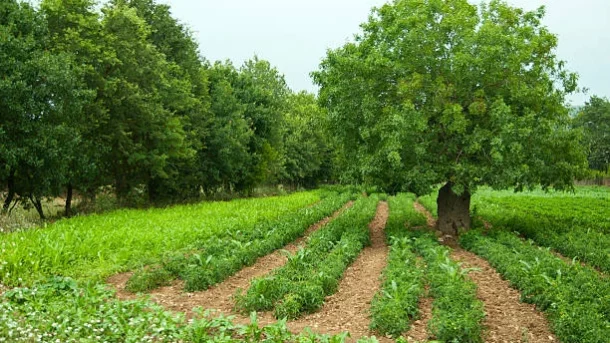
Agroforestry systems, which cultivate trees alongside agricultural crops or livestock, have several advantages for both the environment and crops. The following are some advantages of agroforestry systems:

Increased crop productivity: In agroforestry systems, trees can offer shelter, act as windbreaks, and control the microclimate, all of which promote the growth of crops. Higher yields are produced as a result of the better microenvironment, which increases agricultural productivity and lowers plant stress.

Soil fertility and conservation: Trees’ large root systems help to stabilize the soil, act as windbreaks, and reduce water runoff, all of which help to prevent soil erosion. Their organic content and fallen leaves help to promote soil fertility and the cycling of nutrients, which benefits crop growth.

Increased crop diversity introduced by agroforestry systems can increase resistance against pests, diseases, and extreme weather events. Trees can act as a barrier against climatic changes, minimizing the effects of drought or heavy rainfall on crops.

Trees in agroforestry system assist control the availability and use of water. Their root systems enhance groundwater recharge and water infiltration, lowering the possibility of crop-damaging soil moisture shortages. Additionally, trees have the ability to function as living pumps that can extract water from deeper soil layers and deliver it to crops.

 How does crop rotation improve soil fertility?

crop rotation

Crop rotation is a farming technique that entails planting several crops in an area in a planned order throughout time. Numerous advantages come from this method, including increased soil fertility. Crop rotation improves soil fertility in the following ways:

Cycling of nutrients: varied crops have varied nutrient needs and use nutrients from the soil in different ways. Through crop rotation, nutrients can be transferred across several plant types. Leguminous plants, like beans and peas, can, for instance, fix atmospheric nitrogen through symbiotic partnerships with bacteria that fix nitrogen. Legumes enhance the soil with nitrogen when they are grown in rotation with other crops, which benefits succeeding crops with higher nitrogen requirements.

Control of disease and pests: Crop rotation breaks up the life cycles of pathogens, illnesses, and pests. Numerous pests and diseases are host-specific, meaning they favor or focus on particular crops. Farmers can stop the cycle of pests and diseases that may have accumulated in the soil by rotating their crops. By suppressing soilborne illnesses through allelopathy, competition, or biological interactions, different crop species in rotation can lessen the need for chemical interventions.

Crop rotations disrupts the life cycles of weeds and lowers their population, aiding in weed management. Rotating crops with various growth habits and competitive traits helps reduce weed growth. Weed pressure varies depending on the crop. Crop rotations can also facilitate the application of particular weed control techniques, such as switching between crops.

Enhanced Soil Structure: The root structures and depths of various crops vary. Crop rotation alters root growth patterns and encourages a diversified root system, both of which contribute to improve soil structure. Compacted soil layers can be broken up, soil aeration can be improved, and water penetration can be improved by deep-rooted crops. This enhances the health of the soil overall and its ability to absorb nutrients.