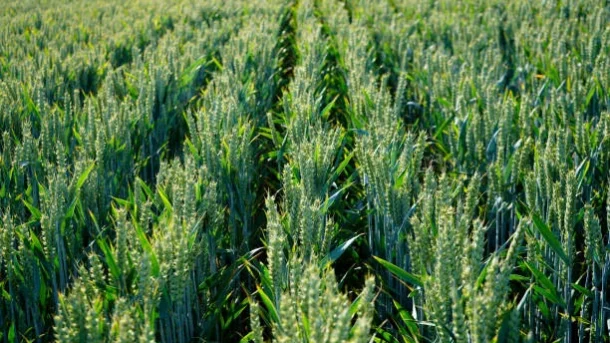
The development of disease-resistant crops has a tremendous deal of potential thanks to gene editing tools like CRISPR-Cas9. Here are some crucial elements of how gene editing can help create crops resistant to disease:
Precision targeting: Using gene editing, researchers may precisely target particular genes linked to a crop’s vulnerability to disease. It is feasible to introduce new features that confer resistance to illnesses or improve existing natural resistance mechanisms by altering these genes. Comparing this tailored approach to conventional breeding techniques, alterations are more effective and accurate.
Gene editing can hasten the creation of crops that are resistant to disease. To add characteristics for disease resistance, traditional breeding techniques frequently rely on crossing and selection over several generations. By directly altering the relevant genes, gene editing techniques can produce equivalent results in a shorter amount of time.
Increased genetic diversity: By introducing disease resistance genes from related or unrelated species, gene editing can increase the genetic variety of crops. The possibilities for discovering novel resistance features are increased by this genetic diversity, as are the alternatives for creating disease-resistant crops. Gene editing can address issues related to cultivated crops’ low genetic diversity by drawing from a larger gene pool.
Multiple infections or diseases can be simultaneously targeted by gene editing, which makes it possible to do so in crops. Broad-spectrum resistance against a variety of infections can be conferred by altering genes implicated in common disease response mechanisms. Compared to single-gene techniques, which can be vulnerable to pathogen evolution and adaptability, this strategy offers a more complete and long-lasting solution.