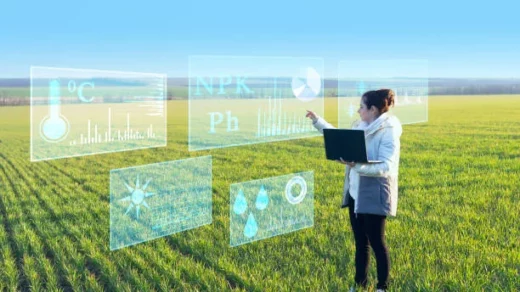
In order to gather insightful knowledge and develop more precise predictions about market trends and dynamics, big data analytics plays a critical role in agricultural market forecasting. The agricultural industry produces enormous volumes of data, including data on the weather, satellite images, soil, crop performance, market prices, and other things. In order to give useful information for decision-making in the agricultural market forecasting process, big data analytic processes and analyzes this data. The following are some crucial functions of big data analytic in predicting the agriculture market:
Data Gathering and Integration: Big data analytics gathers and combines information from a variety of sources, including Internet of Things (IoT) devices, remote sensing technologies, market databases, and governmental organizations. Using this extensive data gathering, a full understanding of the agricultural economy.
Big data analytics aids in the discovery of historical trends and patterns in agricultural market data. This data aids in both short- and long-term forecasting by offering insights into seasonality, demand patterns, and cyclical market movements.
Big data analytic can forecast future price movements of agricultural commodities by examining historical and current pricing data. Farmers, dealers, and policymakers can use these price forecasts to inform their actions.
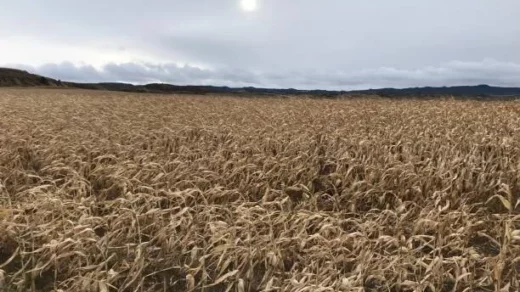
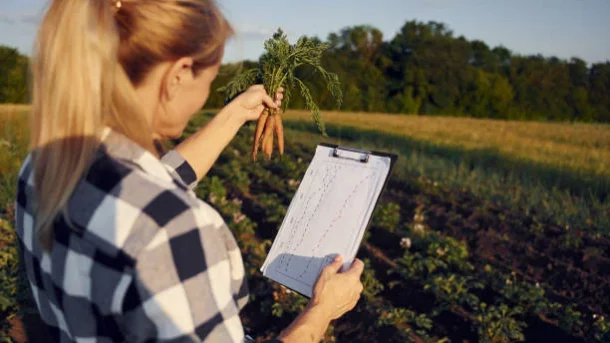
Crop Yield Estimation: Using big data analytics, crop yield estimates for various regions can be made by analyzing satellite imagery, weather data, and crop performance data. Estimating supply levels and market situations is made easier with accurate crop output estimates.
Risk evaluation: Big data analytics evaluates a range of potential hazards, including those connected to the weather, trade interruptions, and illness, that may have an effect on the agricultural market.