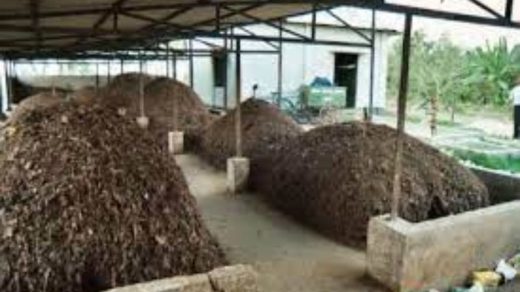
Environmental Stewardship: Sustainable agriculture places a high priority on protecting and restoring the ecosystems and natural resources that are necessary for agricultural production. It encourages techniques that reduce soil erosion, enhance soil fertility and health, safeguard water quality, safeguard water resources, protect biodiversity, and employ less chemical inputs. It promotes the use of agroecological practises that place an emphasis on utilising ecological principles and natural processes, such as organic farming, conservation agriculture, and agroforestry.
Economic Viability: The goal of sustainable agriculture is to guarantee the resilience and economic viability of farming systems. It aims to minimise production risks and reduce dependency on outside inputs while preserving or increasing farm profitability. It promotes value-added activities, diversification, and the growth of regional markets. Fair prices and equitable access are important components of sustainable agriculture.
Food Security and Safety: By providing wholesome foods in adequate numbers, sustainable agriculture aims to assure food security. It encourages resource efficiency and sustainable intensification in order to boost productivity without harming the environment. It promotes the use of agroecological and organic methods that reduce chemical inputs and improve nutritional value. Additionally, it stresses the significance of transparent labelling, food safety, and traceability.
Knowledge and Innovation: Continuous learning, innovation, and knowledge sharing are key components of sustainable agriculture. It promotes the fusion of conventional wisdom and cutting-edge scientific inquiry to produce solutions tailored to particular situations. To spread best practises and make the adoption of sustainable farming practises easier, it encourages farmer-to-farmer exchanges, participatory research, and extension services.