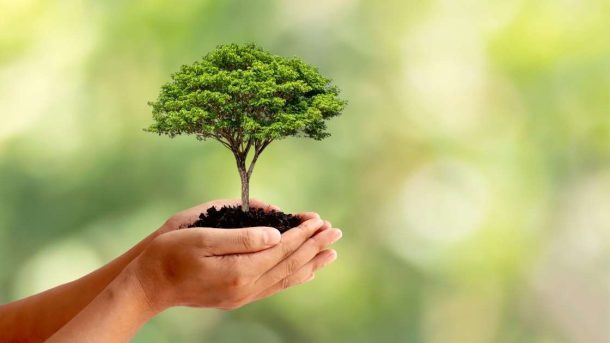
Sustainable agriculture refers to farming methods that are favorable to the environment and allow for the production of crops or livestock without causing harm to human or natural systems. It involves avoiding negative consequences for soil, water, biodiversity, nearby or downstream resources, as well as individuals working or living on the farm or in the surrounding environment. Permaculture, agroforestry, mixed farming, multiple cropping, and crop rotation are all examples of sustainable agriculture. It includes farming practices that meet society’s current food and textile needs without affecting current or future generations’ ability to meet those needs. It could be founded on a knowledge of ecological services. There are a variety of approaches that can be used to improve agriculture’s long-term viability. It is critical to build flexible business processes and farming methods while developing agriculture within sustainable food systems.
What is sustainable agriculture ?