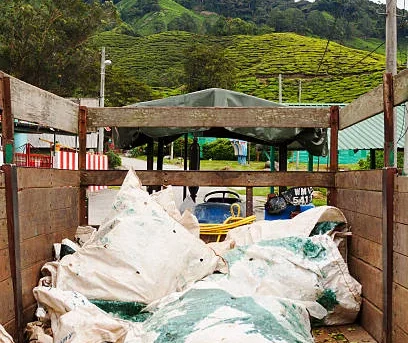
Increased post-harvest losses: Delays in moving harvested products from farms to markets or processing facilities can be caused by inadequate transportation infrastructure. This delay may cause the food to deteriorate, degrade, and cause more post-harvest losses. Without effective transportation infrastructure, perishable agricultural items including fruits, vegetables, and dairy products could not get to customers in a timely manner or at all, which would cause farmers to suffer large financial losses and decrease consumer access to nutrient-dense food.
Farmers have limited access to remote or larger markets due to inadequate transportation infrastructure. Transporting agricultural goods to metropolitan centers or export destinations can be difficult in remote or rural areas that lack suitable roads, bridges, or transportation networks. Farmers’ selling opportunities are limited due to poor market access, which frequently results in lower pricing.
Increased transportation expenses: Farmers may incur greater transportation costs as a result of inefficient transportation infrastructure. Poor road conditions, insufficient storage choices, or a lack of options for chilled transport may demand more packaging, longer routes, or more handling requirements, all of which add to the cost of transportation. Farmers find it challenging to compete in both home and foreign markets as a result of these added expenses that lower their profitability and competitiveness.
Market inefficiencies and price discrepancies: These issues might be brought on by inadequate distribution and transportation infrastructure. Agricultural products might not get to markets where they are needed if a transportation network is not well-connected and effective, which could result in regional supply and demand mismatches. This may result in pricing differences across various regions, providing traders with possibilities for arbitrage while adversely influencing